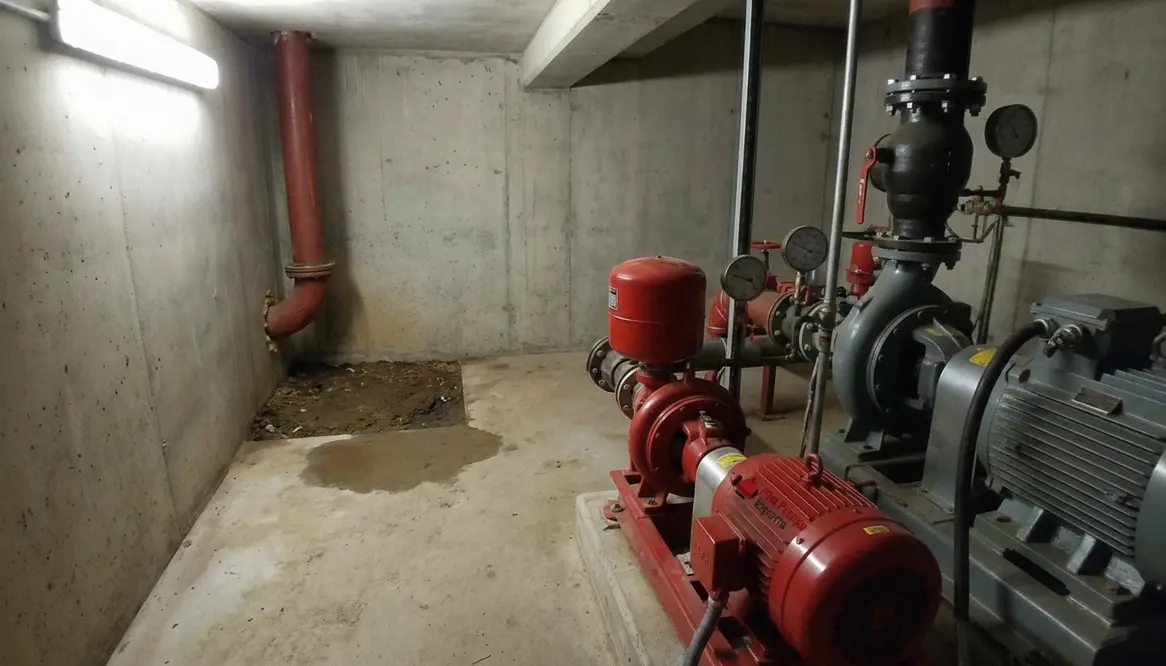
Underground Fire Line Leak Triggers Jockey Pump Cycling
Can Underground Fire Line Leakage Cause Jockey Pump Cycling?
I have seen this problem more than once in commercial and industrial fire protection systems. A small underground fire line leak can seem harmless at first, but it may trigger jockey pump cycling, create false alarms, and waste energy like a building running a treadmill for no reason. In many cases, the system keeps chasing pressure that never fully stabilizes because a hidden fire sprinkler leak or underground break keeps bleeding off water. So yes, the answer is often yes. If the pressure drops, the jockey pump starts doing its little backstage performance, trying to restore balance while the real problem stays buried out of sight.
For commercial and industrial facilities, this matters because repeated cycling can wear out equipment, hide bigger water loss, and make it harder to trust the fire pump system when it counts.
What I Look For When Jockey Pump Cycling Starts
When I investigate jockey pump cycling, I start with the pressure pattern. If the pump starts, stops, then starts again within a short span, I know the system is not holding pressure the way it should. Usually, that points to a leak, a faulty pressure switch, a bad check valve, or a slow loss in the line. However, an underground fire line leak often rises to the top of the list because it can drain pressure without leaving a puddle where anyone can see it. That part is rude, frankly.
I also check whether the issue affects only the fire protection system or whether the main supply shows pressure loss too. If the drop happens across the entire system, the leak may sit underground, inside buried piping, or in a valve chamber. On the other hand, if the pressure loss stays near the fire pump room, the problem may live in the aboveground side of the system.
Common signs I watch for:
- Frequent short pump runs
- Pressure that falls even when no water use occurs
- Wet soil, sink spots, or unexpected ground settling
- Unstable gauge readings
- More than one pressure recovery cycle in a short time
How An Underground Fire Line Leak Changes System Pressure
An underground fire line leak does more than waste water. It creates a constant pressure loss that the jockey pump tries to replace. Because the pump is designed to keep system pressure steady, it may cycle over and over as it tries to fill that gap. In a large facility, even a small leak can cause this issue because the piping network holds a lot of water and pressure must stay within a narrow range.
Here is the simple version. If water escapes underground, pressure falls. Then the jockey pump kicks on. Once pressure rises again, the pump shuts off. But if the leak keeps bleeding pressure, the cycle repeats. This is why a hidden leak can look like a control problem when, in truth, the piping itself is the problem. The system is not confused. It is just being asked to fix a hole in the road while cars keep driving through it.
In some cases, the leak may be slow enough that the system does not lose prime or fail outright. Even then, repeated cycling still creates wear on motors, switches, and seals. Over time, that adds up.
My Step By Step Check For The Real Cause
When I trace the source, I follow a simple path. First, I confirm the pressure settings and compare them with the pump start and stop points. Next, I inspect valves, gauges, and check valves for seepage or poor sealing. After that, I look for signs of an underground fire line leak by isolating sections of the system when possible. This step often tells the story fast.
For larger commercial and industrial sites, I also review recent water bills, maintenance notes, and alarm history. A sudden rise in water use or repeated low pressure events often points to a buried leak. If the site has an older system, corrosion, pipe movement, or ground settling may also play a role. Think of it like a detective show, except the suspect is a pipe and nobody gets a cool soundtrack.
Possible cause
Pressure switch drift
Bad check valve
Underground leak
Fire sprinkler leak
What it usually means
Pump starts too early or too late
Pressure falls back into the system
Ongoing pressure loss with no visible water indoors
Local pressure drop near a branch line or fitting
After that, I test the system again under controlled conditions. If the pump still cycles with no internal fault found, the buried line becomes the prime suspect.
How I Reduce Recurring Pump Starts
Once I confirm the source, I focus on correction and prevention. If the leak sits underground, I recommend repair as soon as possible because delay only increases water loss and pump wear. If the problem comes from a valve or pressure setting, I reset or replace the part and retest the system. I also suggest regular inspection intervals for major properties, since these systems protect expensive assets and busy operations.
For facilities that need dependable fire protection support, I often point teams to los angeles fire pump services and to related resources such as fire sprinkler service support for commercial systems. I also recommend coordination with electrical service partners like commercial electrical support when control issues or power concerns affect pump performance. These systems work best when every part gets the same level of care. That is the unglamorous truth, but in fire protection, boring is beautiful.
FAQ
Conclusion
If I see repeated jockey pump cycling, I treat it as a warning, not a nuisance. A hidden underground fire line leak can drain pressure, strain equipment, and hide a larger problem inside a commercial or industrial fire system. So I act fast, test carefully, and repair the cause before it grows teeth. If your facility shows these signs, now is the right time to inspect the system, confirm the source, and protect the building with confidence.