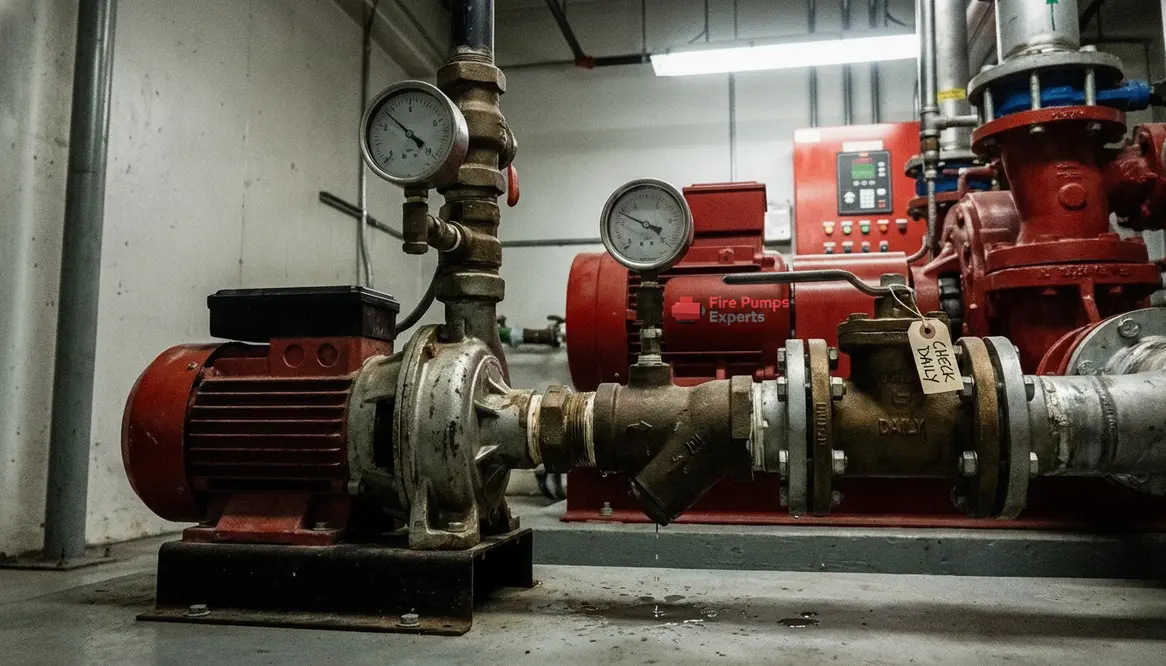
Why Jockey Pump Overheats and How to Fix It
Why Jockey Pump Overheats and How to Fix It
I see this problem more often than people think, and it usually starts small. A jockey pump overheating is not just a warm motor doing its job. It often points to jockey pump problems that can grow into bigger trouble if nobody checks them. In fire protection systems for commercial and industrial buildings, that matters a great deal. Good jockey pump maintenance keeps pressure steady, protects the main fire pump, and helps the whole system stay ready when it counts. And yes, a pump can run hot for reasons as simple as a bad setting or as serious as poor water flow. It is not exactly the sort of drama anyone wants in a fire room.
For facilities that depend on reliable fire protection, I always look at the same question first: what made the pump work so hard in the first place? Once I answer that, the path forward gets much clearer.
What makes a jockey pump run too hot?
The short answer is this: heat builds when the pump runs longer or harder than it should. A jockey pump only needs to maintain system pressure, not act like the hero in an action movie. When it cycles too often, runs against a closed discharge, or fights against bad controls, the motor and pump casing heat up fast.
Common causes include:
Poor pressure switch settings that force constant cycling
Leakage in the fire protection system that keeps dropping pressure
A failing motor bearing that creates extra friction
Blockage in the suction or discharge line
Incorrect pump size for the building’s demand
In large commercial and industrial facilities, I also see heat rise when the system has been ignored for too long. A small leak in a sprinkler line may not look dramatic, but the pump will notice. It always notices.
How jockey pump problems start with pressure loss
Pressure loss is often the real troublemaker. The pump turns on to restore pressure, then shuts off, then starts again. That starts a loop. Over time, the repeated starts create stress, raise temperature, and wear down the motor. So, while the overheated pump looks like the main issue, I often find the root cause sitting elsewhere in the system.
Here is where a careful inspection pays off. I check for small leaks, faulty check valves, worn seals, and air in the line. I also look at the pressure settings. If the pump cuts in and out too fast, it works like a runner forced to sprint every minute of the day. Even a tough machine has limits. Unlike some office workers, it cannot survive on coffee alone.
Why poor installation can lead to overheating
Installation problems can create heat from day one. If the pump sits in a tight space with weak airflow, the motor cannot shed heat well. If the suction line has poor alignment, the pump may strain under load. And if the electrical supply does not match the motor needs, the unit may pull too much current and run hotter than safe.
In many fire pump rooms, I also see a mismatch between the pump and the site. A jockey pump must fit the pressure needs of the building. If the system design misses the mark, the pump will run more than it should. That kind of mistake may look small on paper, but in the real world it can turn into a steady source of heat, wear, and noise. No one wants a pump room that sounds like a remix of a blender and a jet engine.
Jockey pump maintenance checks I always recommend
Mechanical checks
Listen for bearing noise
Check for seal wear
Inspect for vibration
Confirm free rotation
System checks
Verify pressure settings
Look for hidden leaks
Test valve position
Review motor current draw
These checks matter because small defects add up. A bearing that feels a little rough today can create enough friction to overheat the motor next month. Likewise, a pressure switch that seems “close enough” can trigger endless starts. Close enough, in fire protection, is not the same as safe enough.
When I know the pump needs expert repair
If the pump stays hot after basic checks, I stop guessing and bring in a qualified fire pump specialist. That step matters most in commercial and industrial facilities where downtime and risk both carry a high cost. I also move fast if I see burnt wiring, repeated breaker trips, smoke, strong vibration, or a motor that shuts down on thermal overload.
At that stage, I want a full review of the pump, controls, and connected fire system. Services tied to Los Angeles fire pump solutions can help facilities keep the system reliable and aligned with code needs. For broader electrical support, I also look to commercial electrical services, since bad power supply can feed the problem. And when a site needs full fire system support, fire sprinkler system services can be part of the larger fix.
Frequently asked questions
Conclusion
If I want a jockey pump to stay cool and dependable, I have to respect the basics: proper setup, steady pressure, clean power, and regular inspection. Overheating rarely appears without warning. It grows from small faults that hide in plain sight. So if your fire protection system serves a commercial or industrial building, act early, check the pressure, and fix the cause before the pump cooks itself like a bad day in a frying pan. That is how I protect uptime, safety, and peace of mind.