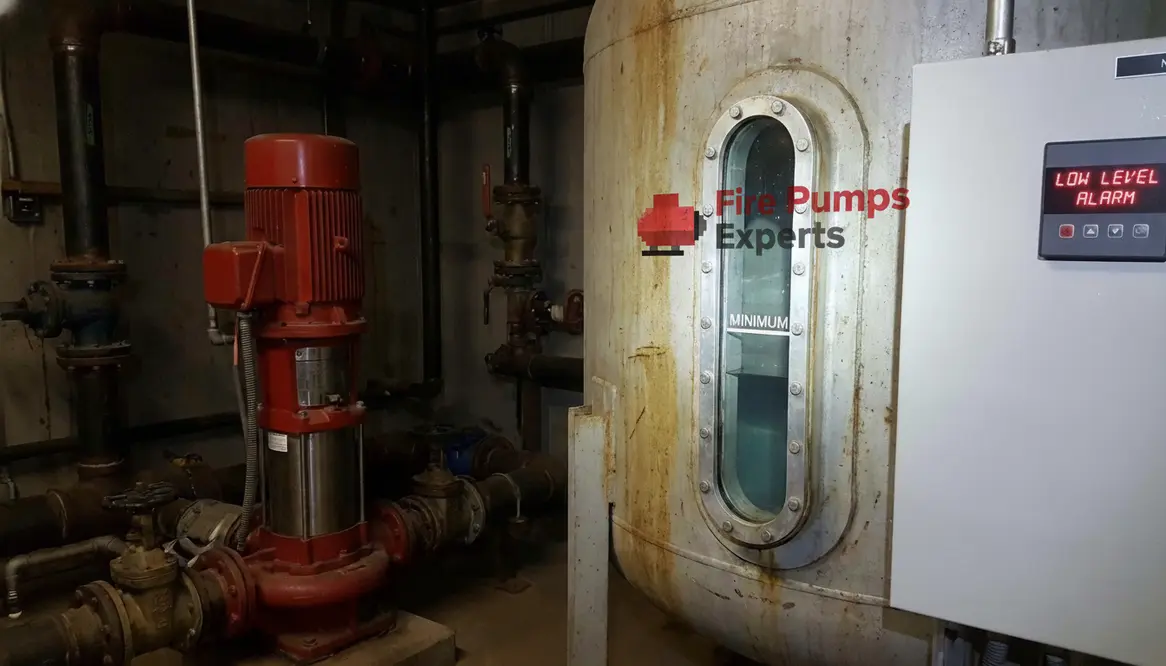
Low Water Levels Impact Vertical Turbine Fire Pump
When I look at a vertical turbine fire pump in a commercial tower, a hospital, or a major industrial plant, I think about one thing first: water. Not drama, not branding, just water. And when the fire pump water level drops too low, the whole system starts to act like it drank bad coffee. A vertical turbine pump depends on steady intake conditions, so low water can shake performance, raise risk, and make a fire protection system far less reliable than it should be.
In this article, I explain how low water levels affect pump operation, what warning signs I watch for, and what facilities can do to stay ready. I also keep the focus where it belongs, on commercial and industrial properties and large buildings that cannot afford guesswork when fire protection is on the line.
What low water does to pump performance
Low water levels reduce the amount of water the pump can draw in, and that creates immediate trouble. First, the pump may pull in air along with water. Then the flow becomes unstable, and pressure can drop. That matters because fire systems need strong, steady delivery when the alarm sounds. A vertical turbine fire pump does not like starving for water, and frankly, neither do I after a long meeting.
When the water drops below the proper intake point, the pump can lose prime more easily, even if the design is usually strong enough to avoid that in normal conditions. As a result, the system may run hotter, vibrate more, and wear out faster. In plain terms, low water turns a dependable machine into a worried one.
Why I watch the fire pump water level closely
I never treat the fire pump water level as a small detail. In my experience, it acts like the pulse of the whole system. If the level falls too far, the pump may still start, but it may not deliver the flow needed to protect the site. That becomes a serious issue in facilities with tall risers, large storage areas, fuel systems, or high fire loads.
Here is how I break down the main effects:
- Reduced suction can limit flow and lower discharge pressure.
- Air intake can create unstable operation and noisy running.
- Extra vibration can damage bearings, shafts, and seals.
- Heat buildup can increase wear and shorten service life.
- Poor reliability can make the system less ready for a real fire event.
And yes, the pump may sound fine right up until it does not. That is the problem. Fire systems rarely get dramatic warning music like a movie villain. They just fail quietly if nobody checks the basics.
How I spot warning signs before trouble grows
I look for changes in pressure, sound, and vibration first. If a vertical turbine pump begins to sound uneven, I pay attention. If the discharge pressure drops during testing, I dig deeper. Also, if the pump seems to cycle differently than usual, that can point to low supply conditions or intake trouble.
Water level alarms, float devices, and remote monitoring tools help a lot here. However, I never rely on one signal alone. Instead, I compare readings over time. A small drop today may not mean disaster, but a steady decline often points to a supply issue, tank problem, or intake restriction. That is where real maintenance work begins, not wishful thinking.
What I recommend for large buildings and plant sites
For commercial and industrial facilities, I always recommend a simple rule: protect the water source as carefully as the pump itself. That means regular checks, clear records, and fast action when levels change. In many plants and high rise sites, water storage supports more than one fire protection need, so a drop can create a chain reaction nobody wants.
Here is the practical side of it:
Daily or routine checks help catch level changes early. Seasonal testing helps confirm performance under different conditions. Maintenance on intake screens, valves, and controls helps keep water moving as it should. And if a site uses a tank or reservoir, I always want to see a plan for refill, inspection, and alarm response.
Quick comparison of the risk chain
Low water: intake gets weak and unstable
Pump response: more vibration and less flow
System effect: lower fire protection confidence
Facility result: higher risk during an emergency
That is why I like to tie inspection work to the full fire protection picture, not just the pump skid. If you want more support for large facility systems, I suggest reviewing los angeles fire pump solutions and the broader electrical support for critical systems. For sites that also need sprinkler coordination, the fire sprinkler service overview is a useful reference point.
How I protect reliability before an emergency
I build reliability by treating low water as a system problem, not just a tank problem. First, I confirm that the water source can support the pump demand. Next, I check controls, alarms, and intake hardware. Then I verify that staff know what to do if the level starts to fall. That kind of planning may not sound glamorous, but neither does a fire loss, and one of those is far more expensive.
Finally, I recommend a documented inspection routine for the pump, tank, and related fire protection gear. When a site stays ahead of level issues, the pump stays ready, the pressure stays steadier, and the building stays in a much better place.
FAQ
Low water can turn a strong fire protection system into a weak one faster than most people expect. So I always advise commercial and industrial property teams to check water levels, test the pump, and fix supply issues before they grow teeth. If your building depends on a vertical turbine fire pump, do not wait for a problem to announce itself. Review your system now, schedule a proper inspection, and keep your site ready for the moment that truly matters.