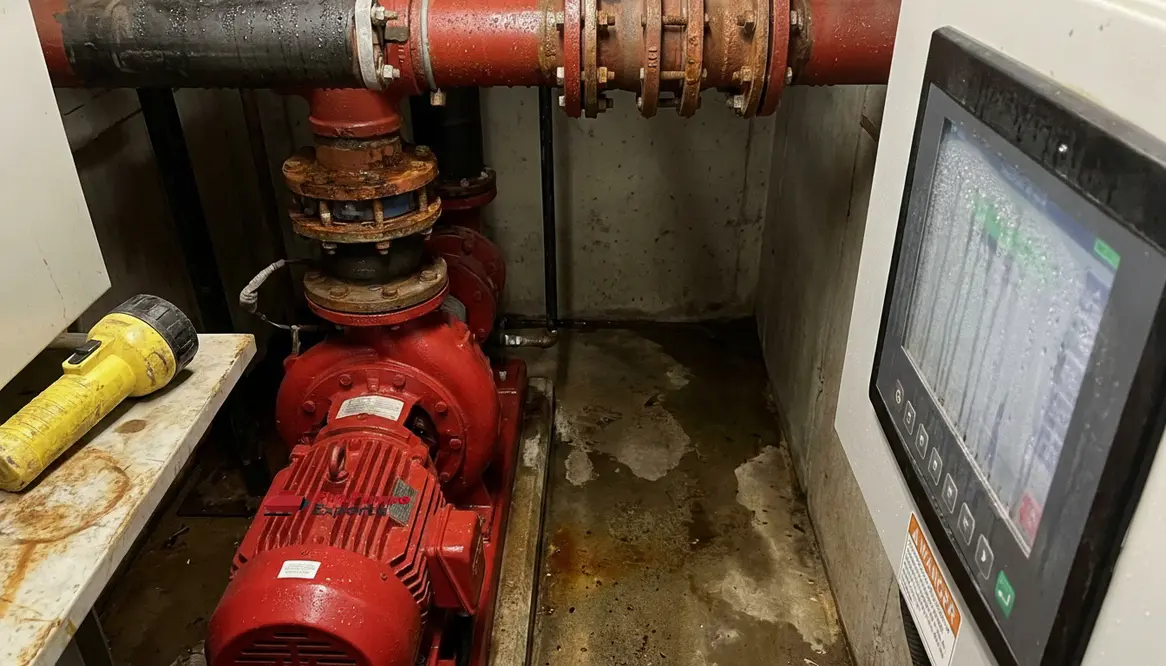
Humidity Damages Fire Pump Equipment in Pump Rooms
How High Humidity Can Damage Fire Pump Equipment
I have seen a lot of fire pump rooms in my time, and let me tell you, humidity is the quiet troublemaker nobody invites to the party. At first, it looks harmless. Then it starts messing with fire pump maintenance, stirring up fire pump controller problems, and making pump room requirements feel less like a checklist and more like a warning label. For commercial and industrial facilities, and for major property buildings, this matters a great deal. High moisture does not just make the room feel heavy. It can slowly wear down parts, shorten equipment life, and turn a solid system into a costly headache.
In this article, I will break down what humidity does, how it damages key parts, and what I would watch first if I were standing inside that pump room with a flashlight and a mild sense of dread.
Why humidity causes trouble in fire pump rooms
Humidity becomes a problem when moist air settles on metal, wiring, and control gear. Once that happens, corrosion begins to work like a patient villain in a movie. It does not rush. It waits. Then it attacks bearings, fasteners, panel parts, and exposed connections. In a humid room, even small temperature swings can cause condensation, and that moisture can gather on surfaces before anyone notices.
That is why pump room requirements matter so much. Good ventilation, proper temperature control, and dry conditions do more than check a box. They protect expensive equipment that must work when a building depends on it. I have also found that poor air flow can trap heat and moisture together, which is a bad combo. Think of it as the room trying to become a sauna, except nobody asked for spa service.
How high humidity damages equipment parts
High humidity can affect many parts of a fire pump system at once. First, it can corrode metal surfaces. Rust may start on bolts, couplings, or frame parts, and then spread where water sits too long. Second, it can damage electrical parts. Moist air can lead to weak insulation, short circuits, or false readings in sensors. Third, it can ruin lubricants. When moisture gets into bearings or moving parts, grease can break down faster, and friction rises.
Here is the part many teams miss. Humidity does not need to flood a room to do harm. It only needs enough moisture to settle again and again. Over time, the damage adds up like a bad credit card bill. Small problems become expensive repairs, and repairs become downtime, which nobody wants during an emergency.
Fire pump controller problems I watch for
Fire pump controllers take a hard hit in humid spaces. I look for condensation inside the panel, rust on terminals, and moisture around seals or door edges. If water vapor enters the controller, it can cause alarms, weak connections, and strange behavior during startup. In some cases, the system may even show signals that look normal while hidden damage keeps building.
That is where fire pump controller problems become serious. A controller should respond fast and clearly. However, humidity can make it hesitate, misread, or fail at the worst moment. I also pay close attention to wiring because damp conditions can loosen performance over time. When a control panel starts acting moody, I do not blame the panel. I blame the room.
What I check during fire pump maintenance
During fire pump maintenance, I focus on the parts most likely to suffer from moisture. I inspect the enclosure, check for rust spots, and look for water stains on walls, floors, and equipment. I also test for proper airflow because stagnant air often means more condensation risk. Next, I inspect electrical connections and look for any sign of corrosion, discoloration, or cracking.
Then I check seals, gaskets, and cabinet closures. A small gap can invite damp air inside, and once that starts, the equipment pays the price. I also watch the pump itself for surface rust, worn hardware, and bearing issues. The goal is simple. Stop moisture damage before it starts acting like a full time employee.
How I protect large facilities from humidity damage
For commercial and industrial facilities, I always recommend a layered approach. First, control the room climate as much as possible. Use ventilation, dehumidification, or HVAC support when the building design allows it. Second, keep the area clean and dry. Water leaks, wet floors, and blocked vents all raise the risk. Third, inspect the system on a steady schedule so small signs do not turn into major damage.
When a facility follows strong pump room requirements, the system usually performs better and lasts longer. I also suggest reviewing related fire and electrical support services. For broader protection planning, a helpful starting point is https://kordfire.com.au/australian-fire-sprinkler-services/. If you want to explore equipment needs in more detail, local planning can also benefit from reviewing https://kordfire.com/fire-pump/.
Quick signs humidity is already causing damage
Visible rust
I see it on bolts, frames, or cabinet parts.
Condensation
Water forms inside panels or on cool surfaces.
Stiff parts
Bearings or moving pieces start to drag.
Electrical faults
The controller gives odd readings or false alarms.
Musty smell
The room holds damp air for too long.
Paint damage
Coatings peel, bubble, or flake near metal.
FAQ
Conclusion
High humidity may look harmless, but it can quietly wear down critical fire pump equipment in commercial and industrial buildings. I always treat moisture control as part of smart protection, not an extra. If you manage a major property, now is the time to inspect your room, review your systems, and tighten your maintenance plan. Do not wait for rust, failure, or a surprise controller issue to make the first move. Take action now, and keep your fire pump system ready when it matters most.