Dust and Debris in Fire Pump Rooms: Maintenance Matter
A quiet fire pump room can still be quietly dangerous. Dust and debris work in the background, chipping away at performance, slowing response, and weakening industrial fire protection long before anyone notices.
Why Dust and Debris Inside a Fire Pump Room Matter
I have seen it too many times. A fire pump room looks quiet, clean enough at first glance, and everyone assumes it will stay that way. Yet dust and debris can quietly damage performance, slow response time, and create trouble when a real emergency hits. For commercial and industrial sites, that risk is not small. It sits right inside the heart of fire pump room requirements, affects fire pump maintenance, and can weaken industrial fire protection before anyone notices. In other words, the room may look boring, but it is never harmless. And yes, dust does not care about your schedule, your budget, or your “we will get to it next quarter” plan.
How Dust and Debris Hurt Fire Pump Performance
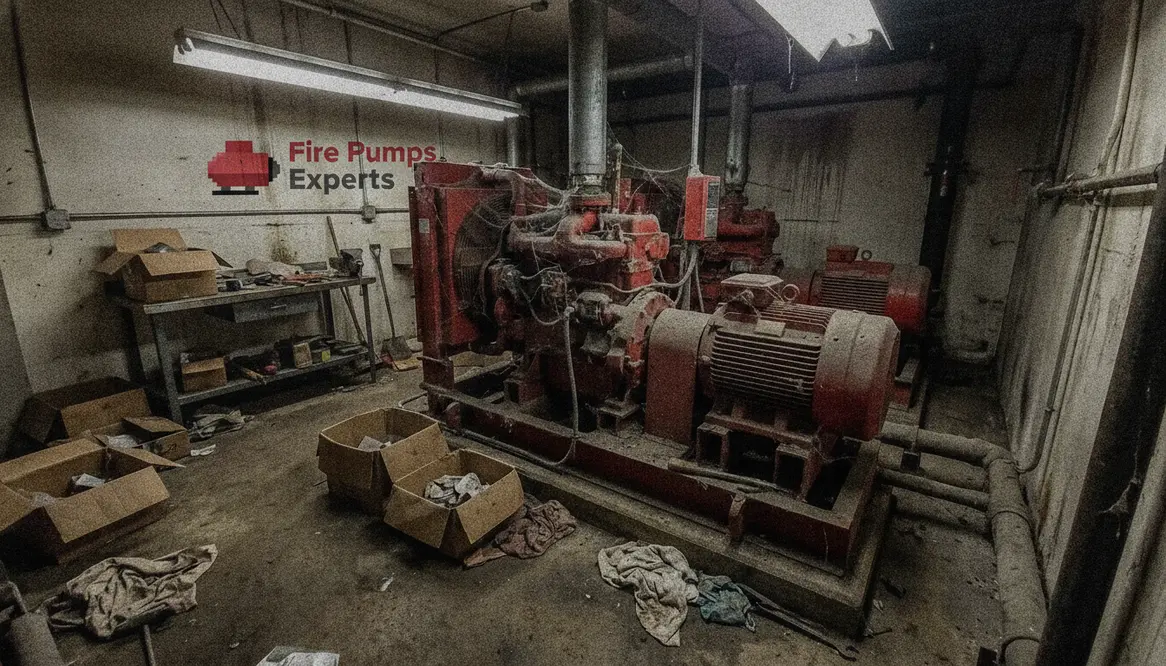
I like to think of a fire pump room as the backstage crew at a big concert. Nobody cheers for it, but if it fails, the show stops. Dust builds on motors, controls, vents, and panels. Then debris clogs floor drains, blocks airflow, and can even create unsafe walking paths. As a result, heat builds faster, parts wear down sooner, and the pump may not perform as designed.
Here is the real issue. Fire pumps must work fast and with steady power. If dirt gets into moving parts or electrical spaces, I see a higher chance of short cycles, poor cooling, and damage that starts small but grows fast. That is why clean rooms are not just nice to have. They are part of the system.
What I Look For During a Fire Pump Room Inspection
When I inspect a pump room, I focus on the small things first, because the small things often cause the big things. A thin layer of dust may look harmless, but it can point to weak housekeeping, poor sealing, or bad airflow. Debris around the pump base can hide leaks. Loose cardboard, tools, or old packaging can also block access when someone needs to reach the equipment in a hurry. And in a real event, nobody wants to trip over a box while trying to protect a building the size of a small kingdom.
Common problem table: quick checks that matter
| Common problem | Why it matters |
|---|---|
| Dust on control panels | It can affect switches and alarms |
| Debris near vents | It can reduce cooling and raise heat |
| Clutter around the pump | It slows access during service or emergencies |
| Moist dirt on the floor | It can create slip hazards and hide leaks |
Fire Pump Maintenance and Housekeeping That Actually Protects the System
Good fire pump maintenance always includes room care. I do not treat cleaning like a side task. I treat it like part of the protection plan. First, I keep the room dry and free of loose material. Next, I make sure only approved items stay inside the space. Then I check for signs of dust entry from doors, vents, or nearby construction work. That matters a lot in commercial buildings where traffic never really stops.
To keep the room ready, I recommend simple habits:
- Remove dust from floors, panels, and exposed surfaces on a regular schedule
- Keep storage out of the fire pump room unless the design allows it
- Check seals and doors so outside dirt does not enter easily
- Inspect vents and drains so air and water move as they should
- Record every issue so small problems do not hide for months
That is where discipline beats drama. A clean room may not make headlines, but it helps the system stay ready when it counts.
Why Industrial Fire Protection Depends on a Clean Room
In large plants, warehouses, hospitals, and major property buildings, industrial fire protection depends on reliable water delivery. A fire pump room supports that delivery, and dust can interrupt the chain. If the room overheats, if controls fail, or if access gets blocked, the whole protection plan weakens. That risk grows when buildings run heavy equipment, load docks, or ongoing repairs that stir up dust all day long.
Also, many facilities pair the pump room with related systems, so room care supports more than one layer of defense. For example, teams that manage broader building safety often review commercial electrical services alongside pump room power checks. Likewise, facilities that need added water system support may review sprinkler service solutions as part of a wider safety plan. And for those comparing pump support options, I also point to los angeles fire pump services when they want a local reference for commercial and industrial sites.
FAQ
Final Thoughts and Next Step
I always tell facility teams the same thing: do not wait for a problem to expose a dusty room. Cleanliness in a fire pump room protects performance, supports compliance, and helps your building stay ready. If you manage a commercial or industrial property, now is the time to review your room conditions, tighten your maintenance plan, and correct hidden issues before they grow teeth. I can help you think through the next step and build a stronger protection plan today.
For many teams, the best upgrade is consistency: treat fire pump maintenance as routine, protect your fire pump room requirements with clean boundaries, and strengthen industrial fire protection by keeping the system accessible and ready—every time, not just when a checklist gets noticed.