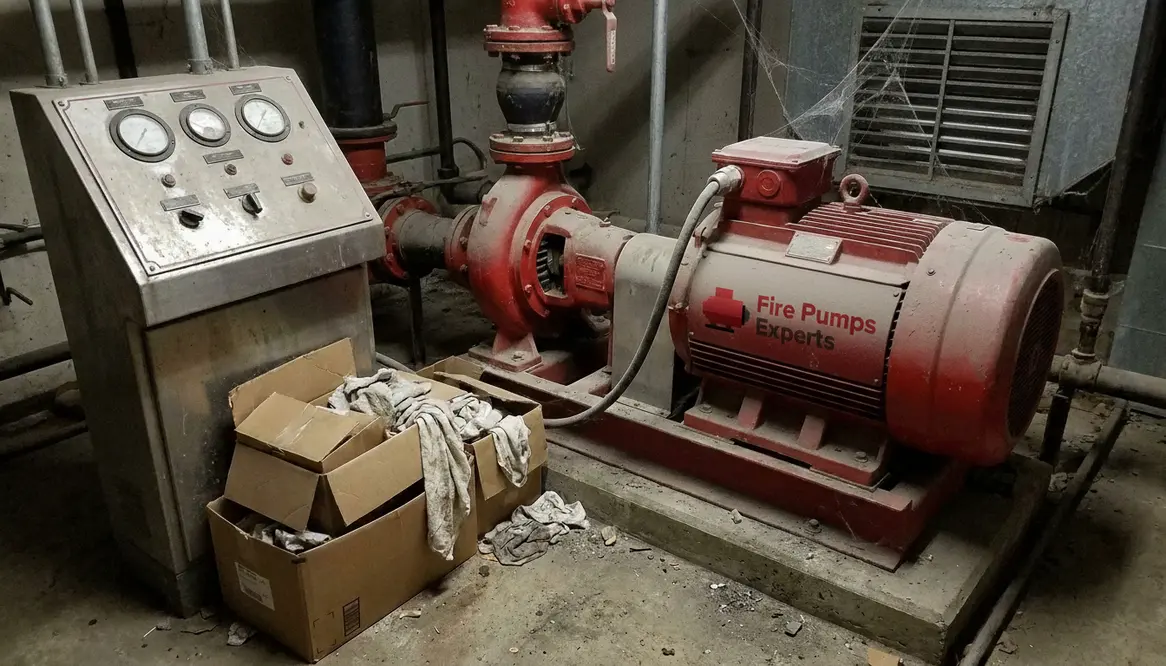
Dust and Debris in Fire Pump Rooms Maintenance
When I walk into a fire pump room, I look at the floor first. Then I look up. Dust on the equipment, debris near the base, and old clutter in the corners tell me more than a badge on the door ever could. In fire pump room requirements, fire pump maintenance, and industrial fire protection, the small stuff matters because small problems like to grow teeth. And in commercial and industrial buildings, that is not a cute surprise. It is a risk. So let me show you why dust and debris inside a fire pump room deserve real attention, not a shrug and a coffee break.
For reference, I also keep an eye on trusted industry resources like los angeles fire pump services, along with related guidance from fire pump systems support and electrical system services. For facilities that need broader coverage, Australian fire sprinkler services can also help connect the dots across building protection needs.
Why dust inside a fire pump room matters
I do not treat dust like harmless fluff. It settles on motors, panels, couplings, vents, and sensors, and then it starts working like a quiet troublemaker. First, dust blocks airflow. Next, it helps parts run hotter than they should. After that, you get wear, noise, and possible failure when the system must perform at full force. That is the kind of timing nobody enjoys, especially not during a real emergency.
In industrial fire protection, equipment must stay ready at all times. A fire pump room often supports large commercial sites, warehouses, plants, and major buildings. If the room fills with dust, the pump room loses part of its clean, controlled environment. And once that starts, the system can drift away from the fire pump room requirements that keep it dependable.
What debris does to fire pump room equipment
Debris causes more than a mess. It creates a chain reaction. Loose packing material can block access paths. Small bits of metal or concrete dust can get into moving parts. Cardboard, rags, and stored items can also invite pests, and pests are never invited to anything good. They just show up, like a sequel nobody asked for.
Here is what I watch for:
Dust on control panels that can affect visibility and heat release
Debris near vents that can restrict cooling air
Trash or loose parts that can hide leaks or damage
Clutter that slows down access during testing or repair
Because fire pump maintenance depends on fast checks and clear access, even a few extra boxes can waste time. And in a fire event, time is the one thing that never waits.
How I keep the room ready for a real emergency
I keep the room clean, simple, and easy to inspect. That means I remove anything that does not belong there, and I make sure the floor stays clear. I also check for fine dust near electrical parts, because that is where small problems can become expensive ones. The room should feel more like a control space and less like the back corner of a storage closet.
Here is the simple routine I follow:
Inspect the room weekly for dust buildup and debris
Clean the floor and exposed surfaces on a set schedule
Keep storage out of the fire pump room unless it belongs there by code and design
Check that access to panels, gauges, and valves stays open
Record anything unusual during inspections
This is not just housekeeping. It is part of system readiness. When I stay ahead of mess, I stay ahead of risk.
What building teams should check during inspections
Quick checks for a cleaner, safer pump room
Below is a simple two column view that I use to keep inspection work clear and fast.
Area
Floor
Panels
Vents
Pump base
Access routes
What I look for
Clear of dust, trash, and stored items
Free of buildup and easy to read
Not blocked by debris
No signs of dirt cover, rust, or leaks
Open and easy to move through
This kind of review supports industrial fire protection because it protects the equipment that protects the building. It also makes fire pump maintenance easier, faster, and more accurate. I have seen clean rooms make inspections smoother, and I have seen dirty rooms hide problems until they turn into costly repairs. The choice is not mysterious. It is just a matter of discipline.
Why small messes become big costs
A little dust looks harmless until it lands in the wrong place. Then a motor works harder. Then heat climbs. Then a part wears out too soon. Then the facility faces downtime, repair cost, or both. That is how a tiny problem puts on a suit and starts charging rent.
For large commercial and industrial properties, downtime can hit hard. Production slows. Operations shift. Safety teams get pulled into emergency work. So when I think about fire pump room requirements, I think beyond code. I think about uptime, reliability, and the people who depend on the system doing its job without drama.
FAQ
When I want a fire pump room to work under pressure, I treat cleanliness as part of the protection plan, not an afterthought. If you manage a commercial or industrial facility, now is the time to review your room, clear the debris, and tighten your inspection routine. Keep the space ready, keep the system ready, and keep your building ready. That is how I would do it, and that is how I recommend you do it too.