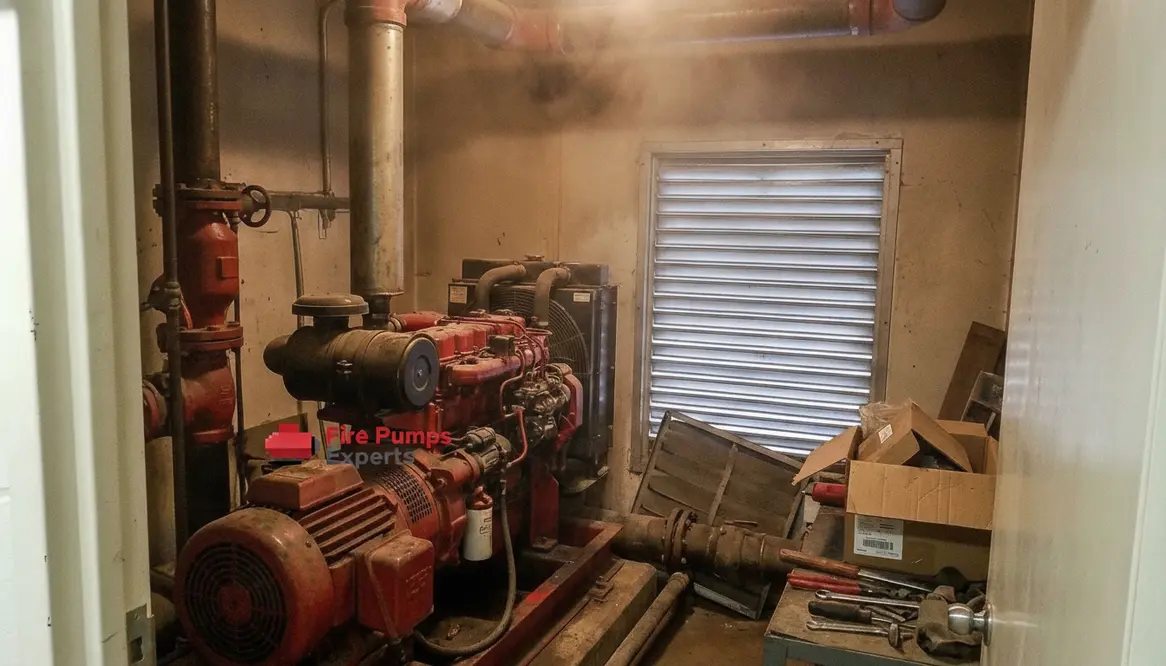
Poor Fire Pump Room Ventilation Impacts Diesel Equipment
How Poor Fire Pump Room Ventilation Affects Diesel Equipment
I have seen a lot of mechanical rooms, and let me tell you, fire pump room ventilation is one of those things people ignore until the diesel fire pump starts acting like it missed its morning coffee. In commercial and industrial buildings, the room must stay cool, clear, and ready. Otherwise, the diesel fire pump works harder, runs hotter, and ages faster than it should. That is not just a comfort issue. It ties directly to fire pump room requirements and to the life of the equipment that protects major properties when seconds matter.
When ventilation falls short, heat builds up, exhaust lingers, and fuel systems suffer. So, if you manage a plant, tower, warehouse, or other large facility, this is not a side note. It is the kind of detail that keeps a fire protection system from becoming a very expensive paperweight.
Why room airflow matters for diesel equipment
A diesel fire pump creates heat every time it runs. It also needs clean air for combustion and proper room conditions to stay reliable. When I look at a pump room, I do not just ask whether the equipment is there. I ask whether the room can breathe. If it cannot, the engine pulls in warm air, which reduces efficiency. Then the exhaust has nowhere to go, so heat stays trapped. That is how small design flaws turn into big repair bills.
Good airflow supports starting, running, and cooling. Poor airflow does the opposite. It can cause hard starts, weak performance, and faster wear on belts, batteries, hoses, seals, and controls. In other words, the room slowly turns into a sauna, and the diesel fire pump is the poor soul stuck inside it.
What happens when the pump room overheats
Heat is the main enemy here. Once the room temperature climbs, the engine loses the stable conditions it needs. As a result, metal parts expand, oil breaks down faster, and electrical parts age sooner. I have seen batteries lose life simply because the room stayed too hot for too long. That is a painful lesson, especially when the system is supposed to be ready for a building emergency.
At the same time, overheating can trigger alarms, shutdowns, or service calls that should never have been needed. And yes, the engine may still run, but still running is not the same as ready to protect a high value facility. That is a very important difference.
Diesel fire pump problems I watch for
Here is a simple view of the trouble signs I check first:
| Common symptom | What it often means |
|---|---|
| High room heat | Not enough fresh air or exhaust relief |
| Hard engine starts | Hot air, weak batteries, or poor combustion air |
| Frequent alarms | Controls or sensors reacting to high temperatures |
| Fuel or oil issues | Heat stress on fluids and seals |
| Short component life | The room conditions are wearing the system down |
These issues rarely show up alone. Instead, one problem feeds the next. Poor ventilation raises heat, heat hurts components, and then the equipment becomes less dependable. It is a chain reaction, and nobody wants that chain in a fire pump room.
How I check fire pump room requirements
When I review fire pump room requirements, I start with the basics: room size, heat removal, fresh air supply, and exhaust routing. The room must support the diesel fire pump during normal standby and during a full test run. That means I look for a path for cool air to enter and hot air to leave without fighting each other like two action movie rivals who both want the last helicopter out.
I also check whether the room layout blocks airflow. Walls, grilles, louvers, ducts, and nearby gear can reduce performance if they sit in the wrong place. Therefore, good design is not only about adding vents. It is about placing them where the system can actually use them.
What poor fire pump room ventilation does over time
Poor fire pump room ventilation does more than raise the temperature for one afternoon. Over months and years, it shortens service life. Batteries lose strength faster. Electronics become less stable. Oil ages quicker. Seals dry out. Then maintenance costs rise, and the system may fail earlier than expected.
Also, poor ventilation can make inspections harder. If the room stays too hot or stuffy, technicians may need extra time to work safely and accurately. That slows down testing and raises the chance of missed warning signs. In a large commercial site, that kind of delay is not charming. It is costly.
What I recommend for better performance
I always advise building owners and facility teams to treat the pump room like a living part of the fire protection system. It needs regular review, not a once in a decade glance and a shrug. Make sure the room can move enough air for the diesel engine load, and confirm that heat does not build up during long test cycles.
In addition, keep the room clean and clear. Dust, storage, and blocked vents can sabotage airflow fast. If the space looks like a back room in a movie where someone definitely should not open that door, it probably needs attention.
For a deeper look at system planning, I also recommend reviewing los angeles fire pump service options and commercial fire pump solutions. For related electrical support, building electrical services for major properties can also help keep critical systems stable. And if your site includes sprinkler infrastructure, fire sprinkler support for industrial facilities is worth a look.
When fire pump room ventilation and fire pump room requirements are treated like a real design priority, the diesel fire pump gets the steady conditions it needs to stay dependable.
FAQ
Conclusion
Good ventilation does not get applause, but it keeps a diesel fire pump ready when a building needs it most. So, I urge every commercial and industrial facility team to review the room, test the airflow, and fix weak spots before heat takes a toll. If you want dependable fire protection, I can help you look at the room the right way and make sure your system has the air it needs to do its job.