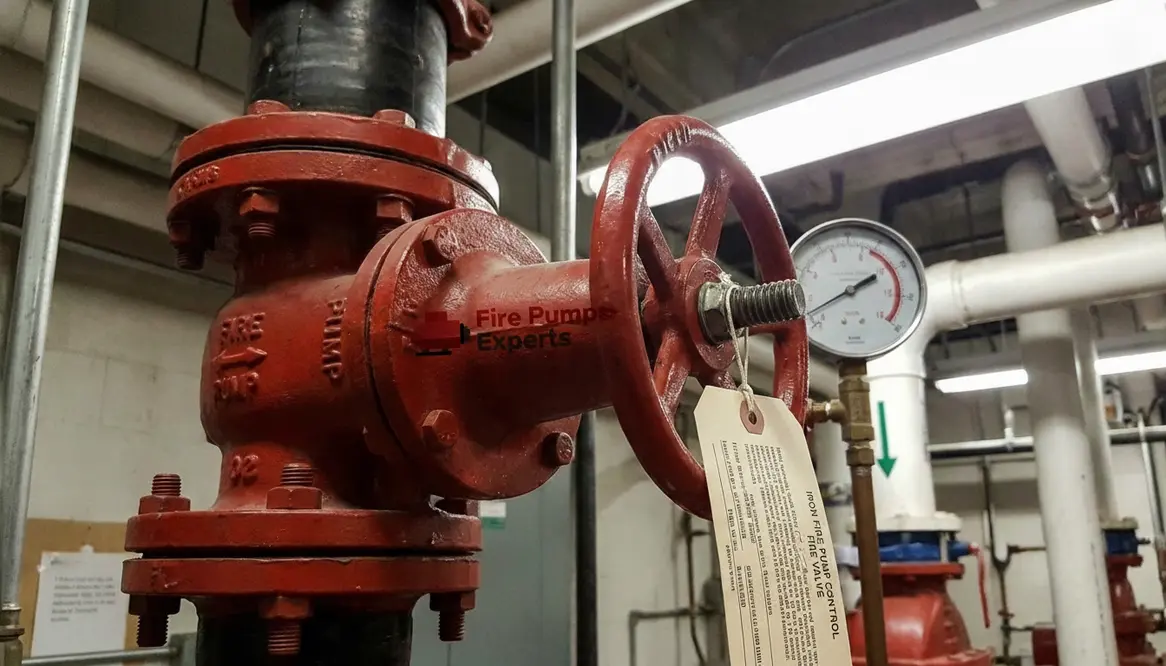
Partially Closed Fire Pump Valve: Pressure and Flow
What Happens When a Fire Pump Control Valve Is Partially Closed
I have seen plenty of fire protection systems act like a calm giant until one small mistake wakes it up. A fire pump valve that sits partly closed can do exactly that. It may look harmless, yet it can cut flow, raise stress, and throw off fire pump pressure right when a commercial or industrial building needs the system most. During fire pump testing, this kind of problem can show up fast, and it rarely shows up politely. In a large facility, that is not a funny surprise. That is a red flag with a siren.
When I check a system, I always treat valve position like the pulse of the whole setup. If the valve is not fully open, the pump does not get to perform at its best. And in fire protection, “close enough” is about as useful as a screen door on a submarine.
What a partially closed valve does to the system
A partially closed control valve restricts water movement. As a result, the pump works harder to push water through a narrower path. This can raise discharge pressure in some spots, but it can also starve the system of the flow it needs. So, even if the gauge looks lively, the actual water delivery may fall short.
That matters because fire pumps serve commercial buildings, warehouses, plants, and other major properties where demand can climb fast. If the valve stays partly closed, the system may seem normal during a quick glance. However, under real demand, the pump can lose efficiency, surge, or even overheat. In other words, the machine starts acting like it had too much coffee and no plan.
How fire pump pressure changes in a real event
Pressure changes are the first clue many teams notice. When the valve restricts flow, the pump may build extra pressure at low demand. Then, as demand increases, the system can drop off faster than expected. That swing creates weak coverage at the very moment the building needs steady supply.
Also, a valve that is not fully open can cause vibration and noise. Those signs often point to unstable water movement. Over time, that stress can wear parts faster, shake loose fittings, and create more service calls than anyone wants on a Monday morning.
Signs I look for during fire pump testing
During fire pump testing, I look for a few clear warning signs:
Pressure that looks higher than normal but flow that feels weak
Unusual vibration near the pump or valve
I also watch for heat build up, odd sounds, and slow response when the system starts. If the valve sits partly closed, the test data may show a mismatch between pressure and flow. That mismatch tells the real story. The system is not performing the way the design intended.
Moreover, a poor test result can lead a team to chase the wrong problem. People may blame the pump, the gauge, or the controller, when the real issue is a simple valve position. I have seen that movie before, and frankly, the sequel is never better.
Why this matters in large facilities
In industrial plants and major properties, a small valve issue can spread into a larger risk. A partly closed valve can limit water to sprinklers, standpipes, or other fire protection lines. Therefore, one hidden setting can weaken a whole defense system.
This is why regular checks matter. A control valve should stay fully open unless a trained person has a valid reason to adjust it. Even then, the team must return it to the proper position right away. For building owners and facility managers, that simple habit protects people, property, and operations.
How I keep the system ready
I keep the work simple and disciplined. First, I confirm the valve position. Next, I verify pressure readings at key points. Then, I compare those readings with expected performance. Finally, I document everything so the next inspection starts with clear facts, not guesswork.
For teams that manage large buildings, I also recommend using trusted service support. For example, a Los Angeles fire pump service resource can help with system care and testing for commercial and industrial sites. In a broader maintenance plan, related support can also help protect critical building systems. If your site follows regional sprinkler standards, Australian fire sprinkler services may serve as a useful reference for system oversight.
Los Angeles fire pump service resource
Home Page
Australian Fire Sprinkler Services
FAQ
Conclusion
When a fire pump control valve is partially closed, the system can look alive while quietly underperforming. That is the danger. I always recommend a full check of valve position, pressure behavior, and test results before an emergency makes the decision for you. If you manage a commercial or industrial property, act now, verify the system, and keep every part ready to do its job when it counts most. After all, fire protection should be reliable, not a mystery box.