Fire Pump Valve Maintenance and Inspection Guide
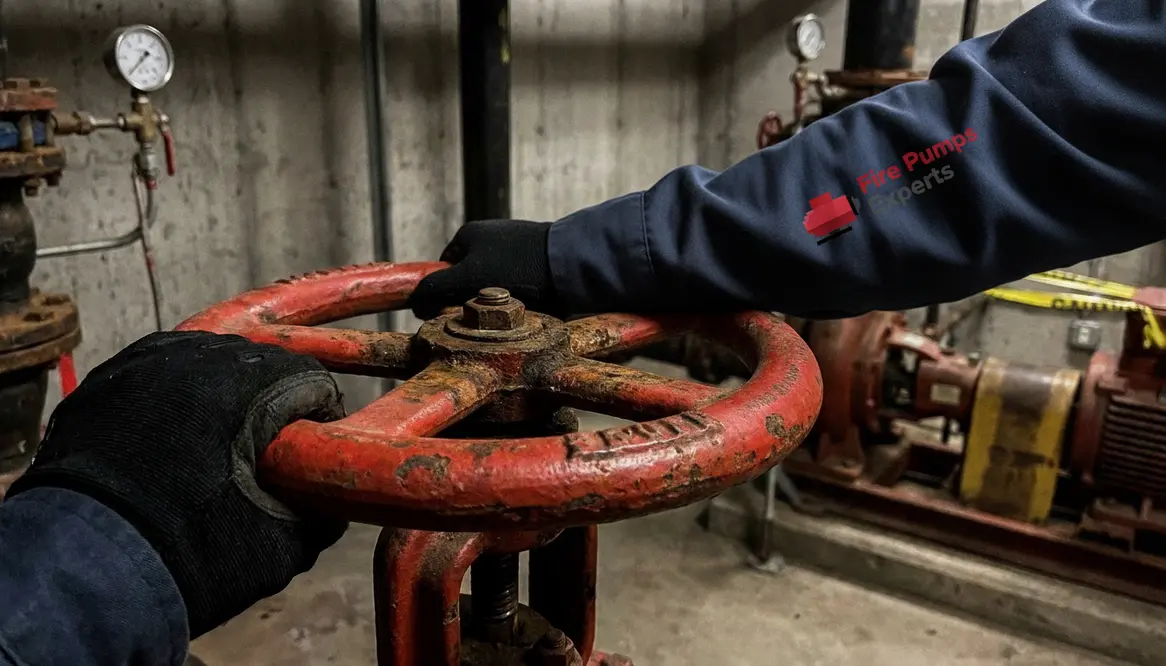
When I look at a fire pump valve, I see more than a piece of hardware. I see a gatekeeper for commercial and industrial safety. And when that valve becomes hard to turn, the whole system can feel like a stubborn elevator door in a slow movie scene. That is why fire pump maintenance and fire pump inspection matter so much. They help me catch the small issues before they turn into a costly problem. In major property buildings, every minute counts, so a valve that fights back is never just annoying. It is a warning.
Why the Valve Fights Back
The first thing I check is simple: age. Over time, metal parts wear down, seals dry out, and rust builds up. As a result, the valve can bind or feel stiff. I also look at mineral buildup, which often sneaks in like an unwanted guest at a quiet office party. If the valve has not moved in a while, deposits may lock the stem in place.
Next, I consider heat and moisture. Both can damage parts inside the valve body. In commercial settings, small leaks or condensation may create corrosion that makes operation harder. Therefore, a valve that once moved smoothly may now need real force. That is not normal, and I never treat it like a minor inconvenience.
Common Causes I Check First
Here is where the trouble usually starts:
- Rust on the stem or handwheel
- Paint or debris blocking the moving parts
- Internal corrosion from trapped moisture
- Broken packing that causes drag
- Misalignment after past repairs
- Lack of routine operation during fire pump inspection
Each of these problems can make a fire pump valve difficult to operate. Moreover, one issue can hide another. For example, a dirty handwheel may point to deeper corrosion inside. So, I do not stop at the surface. I check the full path of movement, from the handle to the stem to the valve seat.
How I Test the Problem Without Making It Worse
I never force the valve like I am trying to open a jammed jar of pickles. That move can break parts or make the seal fail. Instead, I test it with steady pressure and watch for unusual resistance. If the valve moves in short bursts or squeaks, I know the problem needs attention.
At this stage, I also check system pressure, nearby piping, and signs of vibration. Vibration can loosen parts over time, while pressure swings can strain the valve body. Furthermore, if the valve has been painted shut or left untouched for long periods, I may find that the handle only looks ready while the mechanism inside tells a very different story. Looks can be deceiving, even in mechanical systems. Hollywood taught us that much.
What Proper Care Should Include
Good fire pump maintenance does more than keep things clean. It keeps the valve ready for real use in a major property or industrial site where demand can rise fast. I focus on regular operation, lubrication where allowed, and replacement of worn parts before failure starts to spread.
Fire pump maintenance should also include documentation. When I track how the valve feels over time, I can spot a slow decline early. That gives me a chance to act before a rough valve becomes a failed valve. And in this business, that difference can save time, money, and a lot of stress. Nobody wants a fire protection system behaving like a diva on opening night.
Quick Comparison of Symptoms and Causes
Below is a simple view of what I often see in the field:
Symptom
Hard to turn by hand
Sticks halfway open or closed
Grinding or squeaking sound
Visible rust or buildup
Uneven movement
Likely Cause
Internal corrosion or dried packing
Misalignment or debris inside the body
Lack of lubrication or worn stem parts
Moisture, age, or poor storage conditions
Mechanical wear from repeated strain
When to Bring in Help
If the valve still resists after a careful check, I bring in a qualified fire protection team. That matters even more for commercial and industrial facilities, where system failure can put a lot at risk. I also review related components, because one hard valve can signal a wider issue in the system.
For more background on system support, I often point facility teams to los angeles fire pump services and to internal resources like fire pump solutions for commercial properties. In some cases, teams also need support from electrical system specialists when control issues affect pump performance, or from sprinkler service guidance when the whole fire protection setup needs a broader review.
FAQ
Why is my fire pump valve hard to turn?
Most often, rust, buildup, or worn parts cause the resistance.
Should I force a stiff valve?
No. Forcing it can damage the valve or the seal.
Can lack of use make the valve harder to operate?
Yes. Stagnant valves often seize or bind over time.
How often should fire pump maintenance happen?
Regularly, based on code, site use, and system needs.
Does a hard valve mean the whole system is failing?
Not always, but it does mean the system needs attention fast.
Conclusion
If your fire pump valve feels stiff, I would treat that as an early warning, not a small nuisance. The best next step is a careful inspection, timely repair, and steady fire pump maintenance from a team that understands commercial and industrial systems. So, do not wait for a problem to grow teeth. Check the valve, document the issue, and bring in help before a hard turn becomes a hard lesson. Your building deserves that kind of care.