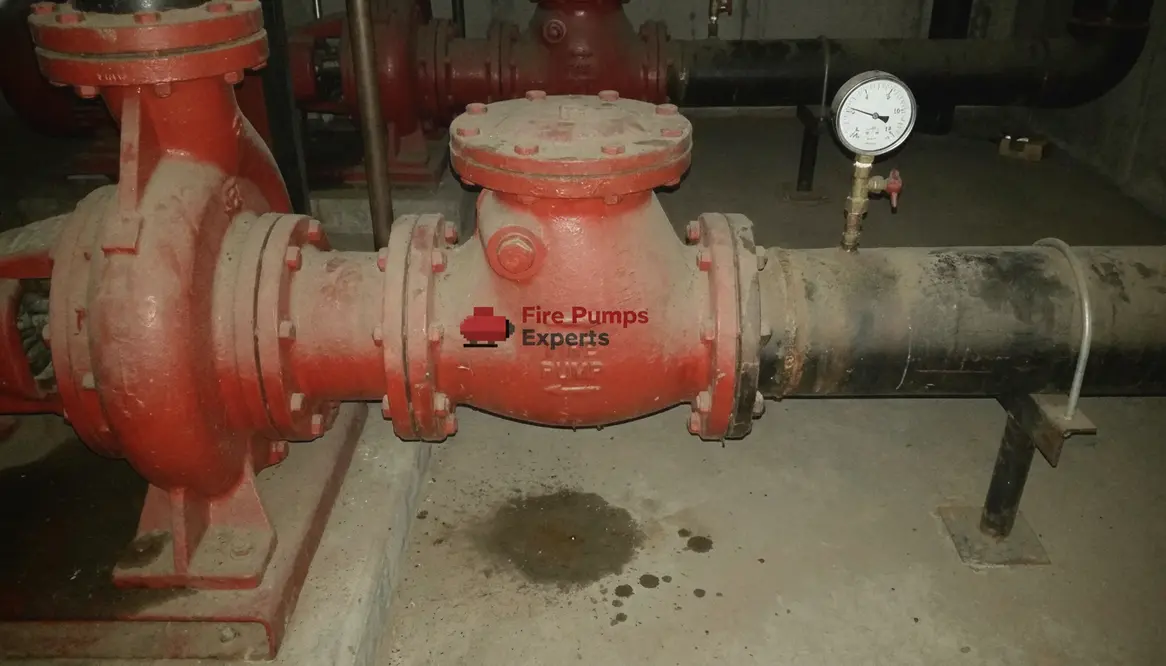
Fire Pump Check Valve Leakage: Symptoms and Effects
I have seen a fire pump check valve do its quiet work for years, and then one small leak starts the whole system acting strange. At first, the signs can feel harmless. However, that tiny leaking check valve can change fire pump pressure, waste energy, and make a commercial or industrial fire protection system less reliable than it should be. In a major property, that is not drama anyone wants. It is more like a surprise cameo from a bad sequel.
In this article, I will walk through the warning signs, the system effects, and the steps I look at first when I suspect trouble. I will keep it practical, direct, and useful for large facilities that depend on steady fire protection every day.
Quick signs I look for in a leaking check valve
When I inspect a fire pump check valve, I start with the simplest clues. A leaking check valve usually shows itself through pressure swings, odd sounds, or repeated pump starts. In many cases, the system tries to tell the story before any major failure happens.
Common symptoms
- Pressure drops when no demand exists
- Water moves backward through the line
- The fire pump starts more often than normal
- I hear chatter, thumping, or weak hammering sounds
- Gauges do not hold steady
Because these systems protect large commercial and industrial facilities, even a small leak matters. A check valve should stop reverse flow. If it does not, the pump can cycle like a restless night shift worker on too much coffee.
Why the “small leak” can feel sneaky
A check valve is supposed to behave like a one-way door. When that door doesn’t fully seal, the system starts reacting instead of responding. That is how normal operations turn into repetitive troubleshooting and unexpected pump starts.
And when staff hear noise or see pressure drift, they often assume something more obvious is at fault. Sometimes it is. Often, it is the check valve leaking in the background.
How fire pump pressure changes when the valve leaks
Fire pump pressure should stay stable until the system needs water. However, when the valve leaks, that balance slips. Water can drift back through the line, and then pressure falls more than it should. As a result, the jockey pump may run too often, and the main fire pump may start when it does not need to.
This matters because unstable fire pump pressure can hide a bigger problem. At first, the system may still seem functional. Still, if the pressure keeps bouncing, the pump has to work harder to correct the loss. Over time, that extra work can wear parts faster and put stress on the whole setup.
In my experience, the real danger is not only the leak itself. It is the way the leak changes the rhythm of the system. A healthy system stays calm. A troubled one keeps tapping you on the shoulder like it has bad news.
What the leak does to the whole fire protection system
Here is the bigger picture. A leaking check valve affects more than one gauge. It can weaken readiness, raise maintenance needs, and confuse fault diagnosis. Also, it may cause false alarms or repeated pump starts that pull staff away from other work.
Direct effects
- Loss of pressure retention
- Reverse water flow
- Extra pump cycling
- Noise and vibration
Longer term effects
- Faster wear on pump parts
- Higher service costs
- Harder troubleshooting during inspections
- Lower confidence in emergency readiness
For commercial and industrial properties, these effects can become expensive fast. Also, when a system keeps cycling, staff may assume the issue is electrical or control related. Sometimes it is. However, I always keep the check valve on the shortlist because it often plays the quiet villain in the background.
How I confirm the problem during inspection
I do not guess when it comes to fire pump issues. Instead, I look at the pressure gauge trend, listen for backflow signs, and check whether the pump loses prime or cycles without demand. Then I inspect the valve body, seat, and disc for wear, dirt, or damage.
In many cases, I also review related equipment from the wider fire protection setup. If you need a broader look at system support for major properties, I recommend reviewing los angeles fire pump service support and the fire pump solutions page. For facilities that also need electrical coordination and system support, commercial electrical services can help keep the larger system stable. And for water based protection across big sites, fire sprinkler services for major facilities can give useful context.
Likewise, I look at the service history. If the valve has not been cleaned, tested, or replaced in a long time, the odds of trouble climb. A fire pump check valve does not need applause, but it does need attention. Ignoring it is a bit like ignoring a smoke alarm because it “seems fine.” That plan has never won awards.
What facility teams should do next
Once I confirm a leaking check valve, I act fast. First, I isolate the issue and protect the rest of the system. Next, I inspect the valve for repair or replacement. If I find damage to the seat or disc, I usually lean toward replacement rather than a quick patch. In a large facility, reliability matters more than wishful thinking.
Then I test the system again and watch pressure behavior closely. If the readings settle, I know the fix worked. If not, I keep moving through the rest of the line until I find the hidden cause. Also, I document everything so the next inspection starts with good data, not guesswork and hope, which is not a fire protection strategy.
FAQ
Final call to action
If your commercial or industrial fire protection system shows pressure swings, extra pump starts, or strange valve noise, do not wait for the problem to grow teeth. I recommend a full inspection of the fire pump check valve, the nearby piping, and the control setup right away. A small leak can turn into a serious system weakness. Act now, protect the property, and keep your fire system ready when it matters most.