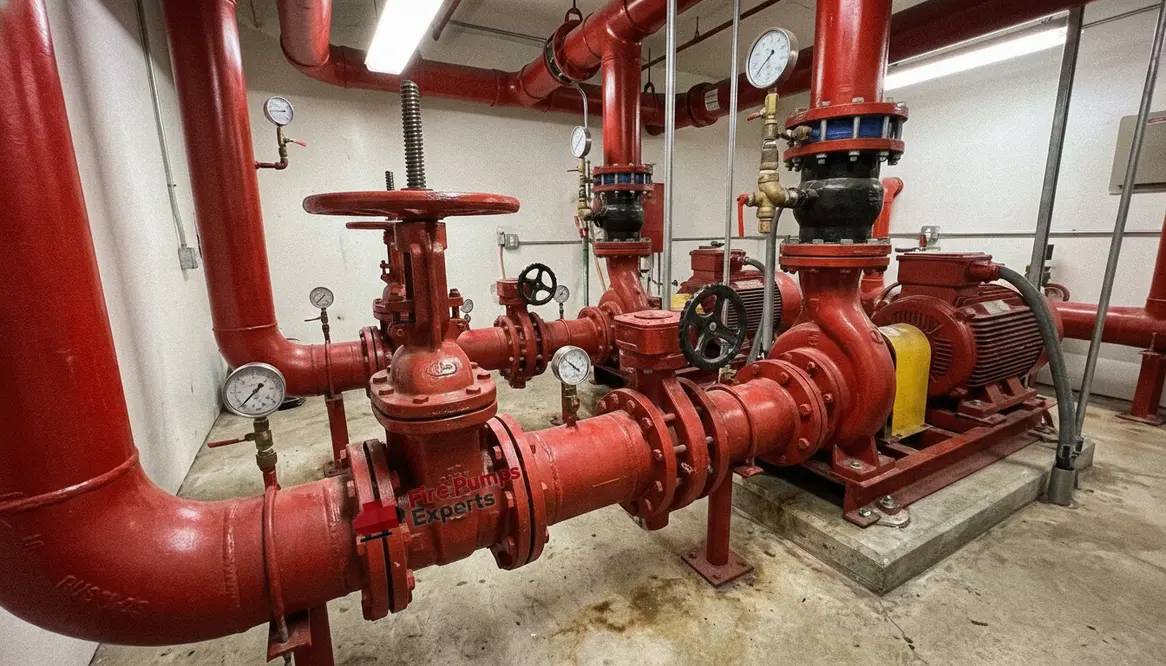
Butterfly Valve vs OS&Y Valve in Fire Pump Systems
When I look at a fire pump system, I do not see just pipes and metal parts. I see the quiet muscle that protects a commercial building, an industrial plant, or a major property when things go sideways. And yes, the OS&Y valve and butterfly valve both play a role in that world. One gives a clear visual signal. The other keeps things compact and simple. So if you have ever wondered which one fits a fire pump setup better, you are in the right place. I will break it down in plain English, with no fluff, no smoke, and just enough personality to keep us both awake.
Quick answer for fire pump system selection
If I need fast, easy visual confirmation that a valve is open, I lean toward the OS&Y valve. If I need a compact setup with smoother space use, I often consider a butterfly valve. However, the right choice depends on the building, the code needs, the maintenance plan, and how the fire pump system will operate under pressure. In other words, the best valve is not the one with the coolest name. It is the one that fits the job without drama. Think less superhero cape, more reliable work boots.
How an OS&Y valve works in a fire pump system
The OS&Y valve stands for outside screw and yoke. I like it because it gives me a clear visual cue. When the stem rises, the valve is open. When it drops, the valve is closed. That makes inspection easier, especially in large commercial and industrial spaces where speed matters. Also, the design helps staff spot a problem before it turns into a bad day with sprinklers, alarms, and a room full of very unhappy people.
In a fire pump system, that visual confirmation matters. I can walk by, glance at the valve, and know where I stand. As a result, the OS&Y valve often earns trust from facility teams that want simple proof of position. It does need space, though. So if the mechanical room feels tighter than a packed concert venue, planning becomes important.
How a butterfly valve fits commercial fire protection
The butterfly valve uses a disc that turns to open or close flow. It takes up less space, which is a big deal in crowded mechanical rooms. I often see it used where layout matters and where the team wants a lighter, more compact option. Because it has fewer bulky parts sticking out, it can be easier to fit into a modern system design.
Still, I do not treat a butterfly valve like the easy button. It must match the pressure needs and the system design. Also, staff should know how to confirm its position, since the visual cue is not as obvious as with an OS&Y valve. So yes, it can be sleek. But sleek does not mean magic. Even Tony Stark needed a plan.
Butterfly valve vs. OS&Y valve: what matters most
Here is the real comparison:
| OS&Y valve | Butterfly valve |
|---|---|
| Easy to see if open or closed | Compact and space friendly |
| Works well for clear inspection | Often easier to fit in tight rooms |
| Needs more room around it | Usually lighter and smaller |
| Strong choice for visual checks | Strong choice for space control |
So, which wins? I would not call it a knockout. Instead, I would say the winner changes based on the site. A large distribution center may value quick checks and easy access. Meanwhile, a dense high rise mechanical room may need a more compact fit. Therefore, I always look at the building first, then the valve.
Which valve I would choose for a fire pump system
If I wanted the most obvious open or closed status, I would choose the OS&Y valve. If I wanted to save space and keep the installation clean, I would consider a butterfly valve. However, I would never pick one on style alone. I would review the system layout, access needs, inspection routine, and local code expectations.
For commercial and industrial facilities, that step matters even more. These buildings often run large systems with real risk on the line. A valve that saves a few inches but slows down maintenance can cost more later. On the other hand, a valve that is easy to inspect but hard to fit can create layout problems from day one. Either way, the goal stays the same: protect the building and keep the fire pump system ready.
Where to get help for commercial fire protection decisions
If I were planning a project, I would not guess my way through it. I would review trusted resources and speak with people who work in fire protection every day. For more system details, I would start with this los angeles fire pump system resource. I would also use this commercial fire sprinkler services guide when I need a broader view of protection planning. And if I need electrical coordination tied to life safety equipment, I would also look at commercial electrical services for major properties. That way, I keep the whole setup aligned instead of letting one piece play the hero alone.
FAQ: Butterfly valve vs. OS&Y valve
Conclusion
In the end, I do not see this as a contest with a single winner. I see it as a design choice with real building impact. If you manage a commercial or industrial property, take the time to match the valve to the system, the space, and the inspection plan. That one decision can save time, reduce confusion, and support a stronger fire protection strategy. If you are planning a new install or reviewing an existing fire pump system, now is the time to compare wisely and act with confidence.