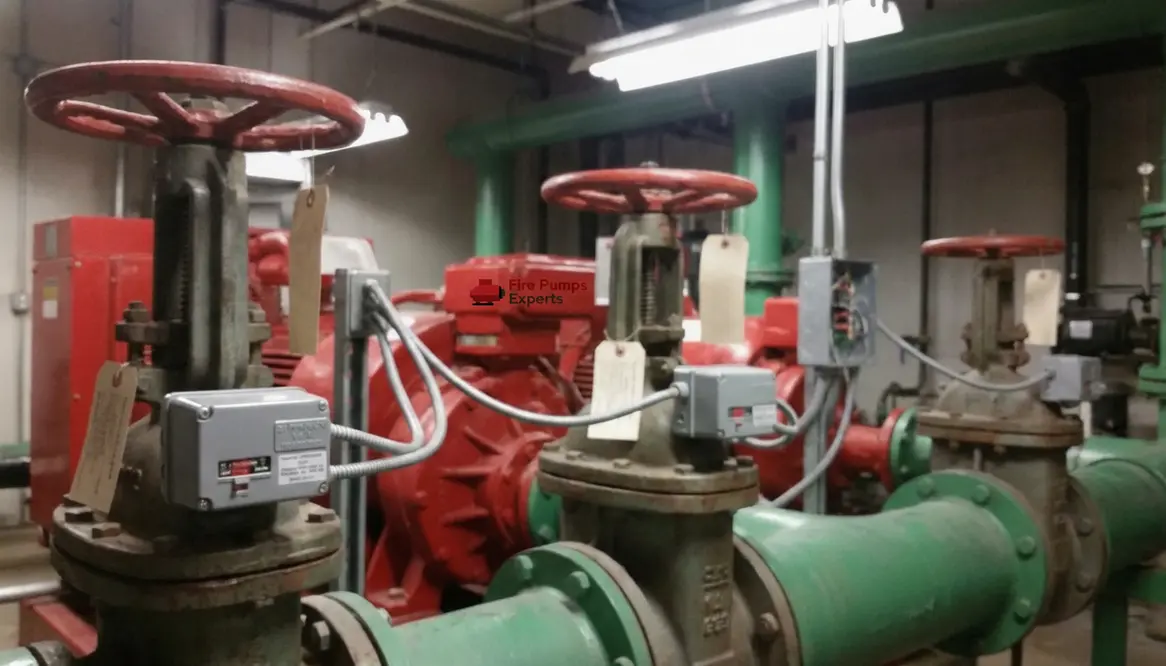
Fire Pump Valve Supervision and Supervisory Switch
I have seen one truth hold steady in commercial and industrial fire protection: a fire pump is only as reliable as the valves that support it. That is why fire pump valve supervision, the supervisory switch, and fire pump requirements matter from the start. If a valve shifts, closes, or gets tampered with, the system can lose the pressure it needs right when a building needs it most. And that is not a fun surprise. It is the kind that can turn a regular day into a very expensive headline.
In major properties, every moving part must stay accountable. I am talking about commercial towers, industrial plants, warehouses, and large campuses where one weak link can put the whole system on thin ice. So let me walk through why valve monitoring matters, how it works, and why it keeps a fire pump ready for the real world, not just the inspection report.
Quick takeaway
If a valve changes position and no one knows, the fire pump can become the quiet victim. Supervisory monitoring turns “maybe” into alerts you can act on.
Why valve supervision matters in a live system
I like to think of fire pump valves as the gatekeepers of a building’s water supply. They do not ask for applause, but they absolutely deserve attention. If a suction valve, discharge valve, or isolation valve changes position, the pump may still look fine on paper while the system quietly loses its backbone. That is where supervisory monitoring earns its keep.
When a valve is supervised, the system can alert staff fast if someone closes it, opens it too far, or leaves it in the wrong position. As a result, the building team can act before a small issue becomes a full blown problem. In large facilities, that fast notice is not a luxury. It is part of basic control.
How a supervisory switch helps prevent silent failure
A supervisory switch gives the fire alarm system a direct line of sight to valve status. If the valve moves out of its normal position, the switch sends a signal. Then the panel can trigger a trouble alert. No drama, no mystery, just a clear warning that something needs attention.
This matters because valve problems often stay hidden. A person may close a valve during maintenance and forget to reopen it. Or worse, a contractor may adjust something and assume someone else will catch it. That is how systems end up in the kind of situation that makes facility managers age in dog years. With monitoring in place, the building does not rely on memory alone.
Where fire pump requirements connect to real protection
Fire pump requirements are not just code language sitting in a binder like an unused sequel no one asked for. They exist because fire pumps must work under pressure, literally and legally. A fire pump can only deliver water if the supply path stays open and stable. Therefore, valve supervision supports the larger goal of keeping the pump ready at all times.
In commercial and industrial buildings, this becomes even more important. These sites often have high water demand, complex piping, and many people who touch the system over time. So the fire pump requirements push owners toward a setup that detects bad valve positions early and keeps the system in a known state.
What can go wrong without monitoring
Common valve risks
- Accidental closure during service work
- Partial opening that reduces water flow
- Unauthorized tampering
- Slow mechanical drift over time
Real world impact
- Pump may not get the water it needs
- Pressure can drop under demand
- Alarm staff may miss the change
- Emergency response can slow down
When I look at these risks, the pattern is simple. A valve issue does not need to be dramatic to be dangerous. A tiny position change can block a major response. That is why supervision is less about fancy hardware and more about preventing hidden failure. In other words, it is the boring part that saves the day. Batman gets the credit, but Alfred kept the mansion standing.
How to check a fire pump system the smart way
If I were managing a large property, I would treat valve monitoring as part of a wider routine. First, I would confirm that all key valves have proper supervisory devices. Then I would test the signal path to make sure the alarm panel receives the right trouble message. After that, I would review maintenance logs so I know who touched what and when. That paper trail matters more than people like to admit.
Also, I would tie this into broader fire protection planning. For example, if a property already works with los angeles fire pump service support, the team can help verify that the pump, valves, and monitoring devices all work together. For integrated electrical and fire system coordination, I would also look at commercial electrical integration solutions. And for properties with global or multi site standards, international sprinkler service expertise can offer useful perspective on system readiness.
Why commercial properties should stay ahead
In a major property, downtime costs money, and failure costs far more. That is why I never treat valve monitoring as a side note. It protects uptime, supports inspection readiness, and helps keep the system in a state that matches the design. Moreover, it helps property teams avoid last minute scrambles when inspectors arrive or when maintenance crews rotate.
When the system stays supervised, everyone works with better information. Security knows when a valve changes. Maintenance knows what needs review. Leadership gets fewer surprises. And that, frankly, is the kind of calm every large facility can use.
FAQ
Conclusion
If you manage a commercial or industrial property, do not wait for a problem to expose a weak valve. I recommend reviewing your fire pump valve supervision setup now, checking every supervisory switch, and confirming that your fire pump requirements are fully met. A good system should stay ready, quiet, and dependable. If you want to protect your building with less guesswork and more confidence, take the next step and inspect your fire pump system today.