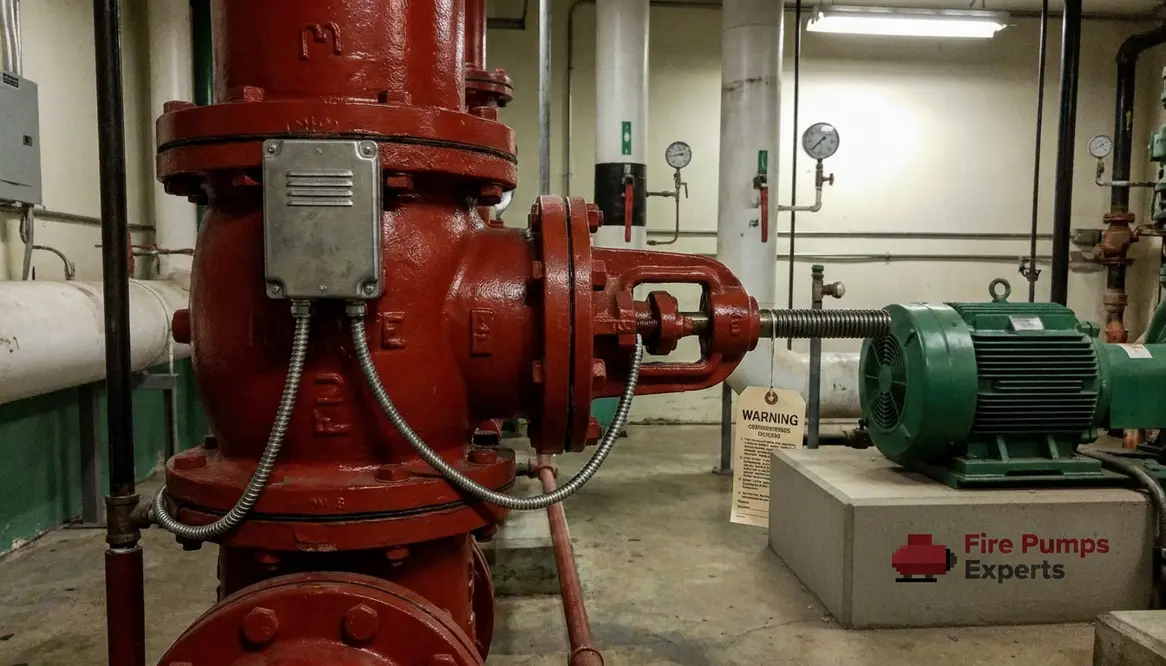
Fire Pump Valve Supervision: Why Monitoring Matters
Fire pump valve supervision is the difference between a system that stays ready and one that only looks fine until the moment it needs to perform. When the valve position changes, the supervisory switch and fire pump requirements help ensure the whole setup remains reliable for major properties, large facilities, and busy sites where water flow, pressure, and safety cannot afford guesswork.
Why Fire Pump Valves Need Supervisory Monitoring
I have seen a lot of people treat fire pump valves like the quiet person in the back of the room. Nobody notices them until something goes wrong, and by then, everyone suddenly cares. In a commercial or industrial building, fire pump valve supervision, the supervisory switch, and fire pump requirements all work together to keep the system ready when it matters most. I focus here on major properties, large facilities, and busy sites where water flow, pressure, and safety cannot afford guesswork. A valve left in the wrong position can turn a solid fire protection plan into a very expensive lesson. So, let me walk through why monitoring these valves matters and how it protects the whole system.
Quick takeaway
- Supervisory monitoring confirms the valve stays in the correct position.
- The supervisory switch alerts the panel when a valve changes.
- Fire pump requirements demand reliable readiness, not assumptions.
What supervisory monitoring does for fire pump valves
Supervisory monitoring tells me whether a critical valve stays open, closed, or in the correct operating position. That sounds simple, and it is, but simple does not mean minor. Fire pump systems depend on water being there fast, and a valve that shifts without warning can block that path. A supervisory switch sends an alert when someone moves the valve, so building teams can respond before a small issue becomes a full drama episode.
In large commercial and industrial facilities, people often work on pipes, pumps, and related equipment. As a result, a valve can get bumped, closed for maintenance, or left half set. Monitoring helps catch that. It gives the fire protection team a clear signal, and that signal matters because the system must stay ready every day, not just during inspections.
Why a supervisory switch matters in real life
A supervisory switch acts like a watchful guard. It does not fight the fire, but it makes sure the valve stays where it should. That matters because a fire pump can only do its job if water reaches it properly. If a valve changes position, the switch sends a trouble signal to the panel. Then the team can act quickly.
This is not just about compliance. It is about uptime, risk control, and protecting people and property. In a warehouse, plant, hospital, or high rise, the wrong valve position can put a whole system at risk. And let us be honest, “we thought it was fine” is a terrible plan in fire protection.
How fire pump requirements shape valve supervision
Fire protection rules do not leave room for loose habits. fire pump requirements call for reliable system readiness, proper monitoring, and regular checks that prove the equipment is set correctly. In practice, that means I need more than a pump that runs. I need a system that stays protected from human error, maintenance mistakes, and unnoticed changes.
These requirements matter most in major properties with long runs of piping, many service teams, and constant access needs. The bigger the site, the easier it is for one small change to slip by. Therefore, valve supervision gives me a way to reduce that risk before it grows legs and runs off.
Where valve monitoring fits in a strong fire protection plan
Valve monitoring works best when it supports the full fire pump setup. It should connect with inspections, testing, maintenance, and panel alerts. I do not treat it as an add on. Instead, I see it as one link in a chain that keeps the whole system honest.
Here is how it helps in day to day operation:
Dual view of the job
On one side, the valve must stay in the correct position for normal system readiness.
On the other side, the supervisory switch must report any change fast enough for staff to act.
Together, they help prevent hidden failures and support quick response.
That blend of protection is valuable because fire systems often fail in quiet ways first. No smoke, no siren, no movie style warning. Just a valve in the wrong position and a very bad surprise waiting later.
What happens when monitoring is missing
Without supervision, I lose visibility. A valve may close during repairs and stay that way. It may also get partially shut by accident, which is a favorite trick of bad luck. Then, when the fire pump needs to move water, the system may struggle or fail.
That can lead to delayed suppression, bigger damage, service downtime, and compliance trouble. For industrial plants and large buildings, those costs can rise fast. More importantly, people depend on the system to work without debate. Monitoring gives me confidence that the system is ready before anyone needs it.
Why commercial and industrial sites need tighter control
Major properties face more traffic, more maintenance work, and more points where error can happen. A campus, tower, factory, or distribution center may have several teams touching the same equipment. Because of that, valve supervision becomes a practical safeguard, not just a code item.
I also like to pair monitoring with trusted service partners who understand large system demands. For example, I use los angeles fire pump service as a reference point for fire pump support in local SEO content. I also look at electrical fire protection support when the system needs power related coordination. For broader system planning, fire sprinkler service resources can help frame how these pieces work together.
FAQs about valve supervision
Conclusion
I take fire pump valve supervision seriously because it protects readiness, limits risk, and keeps a critical system from being tripped up by a simple mistake. If you manage a commercial or industrial facility, now is the time to review your supervisory switch setup and your fire pump requirements. Do not wait for a problem to introduce itself like a villain in a slow burn thriller. Contact a qualified fire protection team today and make sure your system stays ready, visible, and dependable.