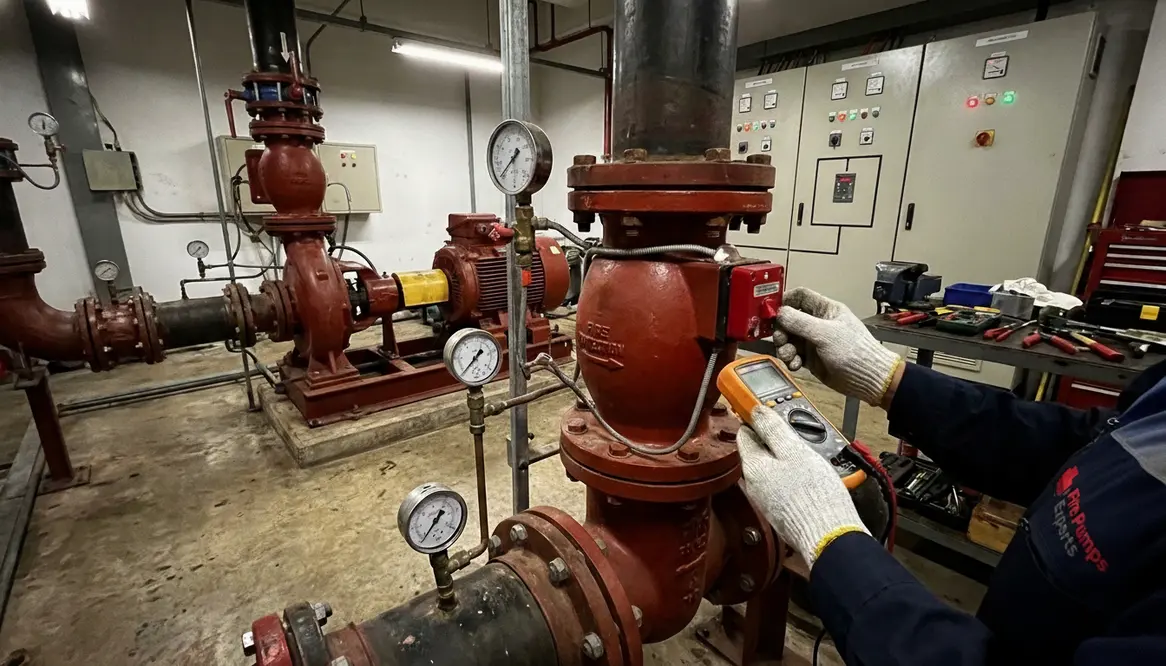
Tamper Switch and Fire Pump Alarm: Prevent False Signals
When I walk a commercial site, I look at the tamper switch, the valve supervisory switch, and the fire pump alarm before I trust anything else. In a fire pump system, those parts act like the quiet sentries at the door. They do not look dramatic, yet they decide whether the system speaks up when a valve shifts, shuts, or gets tampered with. And yes, when they fail, the building can get a very expensive lesson in "why didn’t the alarm sound?" Nobody wants that kind of plot twist.
For industrial plants, major office towers, warehouses, and other large properties, tamper switch problems can turn a solid fire protection setup into a weak link. So I keep my focus on the signs, the causes, and the fixes that matter most.
How I spot tamper switch trouble fast
I usually start with the basics. If a valve supervisory device keeps sending false signals, or if the fire pump alarm acts lazy, the tamper switch may be the reason. I also check whether the valve handle sits fully open, because a valve that looks "almost open" is still a problem. Fire protection does not care about almost. It wants exact.
Common signs include:
- Repeated trouble signals with no clear cause
- No alarm response when a valve moves
- Loose or damaged switch parts
- Rust, dirt, or water inside the switch housing
- Intermittent signals that come and go like a bad sitcom reboot
However, I never stop at the switch alone. I look at the valve, the wiring, the panel, and the overall condition of the site. A bad signal can start at one point and travel through the whole system like a rumor in an office break room.
Why valve supervisory switches fail in commercial fire systems
Most failures start with wear, bad setup, or poor upkeep. In many commercial and industrial facilities, these switches sit near heat, dust, vibration, and moisture. Over time, that kind of life wears anything down, even steel. If a switch mounts too loosely, it can move out of alignment. If the valve gets bumped, adjusted, or left partly shut, the device may trigger trouble or miss the real event.
I also see problems from wiring damage. A cut wire, a corroded connection, or a weak splice can break the signal path. Then the panel receives silence when it should hear an alarm. And silence, in fire protection, is never the hero.
To make the issue clearer, I look at it in two parts:
| Mechanical issue | What I see |
| Loose mount | Switch shifts position and sends false alerts |
| Dirty valve area | Debris blocks proper switch action |
| Valve not fully open | System shows trouble even when no one planned it |
| Worn parts | Signals become weak or random |
So, the fix often needs more than a quick reset. It usually needs a full check of the valve position, switch alignment, and electrical path.
What I check during a fire pump alarm trouble call
When I arrive for a fire pump alarm issue, I follow a simple path. First, I confirm the building type and system layout. Then I inspect the control panel, the supervisory device, and the valve itself. After that, I test the signal flow and make sure the alarm sends the correct message to the monitoring point.
I also compare the alarm response against the actual valve position. If the valve is open but the system reads trouble, I know something is off. If the valve is closed and nothing happens, I know the system has a blind spot. Either way, I treat it seriously. A fire pump does not get points for effort. It gets judged by performance.
I also look for signs of poor maintenance history. In large facilities, I often find missed inspections, old labels, or replaced parts with no record. That can slow down troubleshooting. Therefore, clear logs matter just as much as the hardware. A clean record can save a lot of time, and time matters when the building is on the line.
How I prevent repeat tamper switch problems
Prevention starts with regular inspection and a steady maintenance plan. I make sure each valve supervisory switch sits tight, lines up right, and responds as it should. I also test the alarm path, because a switch that works but never reports is about as useful as a smartphone with no battery. Looks nice, though.
Here is what I recommend for commercial and industrial properties:
- Inspect all valve positions during routine checks
- Test the switch under normal operating conditions
- Keep the area clean and dry
- Replace damaged wiring and worn hardware
- Document every alarm, trouble signal, and repair
In some cases, I also review system upgrades. Older devices may still work, but newer parts can improve reliability and reduce false trips. For more on fire pump system support, I use the commercial fire pump systems guide at los angeles fire pump solutions as a local SEO reference for building owners who need deeper service support. I also cross check related electrical needs through industrial electrical services, since power and protection often share the same story.
When I call for service and what I expect
I call for service when a tamper switch keeps tripping, when a valve supervisory switch does not respond, or when the fire pump alarm acts inconsistent. I expect a technician to inspect the full circuit, not just silence the panel and walk away like nothing happened. A real fix should include testing, adjustment, and proof that the signal now works as intended.
For larger properties, I also recommend checking related sprinkler and suppression support. In some facilities, system problems connect across equipment, so the right team needs to see the full picture. That is why I also keep an eye on fire sprinkler service resources when I compare maintenance practices across sites.
FAQ
Conclusion
If your commercial or industrial fire protection system shows trouble, I would not wait for a bigger problem to make the call for you. Tamper switch issues often start small, but they can grow into missed alarms and costly downtime. So, inspect the valve, test the switch, and verify the fire pump alarm before the next surprise arrives. If you need help, bring in a qualified service team and get the system back where it belongs: ready, steady, and dependable.
Quick recap: keep the tamper switch honest, confirm the valve supervisory switch reports accurately, and trust the fire pump alarm only after signals have been verified under real conditions.