Sediment in Fire Water Tanks Impacting Fire Pumps
Sediment in Fire Water Tanks and Its Effect on Fire Pumps
When I talk about fire water tank maintenance, fire pump maintenance, and water tank sediment, I am talking about the quiet troublemakers that can turn a solid fire protection system into a weak one. Sediment does not make a grand entrance. It settles in slowly, like a lazy guest who never leaves. Yet over time, it can block strainers, wear out pump parts, and cut water flow when a commercial or industrial building needs it most. That is why I treat this issue as a serious part of fire system care, not a side note.
What sediment does inside a fire water tank
Sediment builds up from rust, dirt, mineral scale, and small debris that enter the tank over time. I often see it collect at the bottom first, where it looks harmless enough. However, once the tank pulls water toward the pump, that material can move into the system and cause real damage. In a large property, even a thin layer of sludge can affect water quality, reduce available capacity, and create uneven flow. And yes, fire protection does not need “surprise toppings” like a badly made pizza.
In industrial and commercial settings, this buildup can also hide signs of corrosion. As a result, the tank may seem fine from the outside while the inside tells a very different story. I always remind facility teams that sediment is not just dirt. It is a warning sign.
How fire pumps react when sediment enters the line
Fire pumps need clean, steady water to work right. When sediment gets into the intake, it can clog the suction side, scratch seals, and damage impellers. First, the pump may lose prime or show weak pressure. Then, it may begin to run hotter or noisier than normal. Over time, this can lead to breakdowns that no building manager wants to explain during an inspection, especially when everyone is trying to look calm and professional, like they are in a fire safety reboot of The Office.
Here is the simple truth: pump wear gets worse when sediment keeps flowing through the system. So, I look at pump issues and tank debris as one linked problem, not two separate ones.
Signs I check during a tank inspection
When I inspect a fire water tank, I watch for a few clear signs that sediment may already be causing trouble:
- Cloudy or dirty water near the outlet
- Sludge at the bottom of the tank
- Reduced pressure during pump testing
- Unusual pump noise or vibration
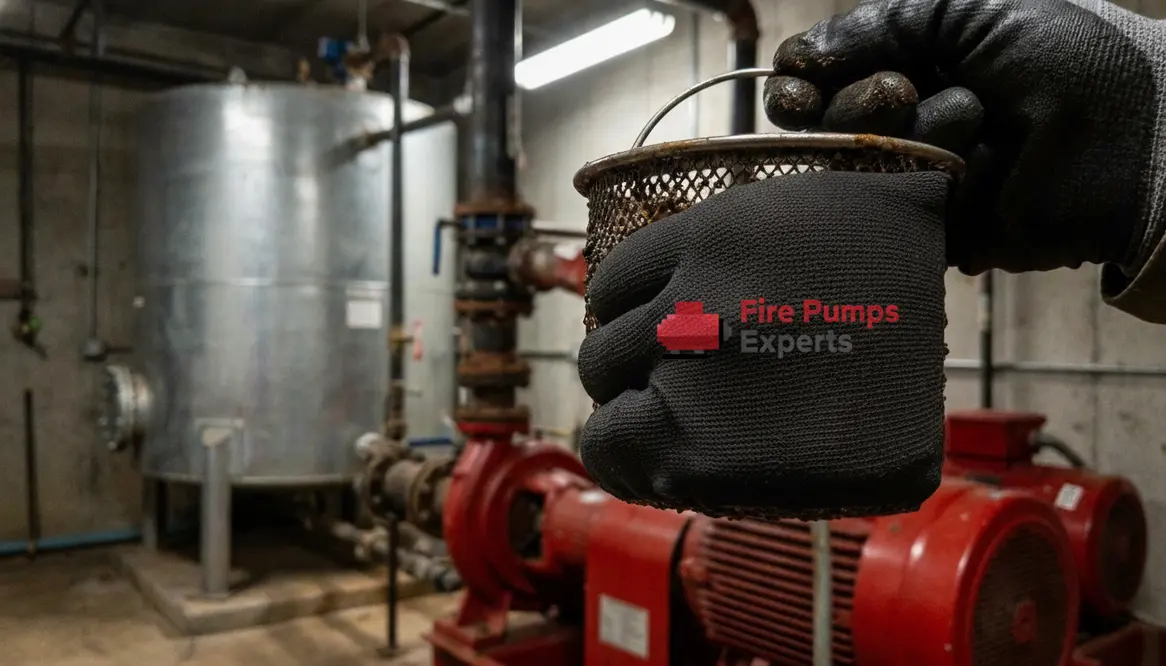
- Rust flakes, scale, or grit in strainers
Also, I look for changes in water level behavior. If the tank seems to supply water unevenly, sediment may be blocking the pickup point. That matters because a fire pump cannot do its job if the tank feeds it poorly.
Fire water tank maintenance and pump care together
Fire water tank maintenance and fire pump maintenance work best when I handle them as one plan. A clean tank supports steady pump performance, and a healthy pump helps reveal tank problems early. For example, during scheduled testing, I can spot low pressure, strange sounds, or flow changes that point back to sediment buildup. Then I can act before the issue spreads.
Here is how I approach both systems in a practical way:
Tank care
I inspect the tank interior, remove buildup, check for corrosion, and verify that water enters and exits without blockage.
Pump care
I test pressure, listen for noise, check seals and strainers, and confirm the pump can move water at the needed rate.
This paired approach matters even more for major properties and large commercial sites, where a weak point can affect a much bigger risk area. In other words, one small pile of muck can cause one very expensive headache.
How I reduce water tank sediment before it becomes a problem
I reduce sediment by keeping up with regular cleaning, flushing, and inspection cycles. I also make sure inlet screens, strainers, and fittings stay in good shape. If a tank sits in a dusty area or serves an older building, I expect faster buildup and plan for it. In some cases, I recommend water quality checks so I can track how quickly debris collects.
For teams that need support with larger systems, I often point them to trusted service pages like los angeles fire pump service for related pump care, as well as fire sprinkler service resources and commercial electrical support when the facility needs linked system work. That connection matters because fire protection does not live in one box. It works as a network.
FAQ
Conclusion
If I want a fire protection system I can trust, I never ignore sediment. I keep the tank clean, test the pump often, and watch for small warning signs before they grow teeth. For commercial and industrial facilities, that steady care protects property, operations, and people. If your building relies on fire water storage, now is the time to schedule an inspection, clear the buildup, and make sure your system is ready when it counts most.