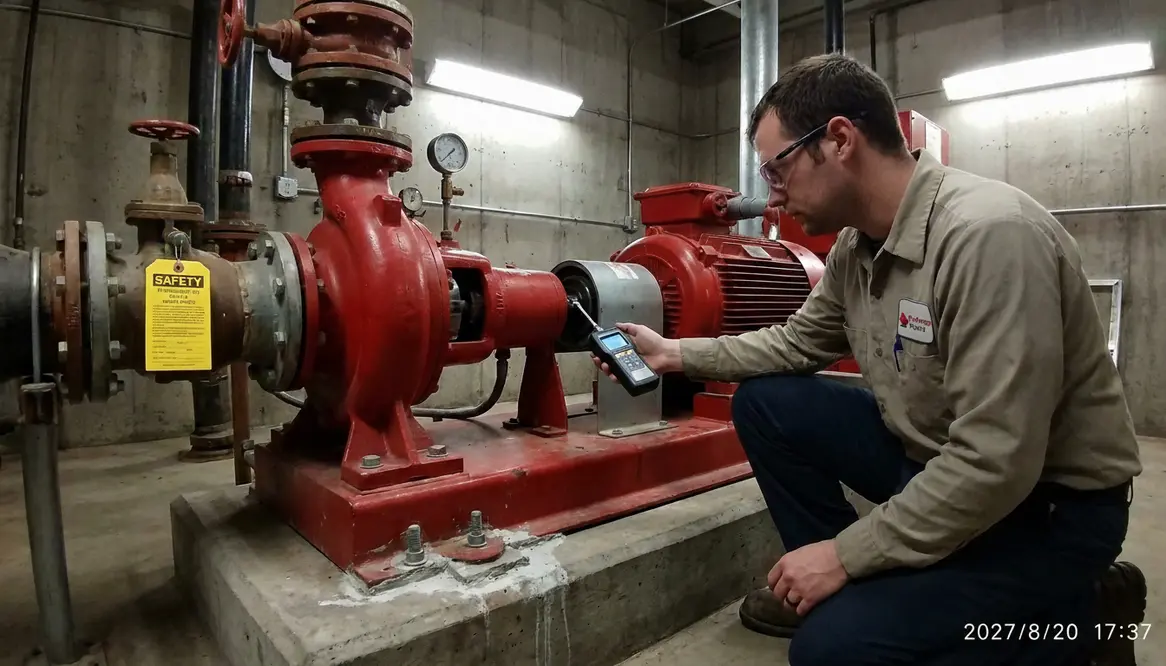
Fire Pump Vibration: What Technicians Inspect
I have seen it too many times: a fire pump starts with a faint shake, then the vibration grows a little more each year, and before long the whole room feels like it has a nervous system of its own. When fire pump vibration increasing year over year shows up, I do not treat it like background noise. I treat it like a warning. In commercial and industrial facilities, and in major property buildings, a vibrating pump can signal wear, poor alignment, hidden pipe stress, or a mechanical issue that will not politely fix itself. It usually gets worse because something in the system keeps slipping out of place, much like a villain in a movie who refuses to stay defeated.
In this article, I will walk through what technicians inspect, why they inspect it, and how they separate a small nuisance from a bigger failure risk. The goal is simple: protect the fire pump, protect the building, and keep the system ready when it matters most.
Why Vibration Trends Matter Before the Alarm Bells Ring
When I see a pump vibrate more each year, I look for a pattern, not a single event. One bad reading can come from a loose bolt or a temporary load change. However, a steady rise in vibration often points to an issue that has been building for months or years. That matters because fire pumps serve life safety systems. If the pump cannot perform under pressure, the whole fire protection setup loses strength fast.
Technicians usually begin by comparing current readings to past service notes. Then they check whether the vibration increases at startup, at full flow, or during a specific operating range. That timing tells a story. For example, startup shake may point to alignment or coupling trouble, while a stronger pattern under load may point to pipe strain, impeller wear, or bearing problems. In other words, the pump is not being dramatic. It is sending clues.
What Technicians Inspect First on a Shaking Fire Pump
I always start with the basics, because the basics love to cause trouble in expensive ways.
1. Base, Anchor Bolts, and Grout
Technicians inspect the pump base for loosened anchor bolts, cracked grout, and any movement between the skid and the floor. If the base shifts, vibration spreads through the whole unit. Even a small gap can act like a drum skin. That is not the kind of rhythm anyone wants in a fire pump room.
2. Coupling and Alignment
Next, they check coupling wear and shaft alignment. If the driver and pump shaft do not line up, the machine fights itself every time it runs. Over time, that creates heat, noise, and rising vibration. I have seen a misalignment survive just long enough to make everyone think things were fine. Then the pump reminded us it had other plans.
3. Bearings and Lubrication
Technicians inspect bearing condition, grease quality, and signs of overheating. Worn bearings often create a rough, uneven vibration pattern. Poor lubrication can make the problem grow faster. Since these pumps often sit idle until needed, a bearing issue may hide until a test run exposes it.
4. Impeller Condition
I also want the impeller checked for damage, buildup, or imbalance. Scale, corrosion, and debris can change the way the impeller spins. Even a small amount of wear can throw off balance and create a yearly rise in vibration.
5. Shaft Runout and Internal Wear
Technicians measure shaft runout to see whether the shaft bends or wobbles as it turns. They also look for worn seals and internal parts that may let the shaft move too much. If the shaft does not rotate cleanly, the pump will usually tell on itself through vibration.
How Pipe Stress and Water Flow Change the Story
Sometimes the pump is not the only problem. I always check the connected piping because a fire pump can shake harder when the pipes pull against it. Poor support, thermal movement, or misfit piping can load the casing and force the pump out of balance. That is why technicians inspect pipe hangers, supports, and flange fit.
Flow conditions matter too. If the pump runs far from its best operating point, vibration can rise. A blocked suction line, partial valve issue, or changing system demand can all create rough operation. So, the technician may review suction pressure, discharge pressure, and test curves. This step helps separate a pump problem from a system problem. And yes, that distinction matters. You do not want to replace a part that only needed better support. That would be a very expensive way to learn humility.
What a Fire Pump Inspection Reveals About Root Cause
When vibration keeps increasing each year, I look for root causes that hide under the surface. A technician may use a vibration meter, thermal checks, and visual inspection together. That combination helps spot loose hardware, hot bearings, imbalance, or cavitation signs. Cavitation often leaves noise, pitting, and unstable readings behind, like a bad guest who leaves the place worse than they found it.
For facilities that need more than a basic check, I also recommend reviewing related fire protection and electrical support systems. For example, a broader look at commercial fire protection electrical support can help confirm the pump and its controls operate as one system. Likewise, a full fire sprinkler service overview can show whether the rest of the protection network is adding strain or running as intended. And if you need a local point of reference, see los angeles fire pump service for commercial and industrial buildings.
What I Recommend After the Inspection
After the inspection, I want a clear action plan, not vague concern and a handshake. If technicians find loosened hardware, they should correct it. If alignment is off, they should realign the unit and recheck it. If bearings or impellers show wear, they should schedule repair or replacement before the next test run makes the damage worse. I also want follow up readings, because vibration data should improve after the fix. If it does not, the root cause is still hiding somewhere.
FAQ
Conclusion
If your fire pump vibration increasing year over year, do not wait for the machine to shout louder. I recommend scheduling a detailed inspection now, before a small pattern turns into a costly repair or an unexpected outage. A trained technician can trace the cause, fix the weak point, and help restore steady operation for your commercial or industrial facility. In life safety work, calm systems are not a luxury. They are the whole point. Act early, inspect fully, and keep the pump ready.