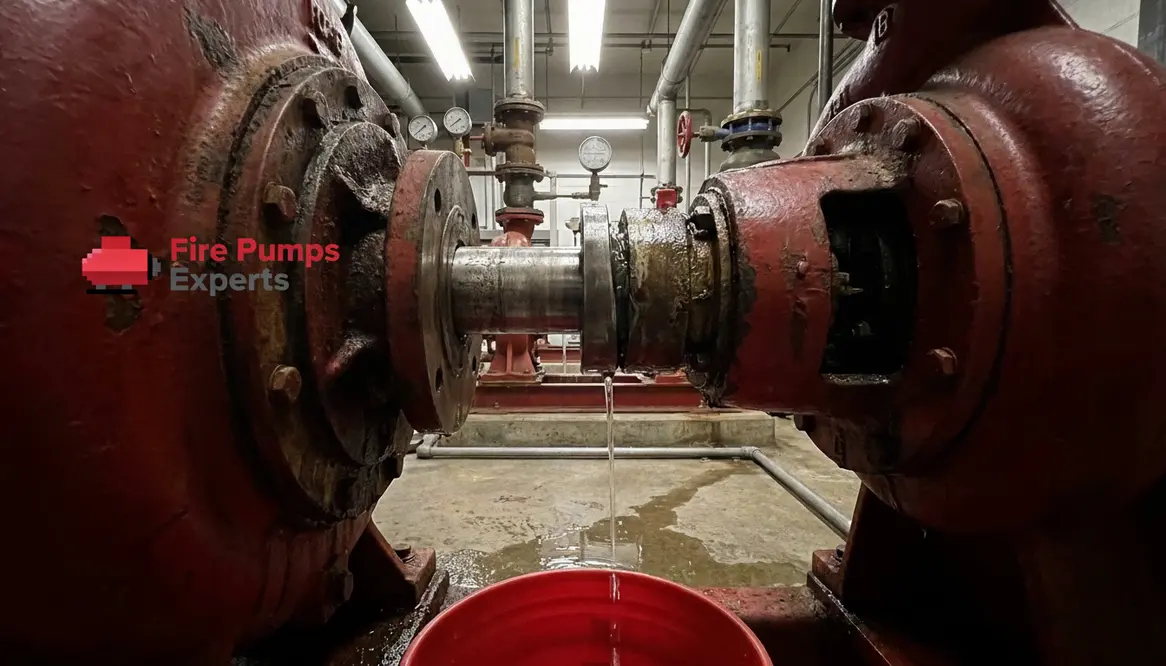
Fire Pump Packing Leaks Excessively: Technicians Check
When I walk into a mechanical room and spot fire pump packing leaking excessively, I do not panic, but I do pay attention. That drip can look small at first, yet it often points to a bigger story inside the pump. In a commercial or industrial facility, that story matters. A fire pump is not the place for guesswork, because the wrong move can turn a minor leak into a major headache. So I look closely, listen carefully, and follow the clues like a technician in a crime drama, except the villain is usually wear, heat, or poor setup.
Why fire pump packing leaks more than it should
First, I check the packing itself. Packing wears down over time, and that is normal. However, if the leak becomes heavy, I want to know whether the packing is too loose, too tight, or simply worn out. A loose set lets too much water escape, while a tight set can overheat the shaft and damage the seal area. That is a bad trade, kind of like ordering a giant sandwich and finding out the only filling is regret.
Next, I look at pump speed, vibration, and alignment. If the shaft wobbles, the packing cannot seal well for long. In addition, heat can harden the packing and make it fail faster. I also check if the pump has run dry or faced poor suction conditions. Those issues can make a leak worse, and they often tell me the packing is not the only problem in the room.
What I inspect first in a commercial fire pump room
When I arrive at a commercial or industrial site, I start with the basics. I want the full picture before I touch anything. Here is the usual order I follow:
Inspection checklist
- I check the drip rate and note whether it stays steady or changes under load.
- I inspect the gland follower to see if it sits evenly.
- I look for heat, noise, and vibration near the shaft.
- I review the packing condition for fray, glaze, or burn marks.
- I confirm that the shaft sleeve does not show deep wear.
- I verify that water flow, suction, and pressure match the design needs.
Then I compare what I see with how the pump should perform. If the leak shows up only during operation, that can be normal to a point. However, if the water pours out fast enough to make the floor look like a scene from a budget disaster movie, I know I need to keep digging.
How technicians judge whether the leak is normal
Here, the key is balance. Fire pump packing often needs a slight leak to cool and lubricate the shaft. That small drip is not failure. In fact, it can protect the equipment. Still, I want that leak controlled, not dramatic. If I can see a stream, I know the packing has crossed the line.
So I ask three simple questions. Is the pump still building proper pressure? Is the shaft running smooth? Is the leak staying in a safe range for this specific model and service condition? If the answer to any of those turns ugly, I know the packing needs service, adjustment, or replacement. Also, I never ignore repeated tightening. If someone keeps cranking down the gland like they are trying to open a jar from the underworld, the packing may fail faster.
Fire pump packing leaking excessively and the hidden causes technicians chase
Sometimes the packing gets blamed when the real issue lives nearby. That is why I check the surrounding system with care. I want to know whether the pump suffers from misalignment, pipe strain, bad bearings, or a damaged sleeve. Each one can push the packing past its limit.
Cause
Packing too tight
Packing too loose
Worn shaft sleeve
Vibration or misalignment
Poor suction conditions
What it usually tells me
Heat builds up and the shaft wears fast
Leak rate rises and seal control drops
Packing cannot hold a stable seal
Seal faces and packing rub unevenly
Pump stress increases and leak risk rises
As I see it, a leak often acts like a warning light on the dashboard. It does not always mean the engine is done for. However, it does mean I should look under the hood before the plot thickens.
How I fix excessive packing leakage without making things worse
When I service the pump, I work in small steps. First, I relieve the gland pressure little by little. Then I watch the drip change as the pump runs. If the leak stays high, I stop tightening and inspect the packing set, sleeve, and shaft surface. I never force the issue, because that often creates more damage than repair.
In many cases, I replace the packing with the correct type for fire pump service. I also clean the stuffing box, check the sleeve finish, and confirm proper alignment. After that, I test the pump again and watch the leakage rate during run time. A good repair does not just stop water loss. It keeps the pump ready for the job it was built to do, which is protecting major properties and critical facilities when things get serious.
I often recommend reviewing a trusted los angeles fire pump service guide for more context on system care. For related electrical support in large facilities, I also like the practical guidance from commercial electrical services for facilities. If your property uses sprinkler support systems too, the fire sprinkler service reference can help connect the bigger picture.
FAQ
Conclusion
If you notice fire pump packing leaking excessively, do not wait and hope it settles down like a sitcom problem in the final scene. I recommend a fast inspection, a careful adjustment, and a full look at the shaft, sleeve, and alignment. For commercial and industrial facilities, that kind of attention protects uptime and safety. If your system shows signs of trouble, contact a qualified fire pump technician today and get ahead of the leak before it grows legs.