Diesel Fire Pump Starts Hard After Sitting: What to Check
What Technicians Check When a Diesel Fire Pump Starts Hard After Sitting
When a diesel fire pump starts hard after sitting, I do not treat it like a small nuisance. I treat it like a warning with boots on. In commercial and industrial facilities, that pump may be the one thing standing between a small problem and a very expensive headline. So when it cranks slow, hesitates, or acts like it just woke up from a long nap, I go straight to the basics first. Because in this line of work, the pump never lies. It tells a story through fuel, batteries, air, and wear, and my job is to listen before the story turns ugly.
The good news is that most hard starts come from a few common causes. The better news is that a careful check can usually point to the real issue fast. So let me walk through what I inspect, why it matters, and how I narrow it down without playing mechanic roulette.
What I check first when a diesel fire pump starts hard after sitting
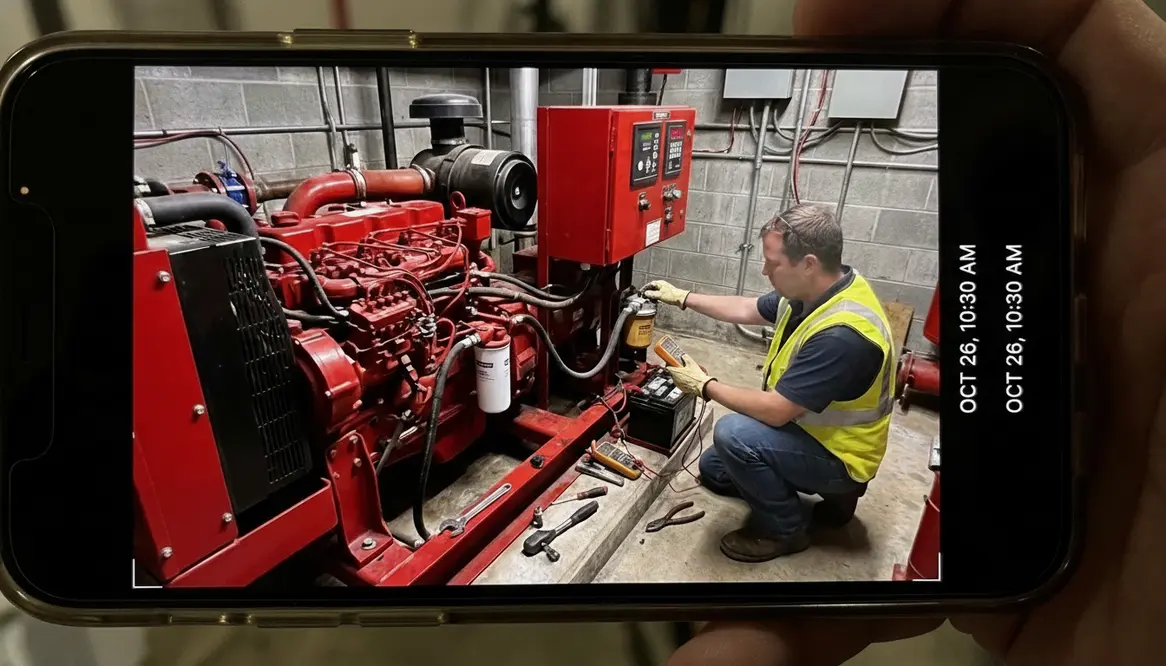
First, I look at the batteries and the starter system. A diesel fire pump can sit idle for long stretches, and batteries hate that with the passion of a villain in a summer blockbuster. If the battery voltage drops, the engine may crank slowly or fail to reach proper speed. I check the battery age, terminal tightness, corrosion, and charging system output. Then I test whether the starter draws too much power or struggles under load.
Next, I inspect the fuel supply. Old fuel, water in the tank, clogged filters, or air in the line can make the engine act stubborn. And yes, diesel can get moody. I verify that fuel reaches the injection system cleanly and at the right pressure. If the pump has sat long enough, I also look for leaks that let fuel drain back or air sneak in while the unit rests.
After that, I examine the oil level and coolant condition. Thin oil, dirty oil, or low coolant can make starting harder and can also point to deeper maintenance issues. I want the engine ready before it gets the call to action, not after it has already complained to the whole building.
How I test batteries, fuel, and controls with confidence
Battery checks
I test voltage at rest and during cranking. Then I check cable condition and confirm the charger works as it should.
Fuel checks
I sample fuel for water and dirt, inspect filters, and confirm the tank has clean fuel with proper flow.
That split view helps me move fast, but I still go deep. For example, a battery can show decent voltage and still fail under cranking load. Likewise, fuel can look fine at the tank and still cause trouble if a line has air pockets or a filter has started to choke the system. I do not stop at surface checks. I want proof.
I also inspect control settings and automatic start circuits. If the controller misreads the condition of the engine, the pump may crank too briefly or fail to engage properly. In a commercial or industrial setting, even a small control fault can turn into a big headache during an emergency. That is why I verify alarms, switches, and the starting sequence, not just the engine itself.
Why sitting changes the way the engine behaves
When a diesel fire pump sits unused, several things can happen at once. Moisture can collect. Fuel can degrade. Rubber parts can dry out. Connections can loosen from vibration and age. In short, stillness is not always peace; sometimes it is just a quiet way for trouble to build.
I often see hard starts caused by weak battery maintenance or stale fuel, but I also check for injector issues, blocked air filters, and sticky shutoff components. If the engine has not exercised on schedule, carbon and residue may settle where they should not. Then the first start after sitting feels rough, slow, or reluctant. Think of it like trying to sprint after a very long nap. Nobody wins that race gracefully.
This is why regular inspection matters so much for fire protection systems in major properties. A pump that works on paper is not enough. It has to start cleanly when the system needs it.
How I narrow down the real cause fast
At this point, I follow the evidence. If the battery load test fails, I focus there. If fuel pressure drops, I move to the lines, filters, and tank. If the engine cranks well but still will not catch, I look at air supply, injection timing, and control logic. I want to separate a power issue from a fuel issue from a mechanical issue.
I also listen closely during start attempts. Slow cranking, smoke color, uneven firing, or a brief start and stall all tell different stories. For example, white smoke may suggest incomplete combustion, while black smoke can point to too much fuel or poor air flow. So, I do not guess. I read the engine like a case file.
For facility managers who want a deeper service path, I often point them to our los angeles diesel fire pump service overview and our fire sprinkler system support for major properties. Both help tie pump reliability to the larger protection system. And if your building depends on electrical coordination as well, our reference at commercial electrical services for critical facilities can also help keep the whole setup steady.
What technicians recommend after the fix
Once I find the cause, I do not just patch it and leave. I recommend corrective steps that reduce the chance of the same issue coming back. That may include battery replacement, fuel polishing, filter changes, charger repair, line bleeding, or a scheduled engine exercise program. In some cases, I suggest a full review of the start circuit and maintenance log.
Just as important, I tell teams to document every hard start event. Patterns matter. If the pump starts hard every time after a long idle period, the root cause may sit in maintenance timing, not just one worn part. And if the system protects a commercial tower, warehouse, plant, or other major property, that pattern deserves attention now, not after the next alarm.
FAQ
Conclusion
If your diesel fire pump starts hard after sitting, I recommend acting fast and treating it like the warning it is. A strong pump protects people, property, and operations, especially in commercial and industrial buildings where downtime can cost real money. So, check the batteries, fuel, controls, and engine condition before the next start becomes a problem. If you want a deeper look, schedule a professional inspection and get ahead of failure while the system still gives you time.