First Signs of Poor Fire Pump Room Maintenance
What Technicians Notice First in a Poorly Maintained Fire Pump Room
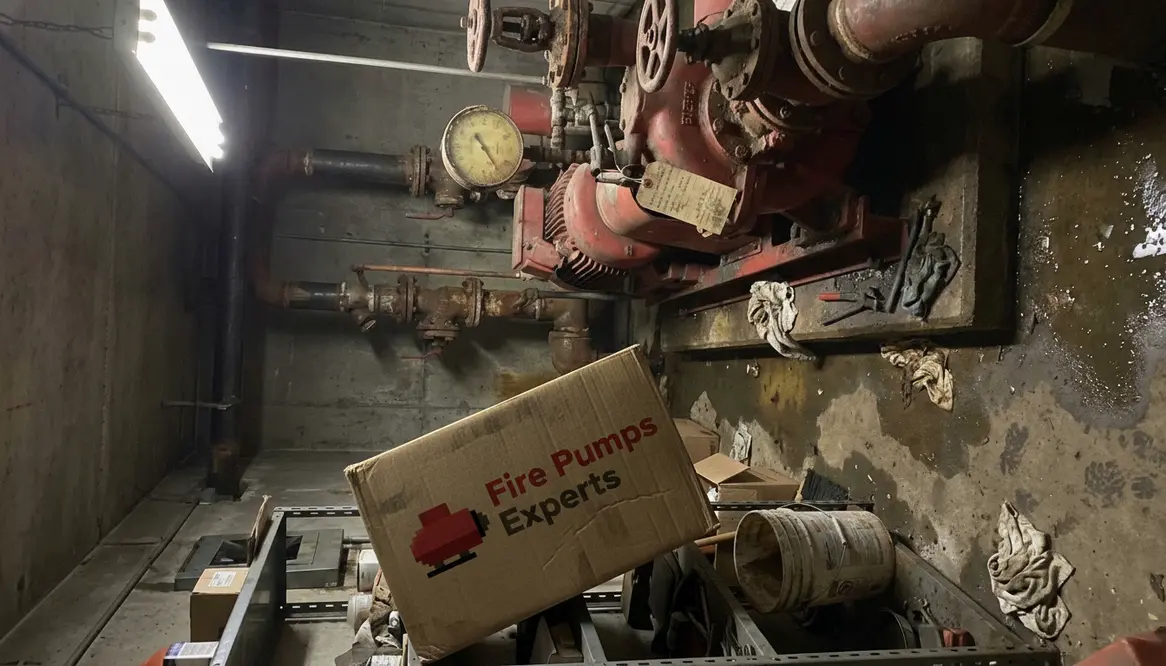
I have walked into enough fire pump rooms to know the signs fast. The air feels off. The floor looks busy in the wrong way. Then the real trouble shows up: leaks, clutter, rust, odd sounds, and controls that do not look ready for a test, let alone a fire. Those are the early signs of poor fire pump maintenance, and they usually tell the story before anyone touches a gauge. In a commercial or industrial facility, that story matters. A lot. Because when the pump room slips, the whole fire protection system can start acting like a movie extra who forgot the script.
In this article, I will break down what technicians notice first, why those clues matter, and how building teams can stay ahead of costly failures. I will keep it plain, practical, and a little human. After all, this is safety work, not a chess match with a smokey villain in the final scene.
What technicians see first when they open the fire pump room door
The first thing I notice is usually not the pump itself. It is the room around it. Technicians read the space like a report card. If the room is dirty, crowded, damp, or blocked, that often points to deeper care issues. For example, trash near the unit can hide a slow leak. Poor lighting can mask corrosion. Also, items stored too close to the pump can slow access during service or an emergency.
I also look at the general feel of the room. A clean, organized pump room tells me the facility takes the system seriously. However, a room full of random boxes, damp patches, and old rags tells me maintenance may happen only when someone has time, which is never a great plan for life safety equipment.
Signs of poor fire pump maintenance technicians spot in seconds
Once I move closer, the usual problem list starts to show itself. These signs of poor fire pump maintenance often appear fast:
- Rust on pipes, fittings, or the pump base: This can point to moisture issues or long term neglect.
- Leaks around seals, valves, or drains: Even a small drip can mean a worn part or a bigger pressure issue.
- Dust and grime on controls: That may sound minor, but it can hide warning lights, labels, and switch problems.
- Blocked access to panels or valves: If I cannot reach the equipment quickly, the room is already behind.
- Corroded battery terminals or control parts: Electrical trouble often starts with simple neglect.
These issues may seem small at first. Still, small issues in a fire pump room can grow faster than a bad sequel nobody asked for. And once a pump starts missing a beat, the building risks more than repairs. It risks response time, code trouble, and system failure when people need protection most. Those early signs of poor fire pump maintenance do not stay early for long.
Fire pump room inspection checklist for commercial and industrial buildings
When I inspect a fire pump room for a major property, I follow a simple order. First, I check the room conditions. Then I check the equipment condition. After that, I check the records. That flow helps me spot both visible and hidden trouble.
Room condition
I look for heat, moisture, dust, blocked paths, and poor lighting. I also check whether the room supports fast service access. If the space feels cramped or messy, maintenance may already be behind.
Equipment condition
I check for leaks, rust, loose fittings, worn belts, unusual noise, and signs that parts have not moved as they should. I also look at gauges and control settings. If something looks off, it usually is.
Records and testing
Finally, I check logs, test dates, and service notes. A well maintained fire pump room usually leaves a trail. If that trail is thin, missing, or outdated, I start asking questions. Good records help prove the system has been tested and cared for on schedule. For reference, many facilities compare their setup with trusted service resources like the los angeles fire pump service guide. In larger facilities, teams also review related systems through broader support from commercial electrical support and fire sprinkler service resources to keep the whole protection network in step.
Why small warning signs matter before a failure happens
Here is the part many people miss. A poorly maintained fire pump room rarely fails without hints. It gives off clues long before an alarm sounds. A weak seal today can become a major leak next month. A sticky switch can become a failure during a real event. Also, a dirty room can hide the very problem that would have been easy to fix early.
That is why technicians do not just look for broken parts. We look for patterns. If the room feels neglected, the system may be neglected too. If the same issue keeps coming back, the fix is likely only skin deep. And in a commercial or industrial setting, “good enough” is a risky phrase. It sounds nice until the pump refuses to perform like a diva on opening night.
When you spot signs of poor fire pump maintenance, it is not just about preventing a single repair. It is about protecting the chain of response time, reliable pressure, and dependable performance during an emergency. These clues keep showing up because reality keeps being reality.
FAQ
Conclusion
If you manage a commercial or industrial property, do not wait for a fire pump room problem to become a full crisis. I recommend you walk the room, check the basics, and schedule professional service at the first sign of trouble. The earlier you act, the easier the fix and the safer the building. If you want a better view of your system health, review your fire pump room now and bring in qualified help before the next inspection or emergency puts you on the spot. Catching signs of poor fire pump maintenance early keeps the whole protection system performing the way it is supposed to.