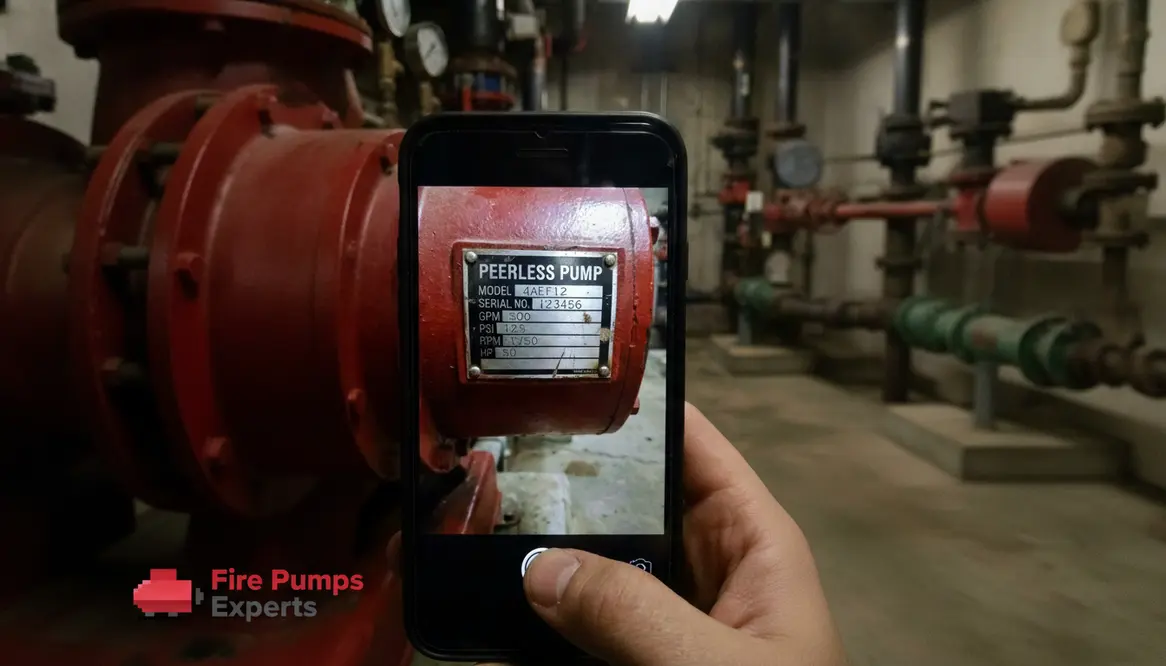
I photograph the fire pump nameplate because good service starts with solid facts. In commercial and industrial buildings, that small image helps me verify the system, catch issues early, and keep a clear history for the next visit. If you manage a major property, make this step part of every inspection. It takes little time, yet it adds real value. When your fire pump data stays clean, your whole service plan gets stronger, calmer, and far easier to trust. And that is the bottom line behind why record fire pump nameplate information is not optional when the stakes are real.
Because the nameplate photo is more than documentation. It is the reference that prevents repeat confusion, speeds up troubleshooting, and keeps maintenance decisions anchored to what the pump is actually built to do. That is why record fire pump nameplate information should stay consistent across every visit, every service file, and every follow-up.
FAQ
Conclusion
I photograph the fire pump nameplate because good service starts with solid facts. In commercial and industrial buildings, that small image helps me verify the system, catch issues early, and keep a clear history for the next visit. If you manage a major property, make this step part of every inspection. It takes little time, yet it adds real value. When your fire pump data stays clean, your whole service plan gets stronger, calmer, and far easier to trust. And that is the bottom line behind why record fire pump nameplate information is not optional when the stakes are real.
Because the nameplate photo is more than documentation. It is the reference that prevents repeat confusion, speeds up troubleshooting, and keeps maintenance decisions anchored to what the pump is actually built to do. That is why record fire pump nameplate information should stay consistent across every visit, every service file, and every follow-up.
How I Keep the Record Useful for the Next Technician
I think about the next person who opens that file. So, I label the photo clearly, add the date, and note the service context. Did I find wear? Did I replace a part? Did the pump pass testing or need follow up? That kind of detail turns a simple image into a useful record. It also helps major property teams maintain a clean history across multiple visits and multiple buildings. This approach is a big part of why record fire pump nameplate information stays valuable, not just interesting.
Because when someone comes back later, the nameplate does not have to be a scavenger hunt. The next technician can verify what should have been there, confirm whether anything changed, and move forward with confidence. The photo becomes the anchor point for the whole conversation, especially when questions pop up during maintenance, repair, or inspections.
FAQ
Conclusion
I photograph the fire pump nameplate because good service starts with solid facts. In commercial and industrial buildings, that small image helps me verify the system, catch issues early, and keep a clear history for the next visit. If you manage a major property, make this step part of every inspection. It takes little time, yet it adds real value. When your fire pump data stays clean, your whole service plan gets stronger, calmer, and far easier to trust. And that is the bottom line behind why record fire pump nameplate information is not optional when the stakes are real.
Because the nameplate photo is more than documentation. It is the reference that prevents repeat confusion, speeds up troubleshooting, and keeps maintenance decisions anchored to what the pump is actually built to do. That is why record fire pump nameplate information should stay consistent across every visit, every service file, and every follow-up.
In the middle of a service visit, I often use trusted resources to compare system standards and support work across related fire protection equipment. For teams that manage broader building systems, the commercial electrical services resource can also help keep the larger infrastructure aligned. And for fire pump support, I rely on proven guidance from the los angeles fire pump service page when I need a local point of reference for commercial sites. If a facility also needs sprinkler support, I may review the fire sprinkler service overview as part of a wider protection plan.
How I Keep the Record Useful for the Next Technician
I think about the next person who opens that file. So, I label the photo clearly, add the date, and note the service context. Did I find wear? Did I replace a part? Did the pump pass testing or need follow up? That kind of detail turns a simple image into a useful record. It also helps major property teams maintain a clean history across multiple visits and multiple buildings. This approach is a big part of why record fire pump nameplate information stays valuable, not just interesting.
Because when someone comes back later, the nameplate does not have to be a scavenger hunt. The next technician can verify what should have been there, confirm whether anything changed, and move forward with confidence. The photo becomes the anchor point for the whole conversation, especially when questions pop up during maintenance, repair, or inspections.
FAQ
Conclusion
I photograph the fire pump nameplate because good service starts with solid facts. In commercial and industrial buildings, that small image helps me verify the system, catch issues early, and keep a clear history for the next visit. If you manage a major property, make this step part of every inspection. It takes little time, yet it adds real value. When your fire pump data stays clean, your whole service plan gets stronger, calmer, and far easier to trust. And that is the bottom line behind why record fire pump nameplate information is not optional when the stakes are real.
Because the nameplate photo is more than documentation. It is the reference that prevents repeat confusion, speeds up troubleshooting, and keeps maintenance decisions anchored to what the pump is actually built to do. That is why record fire pump nameplate information should stay consistent across every visit, every service file, and every follow-up.
I use the nameplate photo as a reference tool, and it pays off fast. If a pump struggles during testing, I can check the recorded data and see whether the unit even matches the job it must do. Sometimes the numbers explain everything. Other times, they point me toward a deeper inspection. For example, a pump may still run, but the plate may show it is not the right fit for the current system demand. That is where the photo becomes more than a picture. It becomes a clue.
It also helps when I work with building owners, facility teams, or other technicians. I can share the image and avoid long phone calls full of “I think it was this one” and “maybe that tag was faded.” I prefer facts over guesswork. Guesswork belongs in game shows, not in fire protection. When the nameplate is documented, troubleshooting gets quicker, calmer, and more accurate.
What I Check Beyond the Nameplate
After I photograph the nameplate, I do not stop there. I inspect the surrounding area, look for leaks, check labels, and confirm the pump room condition. I want the whole setup to make sense. A clear nameplate means little if the pump sits in a room with blocked access or signs of neglect. So I pair the photo with a full visual check and service notes.
In the middle of a service visit, I often use trusted resources to compare system standards and support work across related fire protection equipment. For teams that manage broader building systems, the commercial electrical services resource can also help keep the larger infrastructure aligned. And for fire pump support, I rely on proven guidance from the los angeles fire pump service page when I need a local point of reference for commercial sites. If a facility also needs sprinkler support, I may review the fire sprinkler service overview as part of a wider protection plan.
How I Keep the Record Useful for the Next Technician
I think about the next person who opens that file. So, I label the photo clearly, add the date, and note the service context. Did I find wear? Did I replace a part? Did the pump pass testing or need follow up? That kind of detail turns a simple image into a useful record. It also helps major property teams maintain a clean history across multiple visits and multiple buildings. This approach is a big part of why record fire pump nameplate information stays valuable, not just interesting.
Because when someone comes back later, the nameplate does not have to be a scavenger hunt. The next technician can verify what should have been there, confirm whether anything changed, and move forward with confidence. The photo becomes the anchor point for the whole conversation, especially when questions pop up during maintenance, repair, or inspections.
FAQ
Conclusion
I photograph the fire pump nameplate because good service starts with solid facts. In commercial and industrial buildings, that small image helps me verify the system, catch issues early, and keep a clear history for the next visit. If you manage a major property, make this step part of every inspection. It takes little time, yet it adds real value. When your fire pump data stays clean, your whole service plan gets stronger, calmer, and far easier to trust. And that is the bottom line behind why record fire pump nameplate information is not optional when the stakes are real.
Because the nameplate photo is more than documentation. It is the reference that prevents repeat confusion, speeds up troubleshooting, and keeps maintenance decisions anchored to what the pump is actually built to do. That is why record fire pump nameplate information should stay consistent across every visit, every service file, and every follow-up.
How the Photo Helps Me Spot Problems Faster
I use the nameplate photo as a reference tool, and it pays off fast. If a pump struggles during testing, I can check the recorded data and see whether the unit even matches the job it must do. Sometimes the numbers explain everything. Other times, they point me toward a deeper inspection. For example, a pump may still run, but the plate may show it is not the right fit for the current system demand. That is where the photo becomes more than a picture. It becomes a clue.
It also helps when I work with building owners, facility teams, or other technicians. I can share the image and avoid long phone calls full of “I think it was this one” and “maybe that tag was faded.” I prefer facts over guesswork. Guesswork belongs in game shows, not in fire protection. When the nameplate is documented, troubleshooting gets quicker, calmer, and more accurate.
What I Check Beyond the Nameplate
After I photograph the nameplate, I do not stop there. I inspect the surrounding area, look for leaks, check labels, and confirm the pump room condition. I want the whole setup to make sense. A clear nameplate means little if the pump sits in a room with blocked access or signs of neglect. So I pair the photo with a full visual check and service notes.
In the middle of a service visit, I often use trusted resources to compare system standards and support work across related fire protection equipment. For teams that manage broader building systems, the commercial electrical services resource can also help keep the larger infrastructure aligned. And for fire pump support, I rely on proven guidance from the los angeles fire pump service page when I need a local point of reference for commercial sites. If a facility also needs sprinkler support, I may review the fire sprinkler service overview as part of a wider protection plan.
How I Keep the Record Useful for the Next Technician
I think about the next person who opens that file. So, I label the photo clearly, add the date, and note the service context. Did I find wear? Did I replace a part? Did the pump pass testing or need follow up? That kind of detail turns a simple image into a useful record. It also helps major property teams maintain a clean history across multiple visits and multiple buildings. This approach is a big part of why record fire pump nameplate information stays valuable, not just interesting.
Because when someone comes back later, the nameplate does not have to be a scavenger hunt. The next technician can verify what should have been there, confirm whether anything changed, and move forward with confidence. The photo becomes the anchor point for the whole conversation, especially when questions pop up during maintenance, repair, or inspections.
FAQ
Conclusion
I photograph the fire pump nameplate because good service starts with solid facts. In commercial and industrial buildings, that small image helps me verify the system, catch issues early, and keep a clear history for the next visit. If you manage a major property, make this step part of every inspection. It takes little time, yet it adds real value. When your fire pump data stays clean, your whole service plan gets stronger, calmer, and far easier to trust. And that is the bottom line behind why record fire pump nameplate information is not optional when the stakes are real.
Because the nameplate photo is more than documentation. It is the reference that prevents repeat confusion, speeds up troubleshooting, and keeps maintenance decisions anchored to what the pump is actually built to do. That is why record fire pump nameplate information should stay consistent across every visit, every service file, and every follow-up.
Here is what I want from the photo and notes:
Exact pump model and size
Rated flow and pressure
Serial number and manufacturer data
Motor or driver details
Any signs of damage, rust, or missing tags
With that record in hand, I can compare service visits over time. Therefore, I can catch small issues before they grow teeth. In commercial and industrial settings, that kind of early warning matters a lot. And yes, that is part of the reason why record fire pump nameplate information stays on my checklist every single time.
How the Photo Helps Me Spot Problems Faster
I use the nameplate photo as a reference tool, and it pays off fast. If a pump struggles during testing, I can check the recorded data and see whether the unit even matches the job it must do. Sometimes the numbers explain everything. Other times, they point me toward a deeper inspection. For example, a pump may still run, but the plate may show it is not the right fit for the current system demand. That is where the photo becomes more than a picture. It becomes a clue.
It also helps when I work with building owners, facility teams, or other technicians. I can share the image and avoid long phone calls full of “I think it was this one” and “maybe that tag was faded.” I prefer facts over guesswork. Guesswork belongs in game shows, not in fire protection. When the nameplate is documented, troubleshooting gets quicker, calmer, and more accurate.
What I Check Beyond the Nameplate
After I photograph the nameplate, I do not stop there. I inspect the surrounding area, look for leaks, check labels, and confirm the pump room condition. I want the whole setup to make sense. A clear nameplate means little if the pump sits in a room with blocked access or signs of neglect. So I pair the photo with a full visual check and service notes.
In the middle of a service visit, I often use trusted resources to compare system standards and support work across related fire protection equipment. For teams that manage broader building systems, the commercial electrical services resource can also help keep the larger infrastructure aligned. And for fire pump support, I rely on proven guidance from the los angeles fire pump service page when I need a local point of reference for commercial sites. If a facility also needs sprinkler support, I may review the fire sprinkler service overview as part of a wider protection plan.
How I Keep the Record Useful for the Next Technician
I think about the next person who opens that file. So, I label the photo clearly, add the date, and note the service context. Did I find wear? Did I replace a part? Did the pump pass testing or need follow up? That kind of detail turns a simple image into a useful record. It also helps major property teams maintain a clean history across multiple visits and multiple buildings. This approach is a big part of why record fire pump nameplate information stays valuable, not just interesting.
Because when someone comes back later, the nameplate does not have to be a scavenger hunt. The next technician can verify what should have been there, confirm whether anything changed, and move forward with confidence. The photo becomes the anchor point for the whole conversation, especially when questions pop up during maintenance, repair, or inspections.
FAQ
Conclusion
I photograph the fire pump nameplate because good service starts with solid facts. In commercial and industrial buildings, that small image helps me verify the system, catch issues early, and keep a clear history for the next visit. If you manage a major property, make this step part of every inspection. It takes little time, yet it adds real value. When your fire pump data stays clean, your whole service plan gets stronger, calmer, and far easier to trust. And that is the bottom line behind why record fire pump nameplate information is not optional when the stakes are real.
Because the nameplate photo is more than documentation. It is the reference that prevents repeat confusion, speeds up troubleshooting, and keeps maintenance decisions anchored to what the pump is actually built to do. That is why record fire pump nameplate information should stay consistent across every visit, every service file, and every follow-up.
When I record fire pump nameplate information, I help build a service history that stays useful long after I leave the site. A good photo and clear notes make it easier to track wear, confirm compliance, and spot changes that may point to trouble. For example, if I see a mismatch between the nameplate and the test sheet, I know I need to look closer. That can reveal a replacement part, a changed motor, or even a pump that was installed without the right paperwork. Nobody likes a mystery in a fire pump room. This is not a Marvel plot twist.
Here is what I want from the photo and notes:
Exact pump model and size
Rated flow and pressure
Serial number and manufacturer data
Motor or driver details
Any signs of damage, rust, or missing tags
With that record in hand, I can compare service visits over time. Therefore, I can catch small issues before they grow teeth. In commercial and industrial settings, that kind of early warning matters a lot. And yes, that is part of the reason why record fire pump nameplate information stays on my checklist every single time.
How the Photo Helps Me Spot Problems Faster
I use the nameplate photo as a reference tool, and it pays off fast. If a pump struggles during testing, I can check the recorded data and see whether the unit even matches the job it must do. Sometimes the numbers explain everything. Other times, they point me toward a deeper inspection. For example, a pump may still run, but the plate may show it is not the right fit for the current system demand. That is where the photo becomes more than a picture. It becomes a clue.
It also helps when I work with building owners, facility teams, or other technicians. I can share the image and avoid long phone calls full of “I think it was this one” and “maybe that tag was faded.” I prefer facts over guesswork. Guesswork belongs in game shows, not in fire protection. When the nameplate is documented, troubleshooting gets quicker, calmer, and more accurate.
What I Check Beyond the Nameplate
After I photograph the nameplate, I do not stop there. I inspect the surrounding area, look for leaks, check labels, and confirm the pump room condition. I want the whole setup to make sense. A clear nameplate means little if the pump sits in a room with blocked access or signs of neglect. So I pair the photo with a full visual check and service notes.
In the middle of a service visit, I often use trusted resources to compare system standards and support work across related fire protection equipment. For teams that manage broader building systems, the commercial electrical services resource can also help keep the larger infrastructure aligned. And for fire pump support, I rely on proven guidance from the los angeles fire pump service page when I need a local point of reference for commercial sites. If a facility also needs sprinkler support, I may review the fire sprinkler service overview as part of a wider protection plan.
How I Keep the Record Useful for the Next Technician
I think about the next person who opens that file. So, I label the photo clearly, add the date, and note the service context. Did I find wear? Did I replace a part? Did the pump pass testing or need follow up? That kind of detail turns a simple image into a useful record. It also helps major property teams maintain a clean history across multiple visits and multiple buildings. This approach is a big part of why record fire pump nameplate information stays valuable, not just interesting.
Because when someone comes back later, the nameplate does not have to be a scavenger hunt. The next technician can verify what should have been there, confirm whether anything changed, and move forward with confidence. The photo becomes the anchor point for the whole conversation, especially when questions pop up during maintenance, repair, or inspections.
FAQ
Conclusion
I photograph the fire pump nameplate because good service starts with solid facts. In commercial and industrial buildings, that small image helps me verify the system, catch issues early, and keep a clear history for the next visit. If you manage a major property, make this step part of every inspection. It takes little time, yet it adds real value. When your fire pump data stays clean, your whole service plan gets stronger, calmer, and far easier to trust. And that is the bottom line behind why record fire pump nameplate information is not optional when the stakes are real.
Because the nameplate photo is more than documentation. It is the reference that prevents repeat confusion, speeds up troubleshooting, and keeps maintenance decisions anchored to what the pump is actually built to do. That is why record fire pump nameplate information should stay consistent across every visit, every service file, and every follow-up.
Why Record Fire Pump Nameplate Information During Every Visit
When I record fire pump nameplate information, I help build a service history that stays useful long after I leave the site. A good photo and clear notes make it easier to track wear, confirm compliance, and spot changes that may point to trouble. For example, if I see a mismatch between the nameplate and the test sheet, I know I need to look closer. That can reveal a replacement part, a changed motor, or even a pump that was installed without the right paperwork. Nobody likes a mystery in a fire pump room. This is not a Marvel plot twist.
Here is what I want from the photo and notes:
Exact pump model and size
Rated flow and pressure
Serial number and manufacturer data
Motor or driver details
Any signs of damage, rust, or missing tags
With that record in hand, I can compare service visits over time. Therefore, I can catch small issues before they grow teeth. In commercial and industrial settings, that kind of early warning matters a lot. And yes, that is part of the reason why record fire pump nameplate information stays on my checklist every single time.
How the Photo Helps Me Spot Problems Faster
I use the nameplate photo as a reference tool, and it pays off fast. If a pump struggles during testing, I can check the recorded data and see whether the unit even matches the job it must do. Sometimes the numbers explain everything. Other times, they point me toward a deeper inspection. For example, a pump may still run, but the plate may show it is not the right fit for the current system demand. That is where the photo becomes more than a picture. It becomes a clue.
It also helps when I work with building owners, facility teams, or other technicians. I can share the image and avoid long phone calls full of “I think it was this one” and “maybe that tag was faded.” I prefer facts over guesswork. Guesswork belongs in game shows, not in fire protection. When the nameplate is documented, troubleshooting gets quicker, calmer, and more accurate.
What I Check Beyond the Nameplate
After I photograph the nameplate, I do not stop there. I inspect the surrounding area, look for leaks, check labels, and confirm the pump room condition. I want the whole setup to make sense. A clear nameplate means little if the pump sits in a room with blocked access or signs of neglect. So I pair the photo with a full visual check and service notes.
In the middle of a service visit, I often use trusted resources to compare system standards and support work across related fire protection equipment. For teams that manage broader building systems, the commercial electrical services resource can also help keep the larger infrastructure aligned. And for fire pump support, I rely on proven guidance from the los angeles fire pump service page when I need a local point of reference for commercial sites. If a facility also needs sprinkler support, I may review the fire sprinkler service overview as part of a wider protection plan.
How I Keep the Record Useful for the Next Technician
I think about the next person who opens that file. So, I label the photo clearly, add the date, and note the service context. Did I find wear? Did I replace a part? Did the pump pass testing or need follow up? That kind of detail turns a simple image into a useful record. It also helps major property teams maintain a clean history across multiple visits and multiple buildings. This approach is a big part of why record fire pump nameplate information stays valuable, not just interesting.
Because when someone comes back later, the nameplate does not have to be a scavenger hunt. The next technician can verify what should have been there, confirm whether anything changed, and move forward with confidence. The photo becomes the anchor point for the whole conversation, especially when questions pop up during maintenance, repair, or inspections.
FAQ
Conclusion
I photograph the fire pump nameplate because good service starts with solid facts. In commercial and industrial buildings, that small image helps me verify the system, catch issues early, and keep a clear history for the next visit. If you manage a major property, make this step part of every inspection. It takes little time, yet it adds real value. When your fire pump data stays clean, your whole service plan gets stronger, calmer, and far easier to trust. And that is the bottom line behind why record fire pump nameplate information is not optional when the stakes are real.
Because the nameplate photo is more than documentation. It is the reference that prevents repeat confusion, speeds up troubleshooting, and keeps maintenance decisions anchored to what the pump is actually built to do. That is why record fire pump nameplate information should stay consistent across every visit, every service file, and every follow-up.
Why I Photograph the Nameplate First
I start with the nameplate because it gives me the facts before I touch anything else. It tells me what the pump should do, not what someone hopes it does. That matters in major properties where the system must support real demand, not guesswork. If I skip this step, I might miss a wrong speed, an old impeller size, or a pump that no longer matches the plan. And yes, that is the kind of surprise nobody wants, unless they enjoy paperwork with a side of panic.
Also, the photo creates a clean record. Later, when I compare service notes, test results, or upgrade plans, I can match the exact pump data in seconds. That saves time, cuts confusion, and helps me work with more confidence. In a field where details can save the day, the nameplate is not a formality. It is the opening scene.
Why Record Fire Pump Nameplate Information During Every Visit
When I record fire pump nameplate information, I help build a service history that stays useful long after I leave the site. A good photo and clear notes make it easier to track wear, confirm compliance, and spot changes that may point to trouble. For example, if I see a mismatch between the nameplate and the test sheet, I know I need to look closer. That can reveal a replacement part, a changed motor, or even a pump that was installed without the right paperwork. Nobody likes a mystery in a fire pump room. This is not a Marvel plot twist.
Here is what I want from the photo and notes:
Exact pump model and size
Rated flow and pressure
Serial number and manufacturer data
Motor or driver details
Any signs of damage, rust, or missing tags
With that record in hand, I can compare service visits over time. Therefore, I can catch small issues before they grow teeth. In commercial and industrial settings, that kind of early warning matters a lot. And yes, that is part of the reason why record fire pump nameplate information stays on my checklist every single time.
How the Photo Helps Me Spot Problems Faster
I use the nameplate photo as a reference tool, and it pays off fast. If a pump struggles during testing, I can check the recorded data and see whether the unit even matches the job it must do. Sometimes the numbers explain everything. Other times, they point me toward a deeper inspection. For example, a pump may still run, but the plate may show it is not the right fit for the current system demand. That is where the photo becomes more than a picture. It becomes a clue.
It also helps when I work with building owners, facility teams, or other technicians. I can share the image and avoid long phone calls full of “I think it was this one” and “maybe that tag was faded.” I prefer facts over guesswork. Guesswork belongs in game shows, not in fire protection. When the nameplate is documented, troubleshooting gets quicker, calmer, and more accurate.
What I Check Beyond the Nameplate
After I photograph the nameplate, I do not stop there. I inspect the surrounding area, look for leaks, check labels, and confirm the pump room condition. I want the whole setup to make sense. A clear nameplate means little if the pump sits in a room with blocked access or signs of neglect. So I pair the photo with a full visual check and service notes.
In the middle of a service visit, I often use trusted resources to compare system standards and support work across related fire protection equipment. For teams that manage broader building systems, the commercial electrical services resource can also help keep the larger infrastructure aligned. And for fire pump support, I rely on proven guidance from the los angeles fire pump service page when I need a local point of reference for commercial sites. If a facility also needs sprinkler support, I may review the fire sprinkler service overview as part of a wider protection plan.
How I Keep the Record Useful for the Next Technician
I think about the next person who opens that file. So, I label the photo clearly, add the date, and note the service context. Did I find wear? Did I replace a part? Did the pump pass testing or need follow up? That kind of detail turns a simple image into a useful record. It also helps major property teams maintain a clean history across multiple visits and multiple buildings. This approach is a big part of why record fire pump nameplate information stays valuable, not just interesting.
Because when someone comes back later, the nameplate does not have to be a scavenger hunt. The next technician can verify what should have been there, confirm whether anything changed, and move forward with confidence. The photo becomes the anchor point for the whole conversation, especially when questions pop up during maintenance, repair, or inspections.
FAQ
Conclusion
I photograph the fire pump nameplate because good service starts with solid facts. In commercial and industrial buildings, that small image helps me verify the system, catch issues early, and keep a clear history for the next visit. If you manage a major property, make this step part of every inspection. It takes little time, yet it adds real value. When your fire pump data stays clean, your whole service plan gets stronger, calmer, and far easier to trust. And that is the bottom line behind why record fire pump nameplate information is not optional when the stakes are real.
Because the nameplate photo is more than documentation. It is the reference that prevents repeat confusion, speeds up troubleshooting, and keeps maintenance decisions anchored to what the pump is actually built to do. That is why record fire pump nameplate information should stay consistent across every visit, every service file, and every follow-up.
Nameplate Photo for Fire Pump Service Records
When I step into a pump room, I do not just look at the fire pump and call it a day. I photograph the nameplate, because that small metal tag can tell me a big story. It holds the model, rating, serial data, and other details I need to keep the system honest. That is why record fire pump nameplate information matters so much during service. In commercial and industrial facilities, where a mistake can cost time, money, and safety, I treat that photo like a hard truth. The pump may be quiet, but the nameplate still speaks.
Why I Photograph the Nameplate First
I start with the nameplate because it gives me the facts before I touch anything else. It tells me what the pump should do, not what someone hopes it does. That matters in major properties where the system must support real demand, not guesswork. If I skip this step, I might miss a wrong speed, an old impeller size, or a pump that no longer matches the plan. And yes, that is the kind of surprise nobody wants, unless they enjoy paperwork with a side of panic.
Also, the photo creates a clean record. Later, when I compare service notes, test results, or upgrade plans, I can match the exact pump data in seconds. That saves time, cuts confusion, and helps me work with more confidence. In a field where details can save the day, the nameplate is not a formality. It is the opening scene.
Why Record Fire Pump Nameplate Information During Every Visit
When I record fire pump nameplate information, I help build a service history that stays useful long after I leave the site. A good photo and clear notes make it easier to track wear, confirm compliance, and spot changes that may point to trouble. For example, if I see a mismatch between the nameplate and the test sheet, I know I need to look closer. That can reveal a replacement part, a changed motor, or even a pump that was installed without the right paperwork. Nobody likes a mystery in a fire pump room. This is not a Marvel plot twist.
Here is what I want from the photo and notes:
Exact pump model and size
Rated flow and pressure
Serial number and manufacturer data
Motor or driver details
Any signs of damage, rust, or missing tags
With that record in hand, I can compare service visits over time. Therefore, I can catch small issues before they grow teeth. In commercial and industrial settings, that kind of early warning matters a lot. And yes, that is part of the reason why record fire pump nameplate information stays on my checklist every single time.
How the Photo Helps Me Spot Problems Faster
I use the nameplate photo as a reference tool, and it pays off fast. If a pump struggles during testing, I can check the recorded data and see whether the unit even matches the job it must do. Sometimes the numbers explain everything. Other times, they point me toward a deeper inspection. For example, a pump may still run, but the plate may show it is not the right fit for the current system demand. That is where the photo becomes more than a picture. It becomes a clue.
It also helps when I work with building owners, facility teams, or other technicians. I can share the image and avoid long phone calls full of “I think it was this one” and “maybe that tag was faded.” I prefer facts over guesswork. Guesswork belongs in game shows, not in fire protection. When the nameplate is documented, troubleshooting gets quicker, calmer, and more accurate.
What I Check Beyond the Nameplate
After I photograph the nameplate, I do not stop there. I inspect the surrounding area, look for leaks, check labels, and confirm the pump room condition. I want the whole setup to make sense. A clear nameplate means little if the pump sits in a room with blocked access or signs of neglect. So I pair the photo with a full visual check and service notes.
In the middle of a service visit, I often use trusted resources to compare system standards and support work across related fire protection equipment. For teams that manage broader building systems, the commercial electrical services resource can also help keep the larger infrastructure aligned. And for fire pump support, I rely on proven guidance from the los angeles fire pump service page when I need a local point of reference for commercial sites. If a facility also needs sprinkler support, I may review the fire sprinkler service overview as part of a wider protection plan.
How I Keep the Record Useful for the Next Technician
I think about the next person who opens that file. So, I label the photo clearly, add the date, and note the service context. Did I find wear? Did I replace a part? Did the pump pass testing or need follow up? That kind of detail turns a simple image into a useful record. It also helps major property teams maintain a clean history across multiple visits and multiple buildings. This approach is a big part of why record fire pump nameplate information stays valuable, not just interesting.
Because when someone comes back later, the nameplate does not have to be a scavenger hunt. The next technician can verify what should have been there, confirm whether anything changed, and move forward with confidence. The photo becomes the anchor point for the whole conversation, especially when questions pop up during maintenance, repair, or inspections.
FAQ
Conclusion
I photograph the fire pump nameplate because good service starts with solid facts. In commercial and industrial buildings, that small image helps me verify the system, catch issues early, and keep a clear history for the next visit. If you manage a major property, make this step part of every inspection. It takes little time, yet it adds real value. When your fire pump data stays clean, your whole service plan gets stronger, calmer, and far easier to trust. And that is the bottom line behind why record fire pump nameplate information is not optional when the stakes are real.
Because the nameplate photo is more than documentation. It is the reference that prevents repeat confusion, speeds up troubleshooting, and keeps maintenance decisions anchored to what the pump is actually built to do. That is why record fire pump nameplate information should stay consistent across every visit, every service file, and every follow-up.