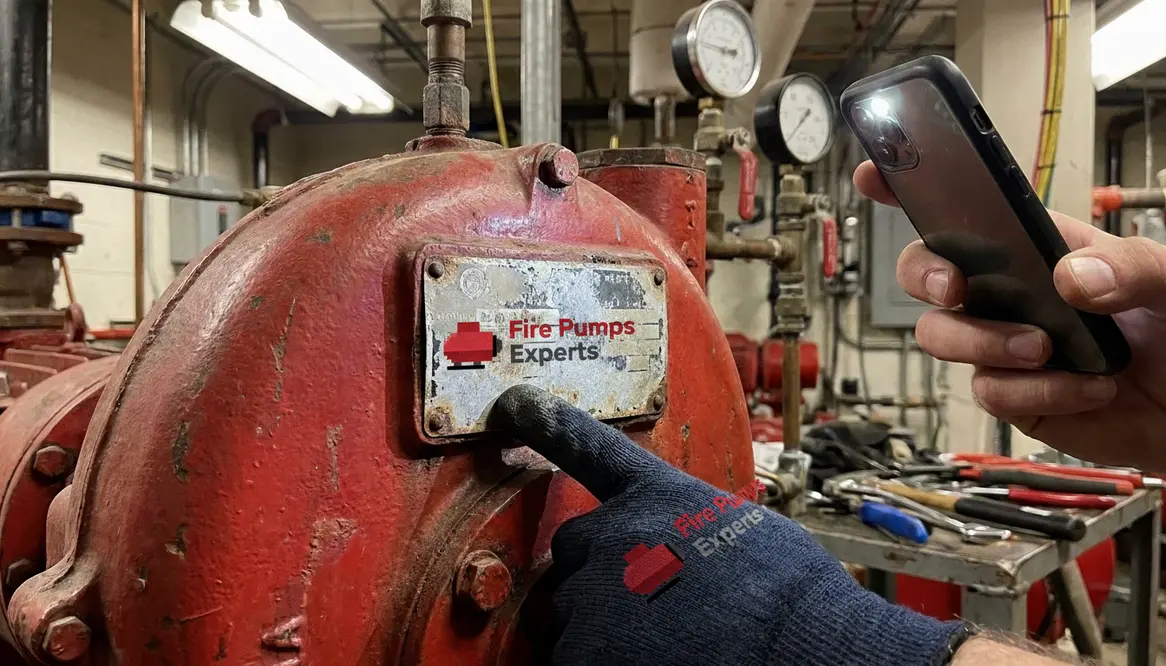
What Technicians Do When Fire Pump Nameplate Unreadable
When I walk into a commercial plant, a hospital, or a high rise mechanical room, I know one small plate can change the whole job. If the fire pump nameplate is faded, painted over, bent, or simply missing, then the first question is fire pump nameplate unreadable what to do. That is not just a paperwork problem. It affects compliance, testing, repairs, and the safety of the whole building. So, I take it step by step, like a calm drumbeat in a tense scene from a movie where nobody wants the sprinkler guy to be the hero, but here we are.
First things I check on site
I start with the basics. I inspect the pump body, motor or engine, controller, coupling, and piping for any marks, stamped numbers, or old service labels. Then I look for the system records in the mechanical room, the fire alarm panel room, and the building maintenance files. Often, I can match the pump to a prior inspection report or a service tag. If the building has changed hands, I also ask for commissioning records, cut sheets, and shop drawings. Those papers may look boring, but they can save the day faster than a superhero suit with a clipboard.
Next, I confirm the pump type and use. In commercial and industrial sites, that means I check whether it is electric, diesel, or split case, and whether it supports a large fire protection system. I also note the building size and risk level. That helps me avoid guesswork and keeps the work tied to code and real field conditions, not wishful thinking.
How I identify the fire pump without the nameplate
If the nameplate is unreadable, I do not guess. Instead, I build the identity from several clues. I compare the pump casing shape, suction and discharge sizes, driver model, controller brand, and speed rating. I also check the flow path and the arrangement of valves and gauges. In many cases, those details point me to the exact model family.
Here is the short version of what I use:
What I look at
Pump casing design, driver type, controller label, shaft setup, discharge size, and any stamped serial marks.
What I compare it with
Old reports, equipment schedules, cut sheets, service logs, and manufacturer data from similar units.
Sometimes the answer comes from the motor or diesel engine tag, not the pump tag. Other times, I trace the installation history through the fire protection contractor or the property manager. That is why I treat every clue like part of a puzzle, not a one item show. If you want a wider service context, I also use resources like Los Angeles fire pump service support and the commercial electrical service team when a system needs both power and fire protection coordination.
https://kordfire.com/fire-pump/ and https://kordelectric.com/ when a system needs both power and fire protection coordination.
What I do when records are missing
If the records do not exist, I move into verification mode. I measure key dimensions, document the full setup with photos, and note every visible marking. Then I check the rated flow and pressure against the rest of the system. This matters because a fire pump that looks fine on the outside can still be the wrong size, the wrong speed, or the wrong match for the building. In a major property, that can turn into a costly headache fast, and nobody wants that kind of surprise at three in the morning.
I also coordinate with the AHJ, the facility team, and sometimes the original manufacturer. If needed, I request a field label update or a formal replacement nameplate. However, I only do that after I have enough proof to support the data. I keep the process clean, because a guessed plate is worse than no plate at all.
Why this matters for compliance and safety
A readable nameplate helps me prove the pump matches the approved design. It also supports testing, repair work, and future inspections. Without it, the facility may face delays, failed documentation, or even questions during a code review. For commercial and industrial buildings, that risk can affect insurance, operations, and life safety at the same time.
So, I do not treat this as a small label issue. I treat it as a system issue. If the pump cannot be properly identified, then the whole fire protection plan needs a closer look. I also check related equipment, because a missing plate may signal poor maintenance elsewhere. For example, if the fire pump label is unreadable, the controller, jockey pump, or transfer switch may need attention too. That is where a full inspection from a fire protection specialist pays off. For larger sites, I often review the broader system through commercial sprinkler services support so the pump does not get treated like an island in the middle of the mechanical room.
https://kordfire.com.au/australian-fire-sprinkler-services/ so the pump does not get treated like an island in the middle of the mechanical room.
How I fix the problem for the long term
Once I identify the unit, I make sure the building has a clear replacement nameplate or updated equipment record. I also advise the owner to keep digital copies of all pump data, inspection reports, and repair history in one place. That way, the next technician does not have to play detective with a flashlight and a fading memory. I may sound dramatic, but in fire protection, neat records are a quiet kind of power.
For high value facilities, I recommend a yearly review of all visible identification tags. Paint, heat, moisture, and vibration can wreck a nameplate over time. Therefore, regular checks help stop the same problem from returning. A few minutes of prevention can save a whole lot of confusion later. When the question comes back as fire pump nameplate unreadable what to do, you want the answer to be a procedure that already exists, not a brand new puzzle.
FAQ
Quick answers for that moment when someone says fire pump nameplate unreadable what to do like it is an emergency siren. Here is the calm, practical version.
Conclusion
If I find a fire pump nameplate that I cannot read, I do not rush and I do not guess. I verify the unit, confirm the records, and protect the building from bad data. That is the smart path for commercial and industrial properties. If your facility has a faded or missing pump plate, now is the time to act. Bring in a fire protection professional, confirm the equipment, and restore clear documentation before the next inspection arrives. And when the question returns as fire pump nameplate unreadable what to do, the process you already followed should make the answer quick and confident.