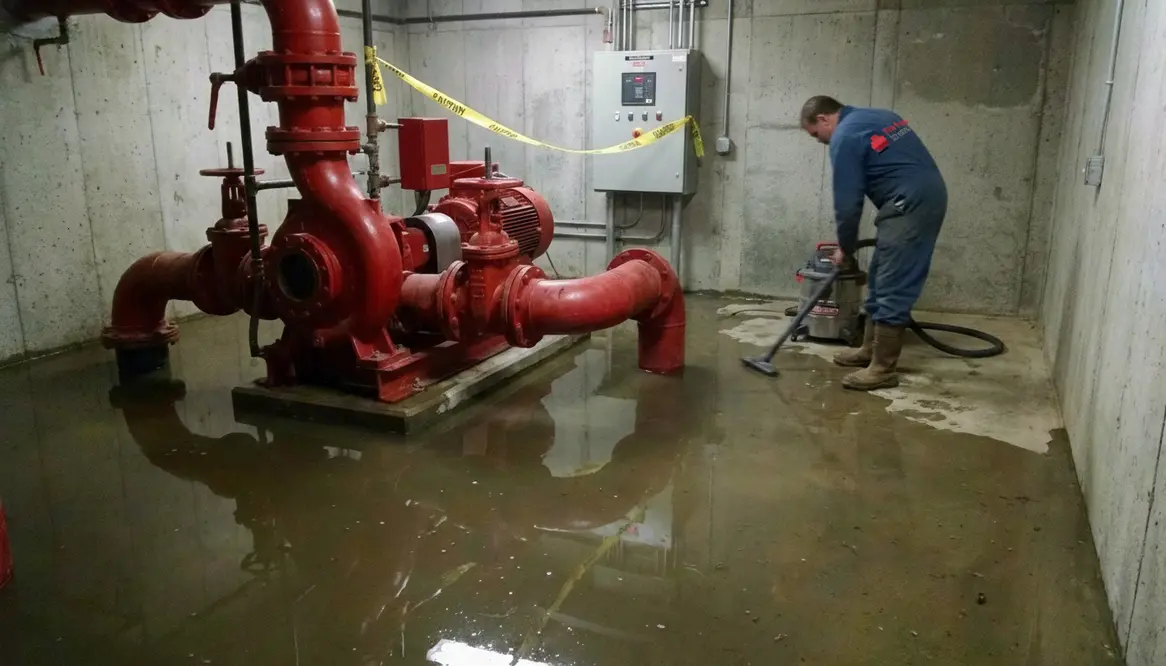
Fire Pump Room Flooding Causes Risks and Prevention
I have seen enough building issues to know this one can turn a calm day into a full scale headache: fire pump room flooding. It may look like a simple water problem at first, but in a commercial or industrial facility, it can knock out fire protection fast. And when the room that protects the building gets wet, the whole system starts to feel like a superhero with a twisted ankle. So, I will break down what causes it, why it matters, and how I would stop it before it turns into an expensive scene from a disaster movie.
For major properties, fire protection must stay ready at all times. That means the pump room needs dry floors, working drains, and regular checks. In other words, this is not the place for surprises.
Why water gets into a fire pump room
There are a few common reasons I look for when I inspect fire pump room flooding. First, I check for broken pipes, leaking fittings, and seal failure. Even a small drip can grow into a steady problem if no one catches it early. Next, I look at sump pump failure. If the pump that should remove water quits, water stays put and starts making itself at home.
Storm water can also enter through poor drainage, bad grading, or weak wall seals. In some buildings, a burst sprinkler line or test water discharge adds to the mess. Then there is human error, which still deserves a place on the list. A valve left open, a hose misused, or a bad repair can create a flood faster than a bad sequel nobody asked for.
What happens when the pump room fills with water
The risks go far beyond wet shoes and a bad smell. I always treat this issue as a fire safety threat first. Water can reach motor controls, switchgear, and backup power parts. Once that happens, the fire pump may not start when the building needs it most. That is the kind of problem that keeps property managers awake at 2 a.m.
There is also damage to the pump itself. Bearings, wiring, and controllers can fail after water exposure. Then repairs take time, and that downtime matters in large buildings with heavy code demands. On top of that, standing water can lead to rust, mold, and slippery floors. So, one leak can quickly become a long and costly chain reaction. And yes, this is exactly how fire pump room flooding turns into a chain reaction instead of a quick fix.
How I assess the risk in commercial buildings
When I walk through a site, I divide the risk into two parts:
Common flood sources
- Leaks from pipes, valves, and fittings
- Poor drainage around the room
- Backflow from storm water
- Pump seal wear and equipment failure
High impact damage
- Control panel failure
- Loss of fire pump function
- Corrosion of electrical parts
- Service interruption for critical assets
This simple split helps me spot trouble fast. And yes, I know it sounds a bit like a safety version of “find the villain before the final act,” but that is exactly the point.
Fire pump room flooding prevention steps
I always start with the basics. First, I make sure the room has solid drainage and a reliable sump system. If water enters, it needs a clear path out. Next, I check pipe joints, valve packing, and pump seals on a set schedule. Small fixes now can save a major repair later.
I also recommend water alarms and leak detection devices. These tools give early warning, which matters because water damage does not wait for office hours. In addition, I keep electrical parts raised where possible and protected from splash zones. That one move can save a control panel from becoming an expensive paperweight. This is a practical way to keep fire pump room flooding from turning into an “everything is fine” mystery.
Finally, I want staff to know what normal looks like. If they notice damp floors, new rust, or a pump that sounds off, they should report it right away. Awareness is not glamorous, but it works. Batman had a utility belt. Your building needs a maintenance plan.
Fire pump room flooding prevention checklist for major properties
Use this checklist to stay ahead of problems:
- Inspect pumps, seals, and fittings on a routine schedule
- Test sump pumps and drainage systems often
- Keep control panels dry and raised where possible
- Check for storm water entry after heavy rain
- Train staff to report leaks and odd sounds fast
- Document every repair, test, and inspection
Why commercial and industrial sites need a specialist
Large buildings face bigger pressure, more equipment, and stricter code needs. That means fire pump room flooding cannot get treated like a minor maintenance note. I need the system to support the building, not fight against it. For that reason, I value providers who focus on commercial, industrial, and major property buildings only. They understand the scale, the risk, and the need for fast action.
If you want to learn more about fire pump systems, I recommend this los angeles fire pump resource for commercial and industrial properties. It gives a useful starting point when you want to protect a serious building, not a backyard shed or a garden gnome empire.
FAQ
Conclusion
I do not treat fire pump room flooding as a simple water issue, because it never stays simple for long. It can threaten safety, interrupt service, and cost far more than prevention ever would. So, if you manage a commercial or industrial facility, I urge you to inspect the room, fix weak spots, and keep the system dry. If you act now, you protect the building, the people inside it, and your peace of mind.