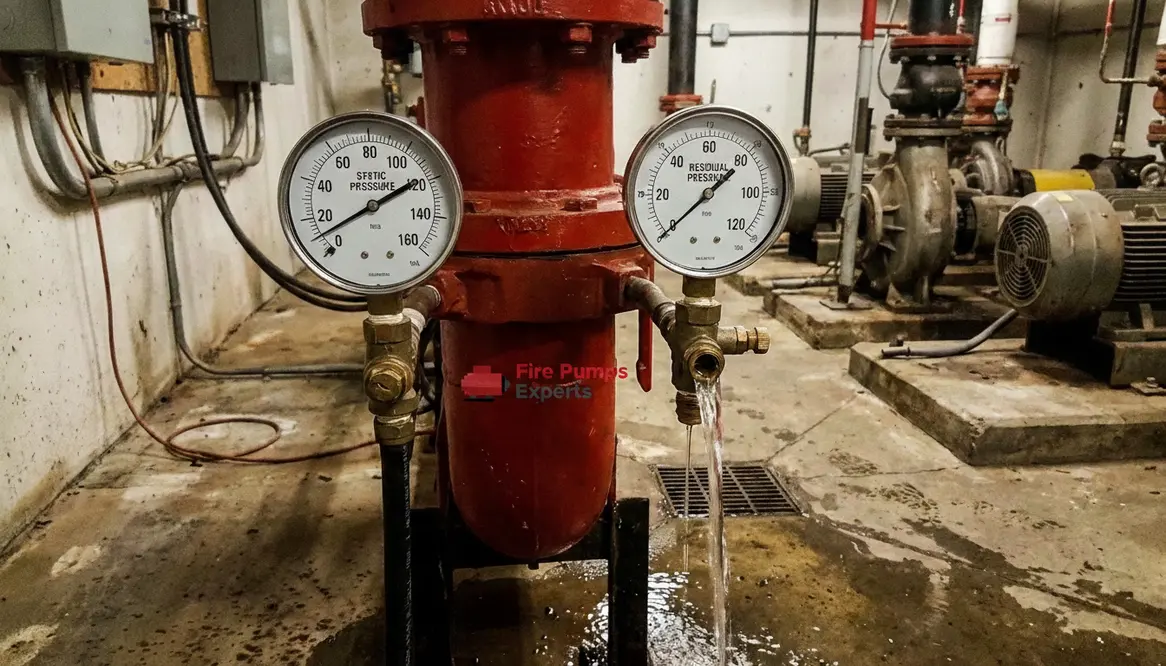
Static vs Residual Pressure in Fire Protection Systems
Static vs Residual Pressure in Fire Protection Systems sounds like a dry topic at first. But in real life, it decides whether water shows up ready to work or arrives looking like it missed the memo. I have seen plenty of fire protection plans where people focus on pumps, sprinklers, and tanks, yet forget the pressure values that tell the real story. If you manage a commercial building, industrial site, or major property, this matters a lot. The wrong reading can hide a weak water supply, and that is not the kind of surprise anyone wants on a busy Monday.
In this article, I will break down the difference in plain language, show why it matters, and help you understand how it connects to fire pump performance, hydrants, and system design. Calm, clear, and useful. Just the way a serious safety topic should be.
What static pressure tells me about a water supply
Static pressure is the pressure in the water system when no water is moving. In simple terms, I read it as the starting point. It tells me what the supply can offer before a fire pump, sprinkler, or hydrant begins to draw water. Because of that, static pressure helps me judge whether the system has enough stored push to support fire protection needs.
However, static pressure alone does not tell the full story. A site may show a strong static reading, but that does not mean the system will hold up under demand. That is where many teams get fooled. It is a bit like judging a movie by the trailer and then wondering why the plot fell apart halfway through.
For commercial and industrial properties, I always treat static pressure as a baseline check. It helps me spot weak utility supply, tank issues, and early warning signs before they turn into expensive problems.
How residual pressure works during flow
Residual pressure is the pressure left in the system while water is flowing. This is the number I care about when the system is actually doing work. Once a hydrant opens or a pump starts feeding the line, pressure drops because water is moving. That drop shows how well the supply can handle real demand.
So, if static pressure is the calm before the storm, residual pressure is the pressure after the storm starts. And yes, the storm here is a very serious one. The key point is simple: a healthy system should keep enough residual pressure during flow to support sprinklers and firefighting equipment.
When residual pressure falls too low, water delivery weakens. That can hurt hydrant performance, reduce sprinkler coverage, and make pump sizing more difficult. In fire protection, “close enough” is not a plan. It is a gamble with a hard hat on.
Why I compare both readings in fire system design
Static vs Residual Pressure in Fire Protection Systems only makes sense when I compare both values together. One tells me what I start with, and the other tells me what I keep under load. That comparison helps me see the real capacity of the supply.
I use both readings to answer a few practical questions:
- Can the water source support the required flow rate?
- Will the pressure stay high enough during a fire event?
- Do I need a fire pump, tank, or design change?
- Is the existing supply strong enough for a commercial or industrial site?
In other words, the gap between static and residual pressure reveals system strength. A small drop often points to a solid supply. A large drop can signal restrictions, aging mains, undersized piping, or high demand. That is why I never treat pressure data like random numbers on a page. I treat it like a clue.
For a helpful technical reference, I also recommend reading this AS 2419 fire pump and hydrant performance guide. It adds useful context for performance checks and system planning.
How I use pressure data in commercial fire protection
When I assess a site, I start by checking the water source, then I look at pressure under flow. After that, I compare both numbers against the needs of the building. This process matters most in large properties, warehouses, plants, logistics centers, and other demanding sites where water must travel fast and far.
Here is a simple view of how I think about it:
Static pressure: the supply before flow
Residual pressure: the supply during flow
If the pressure drop is too steep, I look deeper. Maybe the main line has limits. Maybe the site needs a pump upgrade. Or maybe the system design needs a better balance. Either way, I want enough pressure left at the far end of the line, not just at the source.
That is also why fire pump selection matters so much. A pump should support the system without creating new problems. And yes, a fire pump that looks impressive on paper but performs badly under load is the engineering version of a celebrity cameo that adds nothing to the plot.
FAQ: quick answers on pressure readings
Static vs residual pressure fire protection, explained fast
Final take on pressure readings
When I look at static and residual pressure together, I see the true condition of a fire water supply. That one comparison can guide better design, better pump selection, and better protection for a commercial or industrial site. If you want a system that performs when it counts, do not guess. Check the numbers, review the flow, and act before a weak supply becomes a costly problem. I am always ready to help turn static vs residual pressure fire protection data into a safer plan.