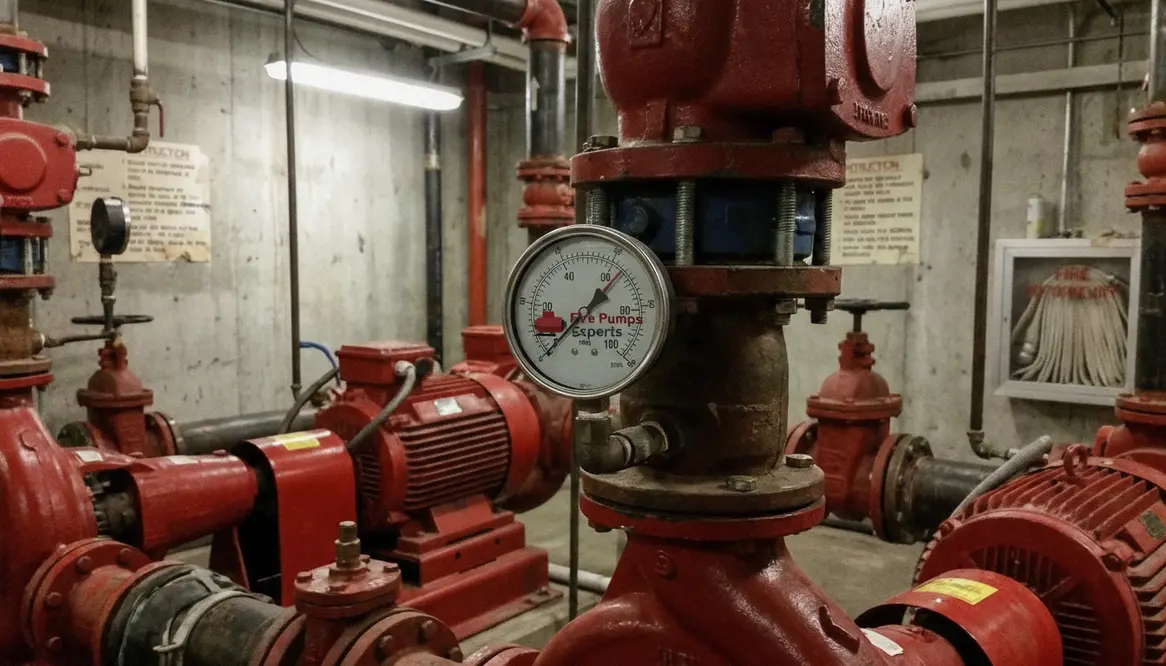
Fire Pump Pressure Requirements for Buildings
When I talk about fire pump pressure requirements, I am not talking about a nice number to print on a brochure and forget. I am talking about the pressure that helps water travel through a building, reach the right outlet, and do its job when things go sideways fast. For commercial and industrial facilities, that pressure has to be right. Not too low, not wildly high, and definitely not left to chance. Because in fire protection, “close enough” is the kind of thinking that belongs in a bad action movie, not a safety plan.
So let me walk you through what matters, how I look at the numbers, and why the right pressure can make all the difference for major property buildings.
What fire pump pressure actually does
I like to keep this simple. A fire pump boosts water pressure so a sprinkler system or hydrant system can perform as designed. That means the pump does not just push water for fun. It supports the system where supply pressure drops, demand rises, or the building size creates a long, tough water path. In large commercial and industrial spaces, that path can be long enough to make the pressure feel like it took the scenic route.
Pressure matters because every part of the fire system needs a working balance. If the pressure is too low, the system may not deliver enough water at the farthest point. If it is too high, equipment can face stress, wear, or poor control. So I always treat pressure as a performance issue, not a guess.
How I judge the right pressure for a building
There is no one size fits all answer. Instead, I look at a few basic factors that shape the pressure target:
- Building height and layout
- Pipe size and pipe length
- Sprinkler or hydrant demand
- Water supply from the main source
- Losses from valves, fittings, and elevation
Here is the key point. A tall building usually needs more pressure than a single level warehouse. A dense industrial site may also need more than a simple commercial structure because the system has more distance to cover and more demand to meet. In other words, the pump must do real work, not just look impressive in a plant room like a luxury car parked in the driveway.
fire pump pressure requirements for commercial and industrial sites
When I review fire pump pressure requirements, I focus on the pressure needed at the most remote or hardest to reach point in the system. That is where the weakest result often shows up first. If the system works there, it usually works better everywhere else. This is why pressure testing and design checks matter so much for major property buildings.
To keep things practical, I break the topic into two parts below.
| Design pressure | This is the pressure the system needs during normal fire protection performance. |
| Residual pressure | This is the pressure still available while water is flowing. |
That split matters because a pump may show one number at rest, but the real test comes when water moves through the system. Flow changes everything. Pressure drops. Losses appear. And suddenly the system tells the truth, which is what good engineering always does sooner or later.
How I check if the pump is enough
To know if the pressure is enough, I compare pump output against system need. I do not stop at the pump label or a quick glance at the panel. I look at the full path from supply to discharge. Then I ask three plain questions:
First, can the pump maintain enough pressure at the farthest point? Second, can it handle expected flow during a fire event? Third, does it fit the building’s actual risk profile? If the answer to any of those is weak, the system needs a closer look.
For example, a pump might supply strong pressure near the source, yet still fall short at upper floors or remote hydrant points. That is why a proper assessment matters more than a big number on paper. Numbers can act brave. Systems, on the other hand, either work or they do not.
Why standards and testing matter
I always recommend checking the system against the right standard and performance guide. A strong reference is the AS 2419 fire pump and hydrant performance guide, which helps explain how fire pump and hydrant performance should be viewed for real projects. That kind of reference gives me a better way to judge pressure, flow, and system reliability without guessing like I am picking a streaming show at midnight.
Testing also shows whether the pump still performs the way it should after wear, use, or system changes. Over time, valves shift, pipes age, and demand can change as a site grows. So I treat testing as a regular habit, not an emergency hobby.
Why local support helps major properties
For commercial and industrial facilities, I want the pump system reviewed by people who understand real site demands. That is why a local service link matters. You can review los angeles fire pump support if you need a closer look at fire pump solutions for larger properties and busy sites. Local knowledge can save time, reduce confusion, and help keep pressure targets aligned with the building’s actual needs.
FAQ
Conclusion
I never treat fire pump pressure as a number to admire and move on from. I treat it as the heartbeat of fire protection for major commercial and industrial properties. If you want your system to perform when it counts, then you need the right pressure, the right testing, and the right review. Now is the time to check your setup, compare it with actual demand, and make sure your building is ready for the moment that matters most.