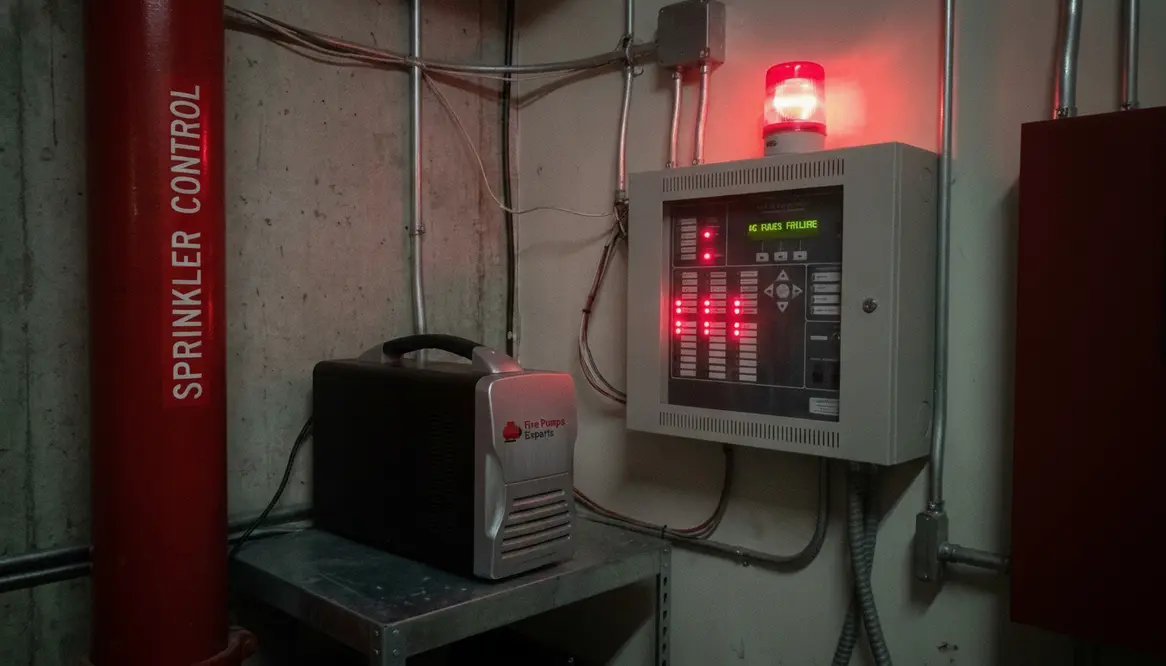
Fire Protection in Power Outages Backup Power and Pumps
What Happens to Fire Protection Systems During a Power Outage?
When the lights go out, I know most people think about elevators, laptops, and that one fridge full of snacks. But in a commercial or industrial building, the real concern is deeper. fire protection during power outage becomes a serious issue, because a fire system that cannot sense, control, or move water can leave a major property exposed. That is why I take this topic seriously. In the world of large facilities, a power cut is not just an inconvenience. It can change how alarms, pumps, panels, and smoke control systems work in a matter of seconds.
In this article, I break down what actually happens, what keeps working, what may fail, and how building teams can stay ahead of trouble before it starts acting like a villain in a bad disaster movie.
How Fire Protection Systems Keep Working Without Power
First, I look at the good news. Many fire protection systems are built to stay active even during a power loss. Fire alarm panels often use battery backup, so they can still detect trouble and send alerts for a set time. Likewise, some sprinkler systems rely on water pressure already stored in the system or in a tank. So, the system does not instantly turn into a paperweight the moment power drops.
However, that backup only covers part of the picture. If the outage lasts too long, batteries drain, controls weaken, and support equipment may stop. In other words, the system may still exist, but it may not perform at full strength. That is why I never assume a building is safe just because the panel still has a light on. A light can look confident while the whole room is having a bad day.
What Stops First in a Power Failure
Next, I focus on the equipment most likely to feel the hit right away. Fire pumps that depend on electric power can stop unless the building has a backup source. Also, smoke control fans, elevator recall functions, and some special suppression systems may lose support. As a result, the building can lose layers of protection at the exact moment they matter most.
Here is where the risks grow fast:
Common fire system issues during outage
Alarm and monitoring equipment: may shift to battery power and lose runtime if the outage lasts too long.
Electric fire pumps: may stop unless emergency power kicks in.
Smoke control systems: may lose fan support and airflow control.
Security and access systems: can affect evacuation and emergency response routes.
Because of that, I always tell property teams to treat the outage as a warning, not a pause. A commercial building does not wait politely for grid power to return. It keeps carrying risk, rain or shine, outage or not.
Why Backup Power Matters in Large Buildings
Now let me get into the heart of the issue. In major properties, backup power is not a luxury. It is a core part of fire protection during power outage planning. Generators, transfer switches, battery systems, and fuel supply all have to work together. If one piece fails, the whole chain weakens.
That is why I always recommend testing the emergency source under real load. A generator that starts during a drill but fails under demand is basically a stunt double who forgot the script. For commercial and industrial facilities, that is not funny. It is expensive.
For a useful breakdown of how commercial buildings handle emergency power loss, I also recommend reading this guide on emergency power failures in commercial buildings. It helps explain how outages affect building systems beyond fire protection alone.
How I Check a System After the Lights Come Back
Once power returns, I do not rush to call the job done. Instead, I check the system step by step. First, I confirm that the alarm panel has reset correctly. Then, I verify that batteries are charging and no trouble signals remain. After that, I test the fire pump and related controls if the site design allows it. Finally, I review any logs, alarms, or fault history that happened during the outage.
That post outage check matters because some issues stay hidden. A pump might restart, but a failed transfer switch or drained battery may show up later. And if I ignore those clues, the next outage could become the one that really hurts.
Fire Pump Readiness in Commercial and Industrial Sites
For large facilities, fire pumps deserve special attention. They support water flow when a sprinkler system needs strong pressure, especially in tall buildings or wide industrial sites. If the pump uses electric power, then backup power must support it. If the site uses a diesel pump, then fuel, batteries, and starting controls must stay ready too.
I also encourage owners to think in terms of layers. One layer covers detection. Another covers water movement. Another covers backup power. When those layers work together, the building holds up much better during an outage. If you want a local example of pump support, you can review los angeles fire pump solutions for commercial and industrial facilities.
FAQ
Do fire alarms still work during a power outage?
Yes. Most use batteries for short term backup.
Will sprinklers stop during an outage?
Not always. Sprinklers often stay ready if water pressure remains available.
What is the biggest risk in a long outage?
Backup power can run out, and key equipment may stop.
Should a fire pump be tested after an outage?
Yes. I always check it after power returns.
Do commercial buildings need emergency power for fire systems?
Yes. It helps keep critical protection active.
Conclusion
When I look at fire protection during power outage events, I see more than a technical problem. I see a test of planning, maintenance, and calm action. Commercial and industrial buildings need backup power, working alarms, and ready fire pumps to stay protected when the grid fails. So, if your property has not had a full outage review lately, now is the time. Check your systems, confirm your backups, and make sure your building is ready before the next blackout makes the first move.
Ready for the next blackout?
Strong backup power planning supports fire protection during power outage conditions, keeps pumps responsive, and prevents battery runtime surprises from becoming tomorrow’s headline. Build the checks into routine maintenance so your system is not improvising when it matters.