Affordable Housing Fire Pump Systems That Save Costs
I have spent years working around commercial and industrial properties, and one truth never changes. Fire protection is never optional, even when budgets are tight. That is especially true in large scale residential developments that operate more like complex commercial environments. Early on, I learned that affordable housing fire pump systems are not about cutting corners. They are about making smart, durable choices that protect lives without draining capital.
So, let me walk you through how I approach fire protection when cost sensitivity is part of the conversation. And yes, we will keep it practical, grounded, and just a little entertaining. Because if we can sit through three hour zoning meetings, we can handle this.
Why cost sensitive fire protection still demands serious engineering
First, let me be clear. Saving money does not mean lowering standards. In fact, the opposite tends to be true. When budgets tighten, every decision must work harder.
For large residential developments, especially those that behave like commercial hubs, fire systems must meet strict codes while staying efficient. Therefore, I focus on systems that deliver consistent pressure, simple maintenance, and long service life. A poorly chosen system might look cheaper upfront, but it will quietly drain funds through repairs and downtime.
And trust me, nothing ruins a developer’s day faster than a failed inspection. It is right up there with surprise concrete costs and elevator delays.
How do I choose the right fire pump setup without overspending?
I start with demand analysis. Then, I look at building height, occupancy load, and water supply reliability. After that, I match those needs with pump configurations that avoid overdesign.
Oversizing is one of the most common and expensive mistakes. Bigger is not always better. This is not a superhero movie where more power solves everything.
Instead, I lean toward efficient configurations that meet peak demand without excessive capacity. This often includes:
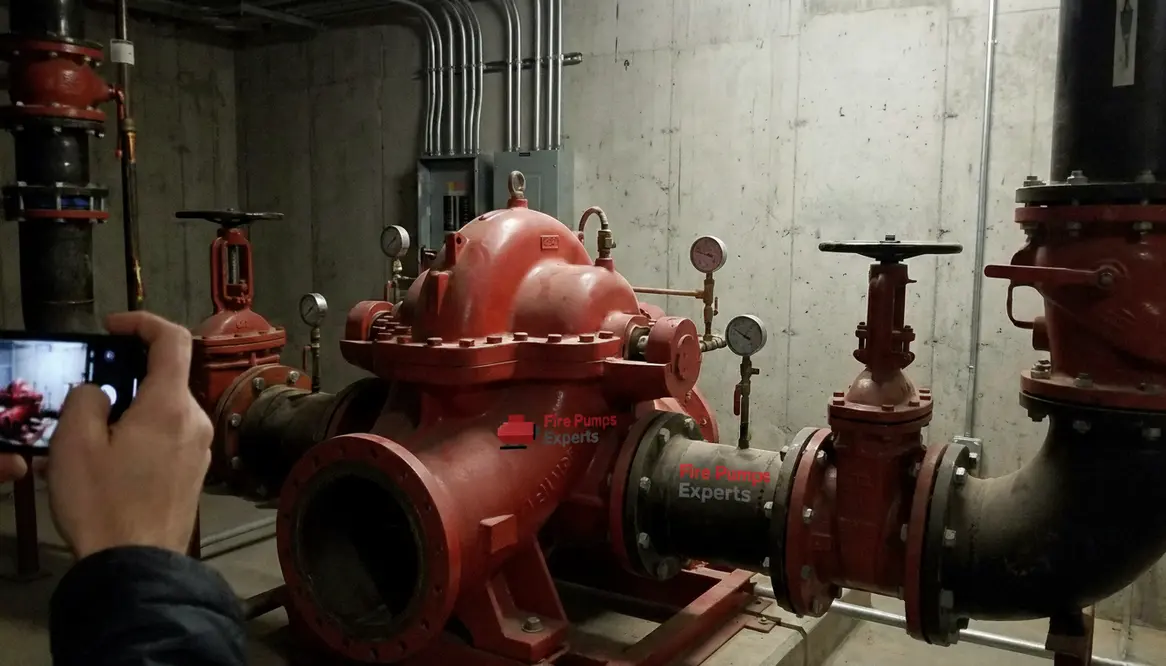
- Horizontal split case pumps for reliability and easy servicing
- Vertical turbine pumps when water sources require it
- Diesel or electric drivers based on site infrastructure
Additionally, I make sure the system integrates cleanly with the building’s overall fire protection strategy. That includes sprinklers, standpipes, and alarm systems working in harmony.
Balancing performance and budget with affordable housing fire pump systems
Here is where experience really matters. Affordable housing fire pump systems are not about picking the cheapest equipment on a spreadsheet. They are about selecting systems that reduce lifecycle cost while maintaining compliance.
For example, I often recommend standardized pump packages. These systems are pre engineered, which reduces design time, installation errors, and long term maintenance surprises. As a result, developers save both time and money.
Moreover, I prioritize components with proven track records. Fancy new technology might sound impressive, but reliability wins every time. Fire protection is not the place for experiments.
And yes, I have seen systems fail because someone wanted to try the “next big thing.” It usually ends with a service call at the worst possible moment. Almost like a horror movie, but with more paperwork.
Where can I reduce costs without compromising safety?
Design Efficiency
I streamline layouts to reduce pipe runs and friction loss. Less resistance means smaller pumps and lower energy use.
Smart Equipment Selection
I avoid unnecessary redundancies while still meeting code. Not every project needs the most complex setup.
Installation Planning
I coordinate early with contractors to prevent costly rework. Fixing mistakes later is never cheap.
Maintenance Strategy
I choose systems that are easy to inspect and service. Over time, this saves a significant amount.
Because of these steps, projects stay within budget without sacrificing performance. And that balance is what keeps both inspectors and investors happy.
Compliance, codes, and why shortcuts always backfire
Every system I design or recommend aligns with NFPA standards and local regulations. There is no wiggle room here. Cutting corners might seem tempting when budgets tighten, but it always comes back around.
Inspectors do not miss much. And even if they did, system failure will not. Therefore, I build compliance into every stage, from design to commissioning.
Additionally, I document everything clearly. That way, facility managers know exactly how the system works and how to maintain it. Because a well documented system is a well protected system.
And frankly, nothing says “we planned this right” like passing inspection on the first try. It is the closest thing our industry has to a standing ovation.
Future proofing fire protection investments
While budgets matter today, I always think about tomorrow. Developments evolve. Occupancy changes. Systems face new demands.
So, I design with flexibility in mind. That might include allowing space for future upgrades or selecting pumps that can handle moderate increases in demand. As a result, owners avoid costly overhauls later.
In other words, I build systems that age gracefully. Like a classic film, not a one season streaming show that disappears overnight.
Where affordable housing fire pump systems fit into long term planning
When I look at affordable housing fire pump systems in the context of a 20 to 30 year ownership plan, I am not just thinking about getting through the next inspection. I am thinking about predictable operating expenses, straightforward training for maintenance teams, and the ability to adapt when the property’s profile changes.
Maybe that garden style development eventually adds a mid rise building. Maybe occupancy density shifts. Maybe local authorities update requirements. Thoughtful selection and layout of affordable housing fire pump systems makes those transitions far less painful and far less expensive.
That is why I stress that the “affordable” part of affordable housing fire pump systems is not about chasing bargains. It is about stacking smart choices so owners avoid surprise capital calls, emergency rentals, and rushed redesigns a decade from now.
FAQ
Final thoughts and next steps
Fire protection is one place where smart planning pays off every single day. If you are working on a large residential development that functions like a commercial property, now is the time to invest in a system that balances cost and performance. I can help you evaluate options, streamline design, and implement solutions that last. Reach out, and let’s build something that protects people and budgets with equal confidence.
If you want to explore technical references and best practices in more depth, resources such as https://firepumps.org offer valuable guidance you can pair with site specific engineering insight.