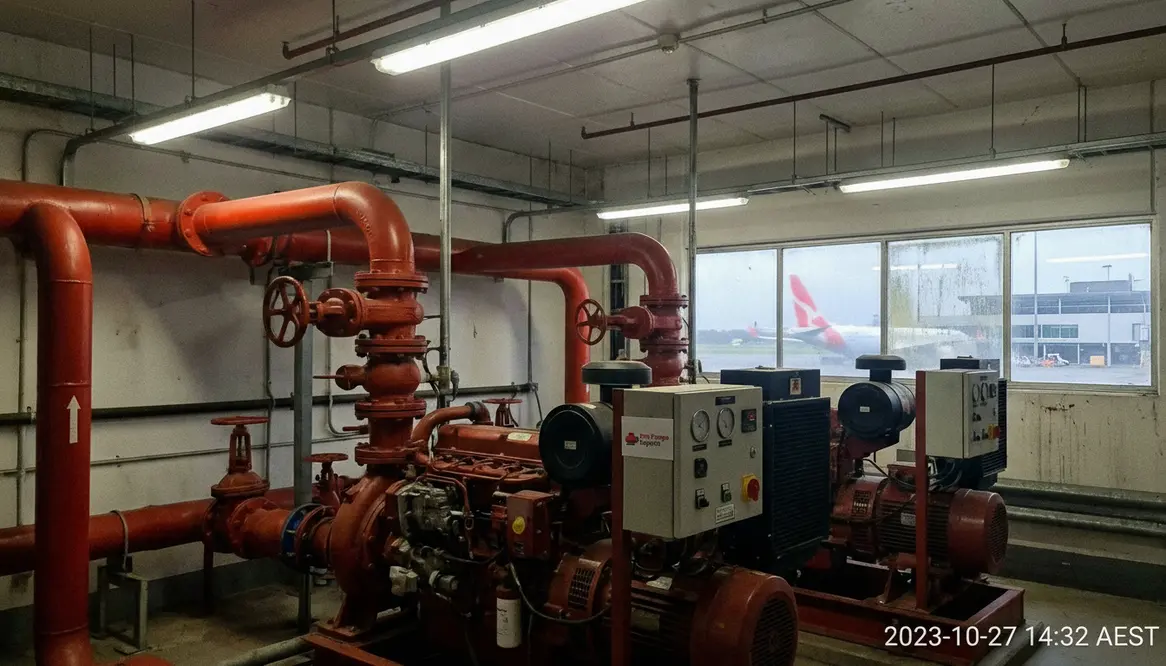
Airport Fire Pump Systems Australia Guide
I have spent years around critical infrastructure, and I can tell you this without hesitation. When it comes to safety at scale, few systems carry the quiet weight of responsibility like airport fire pump systems Australia. These are not just machines tucked away in a plant room. They are the unseen guardians of terminals, hangars, and fuel storage zones. And in a place where thousands of people move every hour, there is no room for “almost working.”
So, let me walk you through it. Calmly. Clearly. And with just enough wit to keep us both awake.
Why Fire Pump Systems Matter in Aviation Infrastructure
Airports are not your average commercial site. They are sprawling, high risk environments with unique fire hazards. Jet fuel, electrical systems, and massive enclosed spaces all combine into a scenario where response time is everything.
Because of this, fire pumps in Australian airports must deliver immediate and consistent water pressure. Without that pressure, sprinklers become decorative ceiling ornaments. And while that might impress an art critic, it will not stop a fire.
Moreover, compliance with Australian standards such as AS 2419 is not optional. These systems must perform under pressure, literally and figuratively. I have seen systems tested, and trust me, there is no room for improvisation when alarms are sounding.
How Airport Fire Pump Systems Australia Are Designed for Scale
Now, let us talk design. These systems are not pulled off a shelf and plugged in like a coffee machine. They are engineered with precision, tailored to the specific airport layout and risk profile.
Typically, a system includes diesel or electric driven pumps, jockey pumps for pressure maintenance, and redundant configurations. Because if one fails, another must take over without hesitation.
Additionally, flow rates and pressure requirements are significantly higher than in standard commercial buildings. Hangars alone demand enormous water delivery capacity. And yes, those giant aircraft are impressive, but they do not put out their own fires.
Core Components At A Glance
Core Components
Primary Fire Pump
Jockey Pump
Controller System
Backup Power
Purpose
Delivers high volume water during emergencies
Maintains system pressure during idle periods
Automates activation and monitors performance
Ensures operation during power outages
Each piece plays its role. Miss one, and the whole system starts to look like a band missing its drummer.
What Makes These Systems Different from Standard Commercial Installations
I often get asked this, and the answer is simple. Scale, redundancy, and risk.
Scale & Redundancy
First, the scale is immense. Airports operate like small cities, except with tighter safety demands. Second, redundancy is not a luxury. It is mandatory. Every critical component must have a backup.
Risk & Environment
Finally, the risk profile is unique. Fuel fires behave differently. They spread faster and burn hotter. Therefore, airport fire protection systems in Australia must respond with higher capacity and precision.
Also, let us not forget environmental factors. Coastal airports deal with corrosion. Remote ones deal with extreme heat. So, materials and system design must adapt accordingly.
Can Fire Pump Systems Keep Up with Modern Airport Expansion?
Short answer. Yes, but only if planned correctly.
Airports are constantly expanding. New terminals, extended runways, upgraded cargo facilities. Each addition changes the fire protection requirements.
Therefore, modern fire pump systems must be scalable. Engineers design them with future demand in mind. This means allowing space for additional pumps, upgrading pipe networks, and ensuring controllers can handle increased loads.
Otherwise, you end up retrofitting under pressure. And let me tell you, that is about as enjoyable as assembling furniture without instructions.
Maintenance and Testing Keep Everything Honest
Reliability Is Earned, Not Assumed
A fire pump system is only as reliable as its last test. That is not me being dramatic. That is reality.
Routine testing ensures pumps start instantly, valves operate correctly, and pressure levels meet requirements. Weekly churn tests, monthly inspections, and annual flow tests all play a role.
Moreover, documentation matters. Every test result must be recorded and reviewed. Because when regulators come knocking, “we think it works” is not going to cut it.
I have seen well maintained systems perform flawlessly. I have also seen neglected ones fail at the worst possible moment. You can guess which story ends better.
Choosing the Right Partner for Airport Fire Pump Systems Australia
Not all providers are created equal. When dealing with major infrastructure, experience matters.
What To Look For
You want a team that understands compliance, system integration, and long term performance. More importantly, they must specialize in commercial and industrial scale projects. Airports are not a training ground.
Look for providers who offer design, installation, and ongoing maintenance. Because a system is not a one time purchase. It is a long term commitment.
And yes, if they can explain complex systems without making your eyes glaze over, that is a bonus.
If you want to see how airport fire pump systems Australia are benchmarked and compared with other large scale infrastructure fire protection, resources like https://firepumps.org can be a useful starting point alongside Australian standards and local regulatory guidance.
FAQ
Final Thoughts and Next Steps
If you are responsible for protecting a major facility, then you already understand the stakes. Airport fire pump systems Australia are not just about compliance. They are about certainty when it matters most. So, take the next step. Work with experts who design, install, and maintain systems built for real world demands. Because when everything is on the line, you want more than equipment. You want confidence.