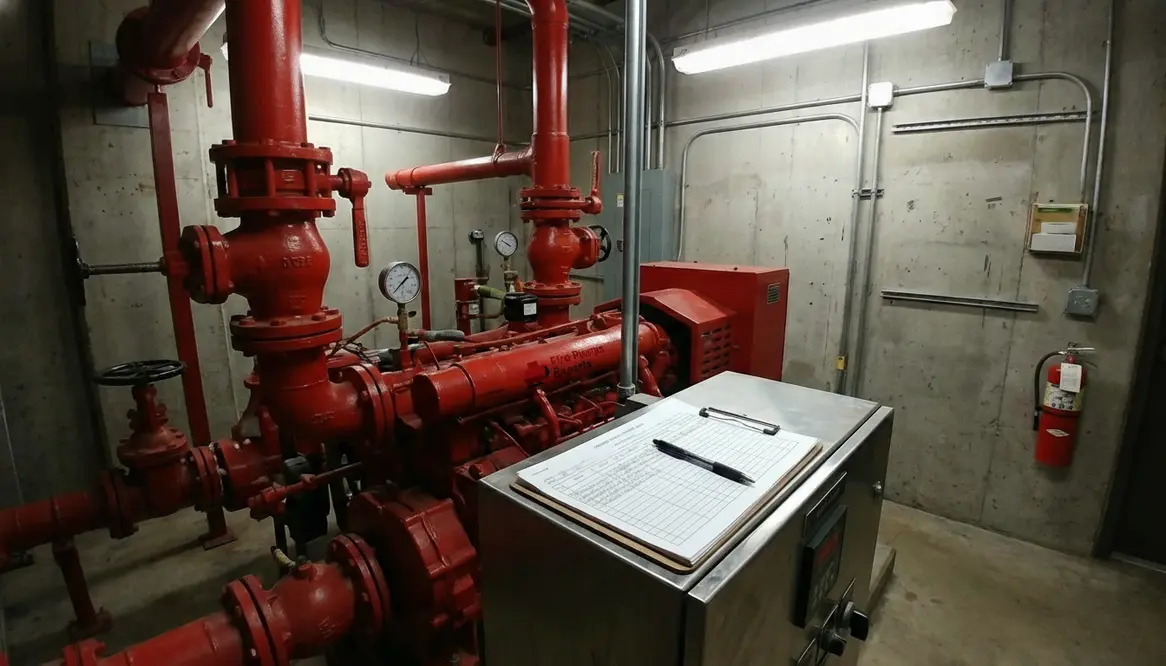
LPS 1131 Fire Pump Compliance Guide and Testing
LPS 1131 Fire Pump Compliance Guide is one of those topics that looks dry at first, yet it can decide whether a commercial building keeps its fire protection system ready when it matters most. I write this with one simple truth in mind: for commercial and industrial facilities, and for major property buildings, fire pump compliance is not a box to check and forget. It is a living responsibility. In the world of life safety, the fire pump is the quiet heavyweight in the room. It may never get applause, but when the pressure drops, it steps in like the hero nobody invited and everybody needs.
In this guide, I will walk through what the standard means, what a facility needs to track, and how to stay ahead of trouble before it turns into an expensive surprise. I will also keep this practical, because compliance should not feel like reading the fine print on a spaceship manual.
What LPS 1131 means for fire pump compliance
LPS 1131 sets the framework for fire pump design, installation, testing, and ongoing care. For me, the key point is simple: the pump must do its job under real emergency conditions, not just look good on paper. That means the system needs proper setup, correct performance, and steady maintenance.
For commercial and industrial facilities, this matters because a weak pump can slow suppression, increase loss, and create major risk. Major property buildings face the same issue. If the fire pump fails, the whole protection chain starts to wobble. And nobody wants that kind of plot twist.
The standard supports consistent fire pump reliability by focusing on:
- Correct system design for the site
- Proper installation by qualified teams
- Routine inspection and testing
- Documentation that proves the system stays ready
Why LPS 1131 compliance is a living responsibility
LPS 1131 compliance is not just about passing an inspection once and filing the report in a cabinet no one opens. It is about making sure the fire pump and its support systems keep pace with changes in the building, the water supply, and the way the site is used.
I treat the standard as a steady rhythm: design, install, test, record, review, and repeat. When that rhythm holds, the fire pump stands ready when the pressure falls and the sprinklers call for help.
How I check a fire pump system for compliance
I always start with the basics, because the basics catch the big problems. First, I confirm the pump matches the building risk and water demand. Next, I review the pump room, the controls, the power supply, and the suction and discharge conditions. Then I look at records. If the paperwork is a mess, the system often tells the same story.
Here is the practical order I follow:
- Review the fire pump type and rating
- Confirm installation matches the approved design
- Check controller status and alarms
- Inspect valves, gauges, and piping support
- Verify test logs and service records
Moreover, I make sure the facility does not treat the fire pump like a museum piece. It needs regular attention. Otherwise, dust, vibration, corrosion, and small leaks can build into larger failures. Even Batman needed maintenance on the Batmobile.
Fire pump testing and inspection schedule
Testing gives me the clearest view of real performance. A visual check tells part of the story, but live testing shows whether the pump can still move water at the needed pressure and flow. That is where compliance becomes real and where LPS 1131 compliance turns from theory into proof.
I like to think of the schedule in two layers. One layer covers routine checks, and the other covers deeper performance testing. Both matter. If one layer slips, the risk rises fast.
| Task | Why I Track It |
| Weekly visual checks | Spot leaks, alarms, and control issues early |
| Monthly inspection of key parts | Confirm valves, power, and room conditions stay stable |
| Annual performance testing | Verify the pump still meets demand under load |
Also, I keep an eye on changes in the building itself. New tenants, added equipment, or a shift in water demand can affect system needs. Compliance is not just about the pump; it is about the life of the building around it and how that life still fits within LPS 1131 compliance expectations.
What records I keep for audits and reviews
Good records save time, reduce stress, and support proof of compliance. When an audit comes, I want the file to tell a clean story. That means I keep inspection dates, test results, repair notes, parts replaced, and the names of the people who handled the work.
For LPS 1131 compliance, records should show:
- Installation details
- Test readings and outcomes
- Faults found and actions taken
- Service dates and follow up work
- Any changes to the system or building use
In addition, I make sure records stay easy to find. A strong compliance program should not feel like a treasure hunt in a dusty file room. If a reviewer asks for proof, I want answers fast and clear, backed by a record trail that stands up to LPS 1131 compliance reviews without drama.
Where firepumps.org can help major properties
For commercial and industrial facilities and major property buildings, expert support can make compliance far easier to manage. I would use a specialist resource like fire pump compliance support for commercial and industrial facilities when I need help reviewing a system, improving records, or planning inspections with confidence.
That kind of support matters because fire pump rules can shift with system type, site risk, and local conditions. Therefore, a trained review can catch issues that a busy facility team may miss. And let us be honest, no one wakes up excited to decode pressure curves before coffee.
FAQ
Conclusion
When I look at LPS 1131 fire pump compliance, I see more than a standard. I see protection, proof, and peace of mind for commercial and industrial facilities, along with major property buildings that cannot afford guesswork. If you want to strengthen your system, tighten your records, and stay ready for review, now is the time to act. Reach out, review your fire pump program, and make compliance part of your building’s steady routine.