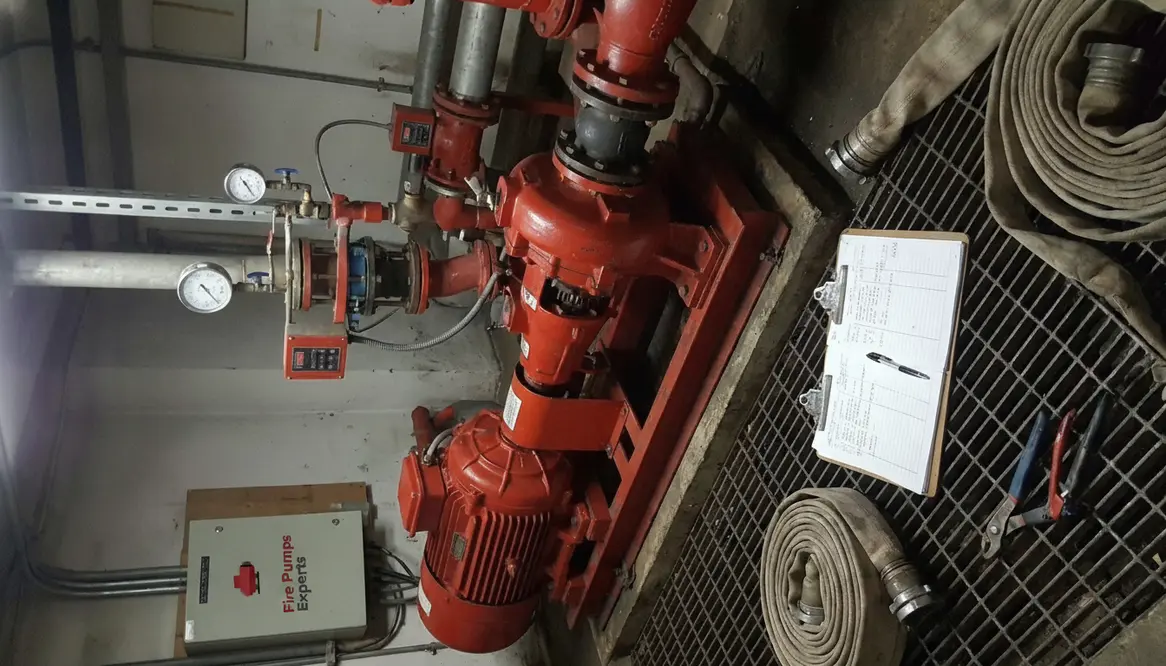
Annual Fire Pump Test Results Change Year to Year
Why Fire Pump Test Results Change From One Year to the Next
When I look at fire pump testing, I never expect the same numbers twice in a row. In fact, that is normal. An annual fire pump test often shows small shifts because systems age, water supply changes, and building use changes. Good fire pump maintenance helps, of course, but even well kept commercial and industrial systems can drift a little. And yes, the pump is not being dramatic. It is just doing its job in the real world, where conditions love to change when nobody is looking.
For major properties, those year to year changes matter. A small drop in pressure or flow can point to a real issue, or it can reflect a change in supply, friction, or equipment condition. I always treat the result like a clue, not a verdict.
What changes the numbers from one year to the next?
Several things can shift fire pump results. First, the water source may change. Municipal pressure can rise or fall with demand, nearby construction, or supply work. Second, the pump itself may wear over time. Impellers, seals, bearings, and drivers all age, even if they still look fine from the outside. Third, the test setup can change. For example, valve position, gauge accuracy, or test meter condition can alter the reading. Finally, the building system may add resistance. Corrosion, scale, or a partially blocked line can raise friction and trim performance.
So, when the annual fire pump test numbers move, I do not panic. I compare the new data against the past data, then I look for patterns. One odd reading is a whisper. Three odd readings are a conversation.
How water supply affects annual fire pump test results
Water supply is one of the biggest reasons results shift. If the supply pressure drops, the pump has to work harder to hit target performance. If the supply improves, the test may look better than last year. However, that does not always mean the pump improved. It may simply mean the source changed.
In commercial and industrial facilities, I also watch for seasonal demand. A hot summer can strain municipal systems. Likewise, nearby site work can affect underground mains. That is why I never compare results without asking, “What changed upstream?” It is the same logic as checking the weather before blaming your umbrella. A leaky umbrella is still a problem, but rain is usually part of the story.
Why equipment wear shows up over time
Even a strong pump slowly loses efficiency if parts wear or drift out of spec. Bearings can create drag. Seals can leak. Controllers can age. Engines or motors may not deliver the same output as they did last year. As a result, the curve from the test can flatten or shift.
I also pay close attention to the suction side. If the suction piping or water source develops restriction, the pump may cavitate or struggle to pull enough water. That can cause a drop in pressure, strange vibration, or unstable readings. In other words, the pump may sound like it is trying to read Shakespeare in a wind tunnel.
What test setup errors can fake a change?
Sometimes the pump did not change much at all. The test setup did.
Common issues include:
- Incorrect gauge calibration
- Air trapped in the test line
- Valve position changes during the test
- Meter misreads or worn equipment
- Different test conditions from year to year
Because of that, I always want repeatable methods. If one technician tests a little differently from the next, the results can drift on paper even when the pump stays mostly the same. Consistency matters. Fire protection is not a place for “close enough” and a shrug.
How I compare results without missing real problems
When I review years of test data, I look at the whole picture. I check discharge pressure, flow, churn, suction pressure, and any notes about vibration, leaks, or unusual sound. Then I compare the result with prior tests and maintenance history. This helps me tell the difference between normal drift and a warning sign.
Here is the simple way I think about it:
| Normal shift | Possible issue |
| Small change with stable system notes | Large drop in pressure or flow |
| Minor variation in supply conditions | Noise, vibration, or leakage |
| Test setup changed slightly | Repeated poor readings across multiple tests |
This kind of review helps facility teams make smart decisions. It also keeps the annual report useful instead of letting it become another file that collects dust like an extra prop from Jurassic Park.
How fire pump maintenance keeps drift under control
Good maintenance does not stop all change, but it slows trouble down. Routine inspection, lubrication, packing checks, controller checks, and suction line review all help stabilize performance. Also, a proper service plan can catch small issues before they become big ones.
That is why I recommend coordinated service for major properties and industrial sites. When testing and upkeep work together, the system stays more predictable. For more support, I suggest reviewing this Los Angeles fire pump service resource and this commercial fire pump testing guide. You can also explore related building support through electrical services for facilities and fire sprinkler services for large properties.
FAQ
Conclusion
If your fire pump test results changed this year, I would not treat that as a surprise. I would treat it as a signal. Compare the data, review the water supply, check the equipment, and verify the test method. Then act before a small shift turns into a serious risk. If you manage a commercial, industrial, or major property site, I recommend scheduling a professional review now so you can protect your system, your people, and your peace of mind.