AS 1851 Fire Pump Inspection Checklist Guide
How to keep your fire pump ready to perform when the stakes are high and excuses will not help.
AS 1851 Fire Pump Inspection Checklist is not the kind of topic that gets people cheering at lunch. Still, if you manage a commercial site, industrial plant, or a major property building, it matters a great deal. I treat this checklist as the quiet guardian of the fire system. It helps me confirm that the pump will do its job when the pressure rises and the stakes turn very real. And yes, that is the moment when everyone wants the system to work like a hero in a movie, not a shaky extra.
In this guide, I walk through what I look for, why it matters, and how I keep the process steady and practical. I also keep the focus on commercial and industrial facilities, because that is where this standard really belongs.
What I check first in an AS 1851 fire pump inspection
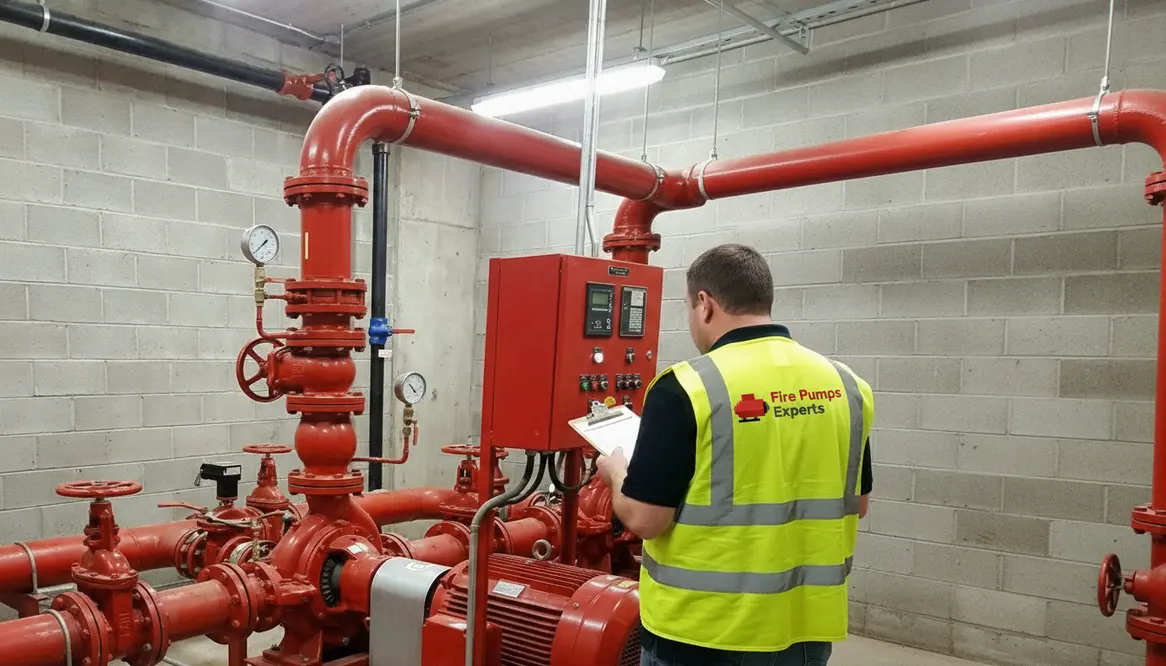
I always start with the basics. First, I confirm the pump room is clean, dry, and easy to access. Then I check for leaks, rust, damage, odd noises, and signs of wear. If the pump looks tired, it often acts tired too. That is not a technical term, but it is still true.
Next, I verify the power source, fuel supply if the unit is diesel, and control panel status. I want to know the pump can start without drama. A fire pump should not behave like a stubborn old TV that only works when you smack it. It should be ready, calm, and dependable.
I also inspect valves, gauges, fittings, and the overall condition of pipework. If the readings look off, I dig deeper. Small issues can grow fast, especially in large buildings where the demand on the system is high.
AS 1851 inspection tasks I follow step by step
Here is the practical side of the job. I keep the inspection structured so nothing slips through the cracks. The process may look simple, but the value sits in the details. A good AS 1851 inspection is less about ticking boxes and more about understanding how each task protects the site when things go wrong.
Critical checks I never skip
- Visual condition: I look for leaks, corrosion, loose parts, and damage.
- Power and start up: I test the controller, battery system, and emergency start functions.
- Pressure and flow: I confirm the pump can meet the expected demand.
- Valves and gauges: I make sure they work and display accurate readings.
- Environment: I check ventilation, lighting, and access around the unit.
After that, I run the pump in line with the required checks. I listen closely. I watch pressure. I note vibration. I look for smooth operation. If something changes, I record it right away. That habit saves time later and helps prevent a small fault from turning into a big repair bill.
How I test performance without wasting time
Performance testing gives me the real story. A clean pump room is nice, but it does not prove the system can deliver water when needed. So I test under conditions that show whether the pump can hold pressure and maintain flow.
I compare the results with the expected standard and site needs. If a commercial tower or industrial plant relies on the system for heavy coverage, then weak performance is not a minor issue. It is a warning. And in this line of work, warnings deserve respect.
I also keep an eye on any unusual heat, vibration, or sound during the run. These signs often point to worn parts, blocked lines, or control faults. In other words, the pump may be trying to tell me something. I prefer to listen before it has to shout.
A well-run AS 1851 inspection should give you confidence, not confusion. When performance tests are planned properly, they do not waste time, they prevent it being wasted later on emergency callouts and sudden shutdowns.
When I review records and maintenance history
I never stop at the physical inspection. Records matter just as much. So I review the service log, past faults, test results, repair notes, and any follow up work. This helps me spot patterns. If the same issue keeps coming back, it usually means the real cause has not been fixed yet.
Good records also help me prove compliance and show that the site takes its fire protection duties seriously. For facility managers, that means less guesswork and fewer surprises during audits. Nobody likes surprises in fire safety unless it is a birthday cake.
At this stage, I also compare the site’s maintenance plan with the required intervals. That keeps the inspection cycle aligned with the standard and helps the building stay ready all year. When an AS 1851 inspection is backed by clear history, you can see whether issues are isolated problems or long-standing habits that need to change.
Turning AS 1851 inspection into a reliable routine
The reality is simple: a fire pump you ignore is a fire pump you cannot trust. I treat every AS 1851 inspection as part of a wider routine, not an isolated event. That means lining up regular checks, documenting what I find, and making sure corrective work actually happens, not just sits on a report.
In commercial and industrial buildings, fire protection is tied to business continuity. If the pump fails during an incident, the fallout goes beyond wet carpets. It affects insurance, downtime, and sometimes the ability to operate at all. A consistent AS 1851 inspection program is one of the simplest ways to avoid that kind of chaos.
What a solid inspection routine looks like
- Regular site-specific schedules that match the standard
- Clear responsibilities for who checks what and when
- Accurate recording of every test, adjustment, and repair
- Follow-up tracking so faults do not quietly disappear
- Periodic reviews to confirm the AS 1851 inspection plan still fits the risk profile
Handled properly, your AS 1851 inspection routine becomes more than a compliance exercise. It turns into a quiet, behind-the-scenes system that lets everyone else in the building focus on their jobs instead of wondering whether the fire pump will hold up on the day it counts.
FAQ
Keep your fire pump ready before it is needed
Strong fire protection starts with steady maintenance and clear checks. If you manage a commercial or industrial property, I suggest treating your inspection program as a priority, not a last minute task. I can help you stay ahead of faults, reduce downtime, and keep your fire pump ready for the moment it truly matters. Get your AS 1851 inspection plan reviewed today and make sure your system stands ready, calm, and fully prepared.
If you are not sure where to start, begin with your latest test records and a honest look at how often your fire pump is actually being checked. From there, building a reliable AS 1851 inspection schedule is straightforward. If you want more technical detail, you can always lean on resources such as https://firepumps.org and then tailor those principles to the way your site operates day to day.