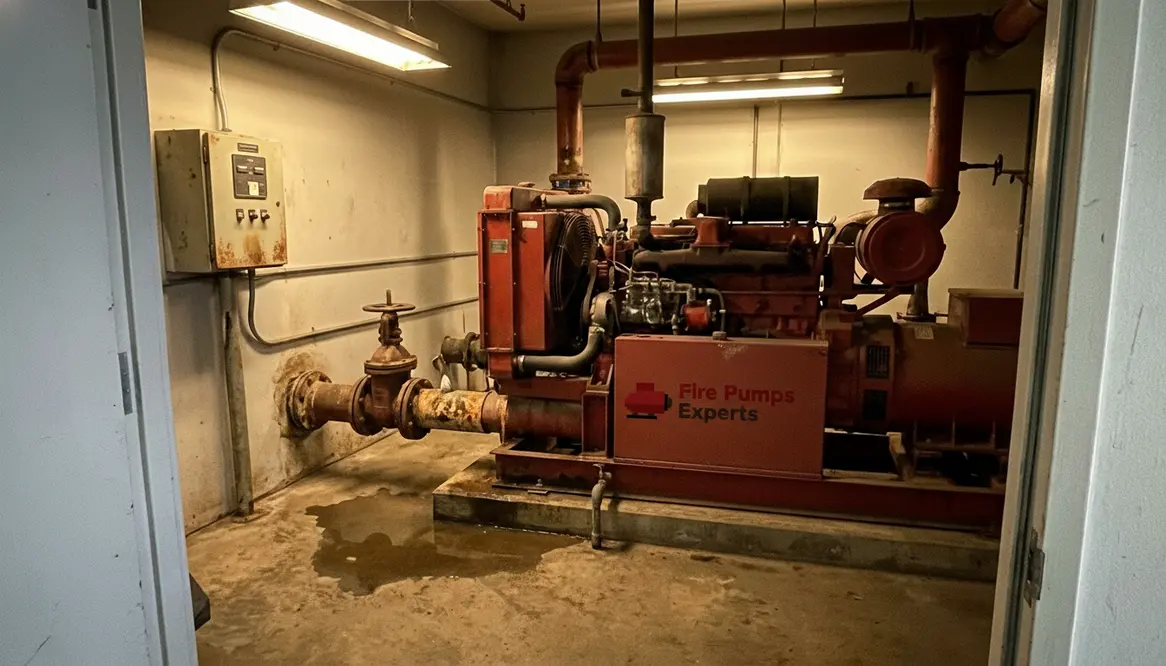
AS 2419 Fire Pump Deficiencies to Watch For
When I walk through a commercial or industrial site, I look at the fire pump with a very simple thought in mind: if it fails, everything downstream starts to wobble like a cheap table at lunch. That is why AS 2419 deficiencies matter so much. These issues can hide in plain sight until the day the pump is needed most. In large properties, that is not a fun surprise. It is the kind of surprise that turns a routine inspection into a very expensive story.
In this article, I will break down the most common fire pump problems I watch for, how they show up, and why they matter for commercial and industrial facilities. Along the way, I will keep it practical, because fire protection should be serious, but it does not need to sound like a robot wrote it after three cups of coffee.
What AS 2419 deficiencies mean in real life
AS 2419 sets the standard for fire pump systems in buildings that need reliable fire protection. In real life, deficiencies are any faults that weaken pump performance, delay operation, or make the system less dependable. Sometimes the issue is obvious. Sometimes it hides inside a rusted valve, a tired controller, or a flow problem that only shows itself under test.
For me, the main concern is simple. A fire pump should start, run, and deliver the pressure and flow the building needs. If it cannot do that, the system is not doing its job. And yes, a pump that only works when it feels like it is about as useful as a superhero who only shows up for the opening credits.
Why these fire pump issues matter
Commercial and industrial buildings do not get the luxury of small consequences. A fire pump issue in a warehouse, hospital, office tower, or manufacturing site can affect many people and a lot of property. That is why I take AS 2419 deficiencies seriously. A weak pump can mean slower response, less water pressure, and a much higher risk during a fire event.
Also, the cost of ignoring these issues usually grows fast. A minor repair today can stop a shutdown tomorrow. And in big properties, downtime hurts. It affects operations, safety planning, insurance expectations, and compliance. So, while the pump room may not be glamorous, it sits near the top of the list when it comes to building risk.
Common fire pump problems I check first
When I inspect a site, I start with the basics because the basics often tell the whole story. Here are the first problems I look for:
Pump failure to start
If the pump does not start during automatic or manual testing, I treat that as a major warning sign. The cause may be electrical, mechanical, or tied to the controller. Either way, the system needs attention fast.
Poor pressure or low flow
A pump may start and still fail the real test. If pressure drops too soon, or if flow does not match design needs, the building may not get the fire water supply it expects. That is a serious AS 2419 deficiency, especially in large commercial and industrial sites.
Strange noise or vibration
I pay close attention to noise because pumps often speak before they fail. Grinding, rattling, or strong vibration can point to bearing wear, alignment problems, cavitation, or pipe stress. In other words, the pump may be waving a red flag in a very loud voice.
Leaks around seals, joints, or valves
Water where it should not be is never a good sign. Small leaks can lead to bigger damage, lower efficiency, and corrosion. Over time, they can also signal deeper system wear.
Control and power issues
A fire pump depends on the controller, power supply, and monitoring devices. If any part fails, the pump may not respond when needed. I always check these parts carefully, because the pump is only as ready as its support system.
How AS 2419 deficiencies show up during inspection
Inspection clues from performance
A pump that starts late, hesitates, or fails to hold pressure often points to control or mechanical trouble.
Rust, damp spots, or staining around fittings often point to leaks or poor maintenance.
Inspection clues from the room
A controller with alarms, fault lights, or unclear status signals may hide a deeper electrical issue.
A pump room that feels too hot, too damp, or poorly ventilated can create long term wear and reduce reliability.
These signs do not always scream for attention. Sometimes they whisper. However, those whispers matter. If I catch them early, I can help prevent a bigger failure later, and that is always the smarter play.
Why regular testing keeps the system honest
I like regular testing because it tells the truth. Systems may look fine on paper, but a test shows what the pump actually does under pressure. That means starting checks, flow checks, controller checks, and visual checks all matter. Together, they reveal wear, faults, and small failures before they become major ones.
In the same way a band needs a sound check before the show, a fire pump needs testing before an emergency. Nobody wants the main event to become the first rehearsal. That is not a plot twist anyone asked for.
How I recommend fixing AS 2419 deficiencies
When I find a problem, I focus on three things: diagnose it clearly, repair it properly, and verify the result. Quick patch jobs can help in the short term, but they should never replace real correction. If a pump has repeat faults, I look deeper. There may be an issue with design, installation, maintenance, or aging equipment.
For many facilities, the smartest move is to work with a fire protection team that understands commercial and industrial systems, not just small sites. Large properties have bigger demands, so the repairs and testing need to match that reality.
If you want a useful external resource, I recommend reviewing this AS 2419 fire pump maintenance guide for more detail on service expectations and system care.
Putting AS 2419 deficiencies in perspective
If you manage a commercial or industrial property, I strongly recommend treating fire pump issues as urgent, not optional. The best time to find AS 2419 deficiencies is before they become a crisis, not after. So, if your system has strange noises, weak pressure, leaks, or control faults, act now. Book a proper inspection, fix the weak points, and keep your building ready for the moment that really matters.
FAQ
Conclusion
If you manage a commercial or industrial property, I strongly recommend treating fire pump issues as urgent, not optional. The best time to find AS 2419 deficiencies is before they become a crisis, not after. So, if your system has strange noises, weak pressure, leaks, or control faults, act now. Book a proper inspection, fix the weak points, and keep your building ready for the moment that really matters.