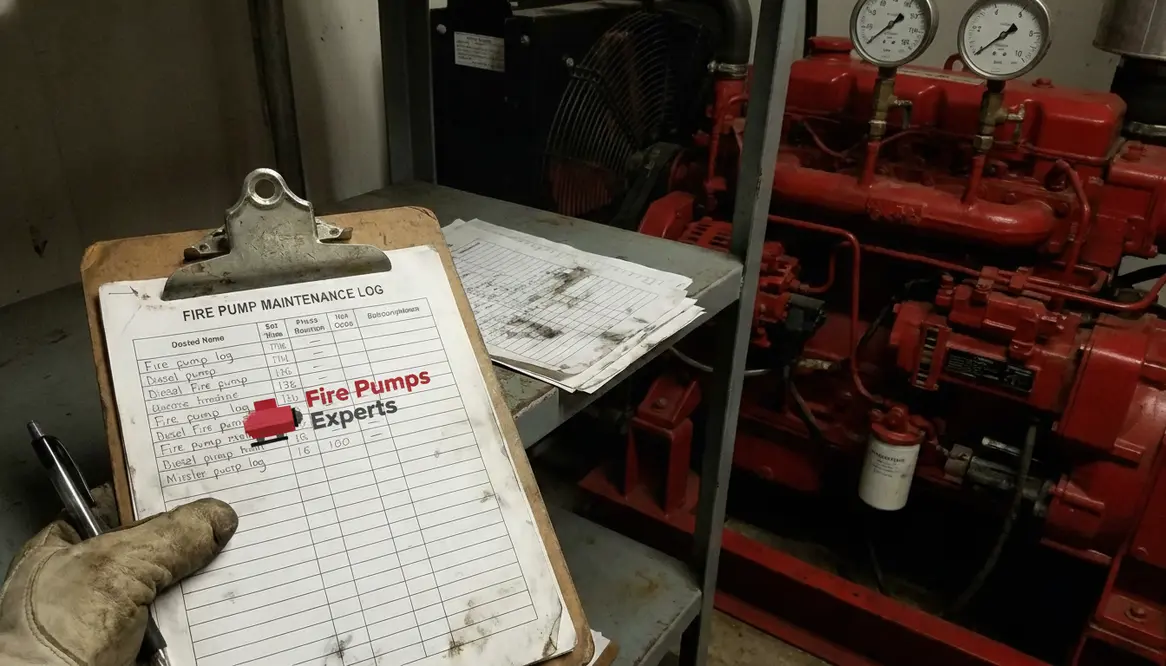
AS 1851 Fire Pump Maintenance Records Guide
When I talk about AS 1851 maintenance, I am talking about the paper trail that keeps a fire pump honest. It is not glamorous, and it will never win a parade, but it can save a building from a very bad day. For commercial and industrial facilities, plus major property buildings, strong records show that the system works, the checks happened on time, and the right people stayed on top of the job. In plain terms, good records turn guesswork into proof. And in this game, proof matters more than a confident smile and a strong coffee.
That same AS 1851 maintenance trail also protects the people running the site. When something goes wrong, nobody wants to stand there with a blank folder and a nervous grin. Clear records show that checks were done, results were reviewed, and faults were treated like real problems, not background noise. They back up decisions when insurers, auditors, or owners start asking for evidence instead of assurances.
What fire pump maintenance records must show
I always start with the basics. A fire pump record should clearly show what was checked, when it was checked, who did it, and what they found. That sounds simple, yet many sites still keep notes that read like a mystery novel written in a hurry. To stay useful, the record should include the pump ID, test date, service details, faults found, repairs done, and the final result. I also want the record to show whether the pump met the required performance during the inspection. If it did not, the record should spell that out fast.
For AS 1851 maintenance, the point is not just to tick boxes. Instead, the record must create a clean history of the asset. That history helps managers spot repeat faults, slow pressure loss, battery issues, leak trends, and missed service work before they turn into a full blown drama. Think of it like the maintenance version of a health chart, only with fewer waiting rooms and more diesel.
Key elements every record should capture
- Pump identification: location, asset number, and type
- Test and inspection dates, including start and finish times where relevant
- Technician or inspector name and company
- Steps carried out during the test or service
- Measured performance, including pressure, flow, and run times where applicable
- Faults, defects, or irregularities, even when they appear minor
- Repairs or adjustments performed and parts replaced
- Final outcome and whether performance met the required standard
- Next due service or test date so the schedule stays visible
How I keep records ready for audits
Audit time can make even calm people straighten their ties. So, I keep records neat, current, and easy to read. I make sure each entry sits in order by date, and I keep supporting notes with photos, test sheets, and repair invoices where needed. If a fire pump fails a test, I do not bury that fact under vague wording. I state the issue, the action taken, and the follow up date. That way, anyone reviewing the file can see the full picture without playing detective.
For commercial and industrial sites, a strong record set should also show service intervals, corrective work, and any parts replaced. Because large buildings often rely on multiple systems, I link the pump record to the wider fire safety file as well. That link helps the team track how the pump works with tanks, valves, alarms, and power supply. In other words, I make the record do real work, not just sit there looking official like a villain in a sci fi movie.
Structuring AS 1851 maintenance records for quick review
I keep audit friendly records by using consistent layouts and language. Each visit follows the same structure: what was planned, what was done, what went wrong, and what changed as a result. When AS 1851 maintenance entries follow that logic, an auditor can skim a year of activity and still understand the story without stopping for a translation break.
AS 1851 maintenance records in plain language
Here is the clean version. I write records so a building manager, engineer, auditor, or technician can understand them fast. I avoid vague notes like “checked okay” because that tells nobody anything useful. Instead, I use clear lines such as “started under test load,” “pressure held within range,” or “battery needed replacement.”
Below is a quick two column guide I use when I want the record to stay sharp and simple.
Record detail
Test date, location, asset number, inspector name, result, fault, repair, next due date
Why it matters
It proves compliance, supports follow up, and gives the site a reliable service history
This is where AS 1851 maintenance records earn their keep. They show the fire pump did not just exist in the building; it stayed active, checked, and ready. That matters most in major property buildings and heavy use sites where downtime can become expensive fast.
Common mistakes I see and how I avoid them
I see the same record problems again and again. First, people skip details after minor faults because they think the issue is too small to matter. It matters. Small faults often grow teeth later. Second, some teams use the same comment for every visit. That creates a lazy file, and lazy files do not help during an audit. Third, records often miss follow up actions. If a pump needed a seal, a battery, or a controller check, I want that written down with the close out date.
Also, I do not mix up service notes and repair notes. I keep them separate when needed so the timeline stays clear. That way, if a problem repeats, I can trace it without squinting at a messy page like I am decoding an ancient scroll. Good records save time, reduce risk, and make the next service smoother. That is not fancy. It is just smart building management.
Turning repeat issues into useful insight
When records are clear and consistent, repeat issues stop being random headaches and start becoming data. If the same pump struggles at the same pressure every six months, that is a pattern. With solid AS 1851 maintenance notes, it is easier to decide whether you are looking at operator error, aging equipment, or a design limit that needs an upgrade, not just another nuisance to reset and forget.
Why regular records protect commercial sites
Regular records do more than satisfy compliance. They help protect operations, staff, tenants, and equipment. If a fire pump fails in a high rise, warehouse, plant, or large commercial building, the result can be serious fast. So, I treat each record as part of the risk control system. It tells me whether the pump is aging well, whether the site needs upgrades, and whether the service cycle is working as planned.
Reliable records also help budget planning. When I can see repeat repairs or a pattern of weak performance, I can advise the site early. That gives managers time to act before a small issue becomes a costly outage. And yes, that is the kind of foresight that makes everyone look clever without pretending to be a superhero.
Using AS 1851 maintenance data for planning
Over time, a stack of AS 1851 maintenance reports turns into a roadmap for future spending. You can see when components usually fail, how often callouts happen between scheduled visits, and whether certain pumps cause more trouble than others. That makes it easier to argue for upgrades, replacements, or more frequent checks using facts instead of feelings.
Where I go for expert support
If you manage a commercial or industrial property, or a major building with fire pumps, I suggest keeping your record process tied to a trusted service partner. For a useful overview of system care and service direction, I recommend reviewing commercial fire pump maintenance support in Australia. It can help align your service approach with the needs of large sites that cannot afford weak paperwork or missed checks.
FAQ
Conclusion
If you want your fire pump system to stay ready, I recommend treating records as part of the job, not an afterthought. Strong AS 1851 maintenance records give you proof, control, and peace of mind across commercial and industrial sites. So, keep them clear, current, and complete. If you manage a major building, now is the right time to tighten the process, review old entries, and make the next service count. Contact a qualified team and keep the system ready before trouble starts.