AS 2941 Fire Pump Deficiencies and Warning Signs
AS 2941 Fire Pump Deficiencies to Watch For
I have seen plenty of fire pump rooms that look calm on the outside, yet hide trouble that could turn a small fire into a major loss. When I talk about AS 2941 deficiencies, I mean the kinds of issues that can keep a fire pump from doing its one job when the pressure drops and people start counting on it. For commercial and industrial facilities, plus major property buildings, these problems are not just annoying. They can become expensive, dangerous, and very public very fast. So, let me walk you through the warning signs I watch for, before a test turns into a bad day with a fire pump and a very unimpressed compliance officer.
What I Check First in a Fire Pump Room
I always begin with the basics, because the basics love to cause the biggest headaches. A pump can only perform well if the room, power, valves, and controls all behave like they were invited to the same party. If one part fails, the whole system can stumble.
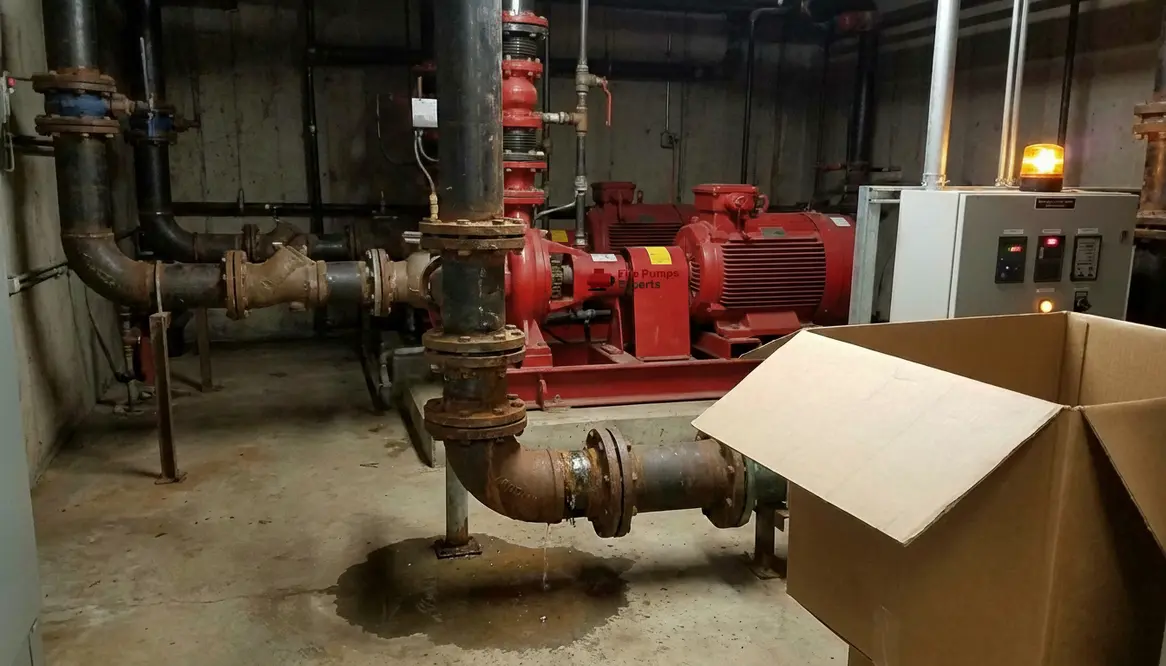
First, I look for blocked access. A fire pump room should never feel like a storage closet after a long weekend. If boxes, tools, or spare parts crowd the space, I treat that as a serious warning sign. Then I check for visible leaks, rust, broken fittings, and signs of vibration. Even a small drip can point to a larger issue inside the pump set.
Next, I review the control panel and power supply. Loose wiring, warning lights, damaged batteries, or incorrect settings can all lead to AS 2941 deficiencies. These problems often hide in plain sight, which is why a calm, careful inspection matters more than a rushed glance.
AS 2941 deficiencies in the equipment that matter most
Here, I focus on the parts that keep the system alive when demand spikes. Fire pumps do not get to have a bad day. They either deliver or they disappoint, and in this business, disappointment has a very high price tag.
Common issues include worn seals, damaged impellers, poor alignment, and failed starters. I also check whether the pump delivers the pressure and flow the system expects. If the pump cannot hit the required performance, then the building may not get the fire protection it needs.
Common visible and hidden trouble spots
Visible issue
Leaks, rust, loose parts, damaged gauges
Hidden issue
Internal wear, weak pressure, electrical faults, poor pump alignment
That second column matters just as much, because some of the worst AS 2941 deficiencies do not shout. They whisper. And sometimes, that whisper is a pump slowly moving toward failure while everyone else keeps walking past it like it is a background extra in a Marvel movie.
Why testing tells the real story
I never trust appearance alone. Testing tells me whether the system can actually do the job. A pump may look fine and still fail under load. That is why I pay close attention to start up, operating pressure, discharge, vibration, and shutdown behavior.
During testing, I watch for slow starts, unstable readings, overheating, or unusual noise. Those signs often reveal developing AS 2941 deficiencies before they become full failures. I also compare test results with past records. If performance drops over time, I know the system needs attention, not optimism. And optimism, while lovely at a dinner party, does not move water through a fire system.
For commercial and industrial facilities, testing also helps protect operations. A weak pump can interrupt business continuity, trigger costly repairs, and raise compliance risk. So, I treat every test as a chance to catch trouble early, while the fix is still manageable.
How I spot AS 2941 deficiencies before they spread
Problems in fire pump systems often travel. One fault can lead to another, and then another, until the repair bill starts looking like a plot twist nobody asked for. That is why I look beyond the obvious defect and trace the chain of cause and effect.
I check water supply conditions, valve positions, pressure settings, and pump room environment. Heat, dust, poor drainage, and corrosion all create stress on the system. If the room stays too hot or too damp, the equipment ages faster. If valves sit in the wrong position, the system may not respond as designed. These are classic AS 2941 deficiencies, and they often show up together rather than alone.
I also review maintenance records. Missing logs, skipped inspections, and delayed repairs often tell me more than a shiny pump ever could. Good records help prove the system stayed in shape. Poor records usually point to a bigger maintenance gap. As the old saying goes, hope is not a plan, especially when fire protection is involved.
What commercial and industrial facilities should fix fast
Some issues need quick action because they can affect the entire fire protection system. I put these at the top of the list:
- Faulty power supply or backup power
- Leaks or corrosion at pump components
- Poor pump pressure or flow results
- Damaged controls, alarms, or starter parts
- Blocked access to the fire pump room
- Signs of overheating, vibration, or abnormal noise
Each of these can point to deeper AS 2941 deficiencies. Therefore, I do not treat them as small notes on a clipboard. I treat them as early warnings from a system that wants to stay reliable, if only we let it.
I also recommend using a trusted commercial fire pump compliance resource for facilities that need practical guidance on maintaining major property systems and industrial fire pump equipment. That kind of reference can help teams stay focused on what matters: performance, reliability, and compliance.
FAQ for AS 2941 fire pump deficiencies
Conclusion
If I want a fire pump system to stay ready, I do not wait for trouble to announce itself with sirens and smoke. I look for AS 2941 deficiencies early, fix them fast, and keep records that prove the system stays dependable. For commercial and industrial facilities, that discipline protects people, property, and operations. If your pump room has shown any warning signs, now is the time to act and schedule a proper inspection.