AS 2941 Fire Pump Requirements for Industry
AS 2941 Fire Pump Requirements for Industrial Facilities sit at the heart of a serious fire safety plan. I have seen plenty of plant managers treat a fire pump like the backup singer in a rock band, until the main act fails and the whole show needs saving. In industrial sites, that pump is not extra fluff. It is a core part of the system that helps keep water moving when pressure drops or demand rises. In this article, I will walk through what matters, what to check, and how to keep your facility ready without turning the job into a circus.
What AS 2941 means for an industrial site
AS 2941 sets the expectations for fire pump systems used in fire protection. In an industrial setting, that matters because your site may have wide floor areas, high fuel loads, special process equipment, or tall storage zones. So, the pump must do more than just exist in a room with a nameplate and a hopeful attitude.
First, I look at the risk profile of the facility. Then, I check whether the pump can supply the needed flow and pressure for the fire system. This includes the sprinkler network, hydrants, or any other connected protection equipment. As a result, the pump must match the site design, not a generic idea of what seems “good enough.”
In practice, AS 2941 industrial planning means the pump, driver, controls, water source, and layout must all work together. If one part fails, the whole setup loses strength. That is why I always treat the standard as a full system rule, not a single box to tick.
Why AS 2941 industrial detail matters
Industrial facilities carry higher fire loads, more complex hazards, and often depend on continuous production. A weak fire pump design does not just risk the building; it risks contracts, downtime, and people’s jobs. AS 2941 industrial requirements pull those pieces into a single, consistent framework so the pump system can actually stand up when the heat is on.
Matching the standard is not about chasing perfection on paper. It is about having enough water, at the right pressure, for long enough to give firefighters and suppression systems a real shot at controlling the incident instead of watching it run the show.
How I check fire pump capacity and water supply
Capacity comes first. If the pump cannot deliver the required flow, the rest is just expensive metal with confidence issues. I start by reviewing the demand from the fire protection system and the supply available from the tank, dam, or mains connection. Then I compare those numbers against the pump curve and operating range.
Water supply matters just as much. For industrial facilities, I look for a supply that can support the system for the required duration. In some sites, the water source looks fine on paper, but daily use, seasonal change, or process demand tells a different story. So, I verify the real site conditions, not just the neat drawings in a folder no one has opened since the last holiday party.
Here is a simple way to think about it:
Fire pump checklist
- Confirm required flow and pressure
- Review water source capacity and reliability
- Check suction conditions and pipe size
- Make sure the pump suits the hazard level
- Test performance under working conditions
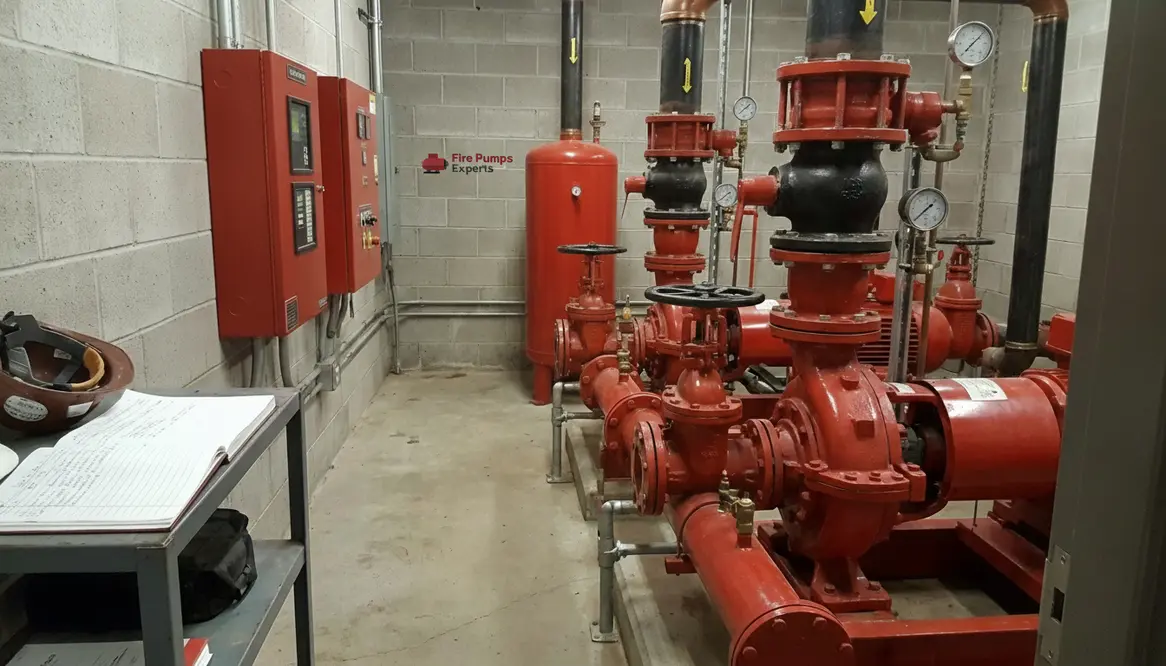
AS 2941 industrial pump room and system layout
The pump room can make or break the system. I always want clear access, proper ventilation, safe drainage, and enough space for service work. If technicians cannot reach the equipment without becoming stunt doubles, the layout needs work.
Also, the pump should sit in a location that protects it from damage, flooding, and heat. Electrical controls need a clean, safe setup. Meanwhile, suction and discharge piping must support stable performance. Poor piping can cause vibration, loss of pressure, and plain old mechanical misery.
Pump room design at a glance
What I check
- Room access
- Ventilation
- Drainage
- Equipment clearance
- Pipe support
Why it matters
- Faster service
- Lower failure risk
- Safer operation
- Better pump life
- More reliable fire protection
How I keep the fire pump reliable over time
A fire pump is not a “set and forget” machine. It needs regular inspection, testing, and maintenance. Otherwise, the first real emergency becomes a very bad surprise, and nobody wants that plot twist.
I recommend routine checks on the driver, valves, seals, batteries, pressure settings, and alarm functions. In addition, I look for leaks, corrosion, unusual noise, and anything that hints at wear. If the pump is diesel driven, fuel quality and starting performance also need attention. If it is electric, power supply and control health matter just as much.
Testing should reflect how the system will actually behave. That means flow testing, start testing, and alarm verification on a schedule that suits the site risk and the standard. After that, I review the results and compare them with past tests. Patterns tell the truth faster than guessing ever will.
For industrial buildings, I also watch for changes in plant use. If storage grows, processes change, or the building expands, the fire pump design may no longer fit the site. When that happens, I treat it as a trigger to reassess the whole system.
Keeping AS 2941 industrial systems aligned
Every time production expands or storage practices change, AS 2941 industrial fire pump design should be re-checked against the new risk. That way, the system grows with the site instead of getting left behind as an underpowered relic.
FAQ: AS 2941 fire pump requirements for industrial facilities
Conclusion
If you want AS 2941 fire pump compliance to hold up in the real world, not just on paper, I suggest a full site review, solid testing, and regular maintenance. Industrial facilities face real load, real risk, and real consequences, so the fire pump must stay ready. If you manage a commercial or industrial property and want a smarter check on your fire pump setup, now is the time to act. Review your system, fix weak points, and keep protection working when it matters most.
For more detail on fire pump performance, testing methods, and related guidance, you can explore additional resources at https://firepumps.org and compare them against how your own AS 2941 industrial installation is currently set up.