AS 2941 Commercial Fire Pump Requirements Guide
AS 2941 Fire Pump Requirements for Commercial Buildings
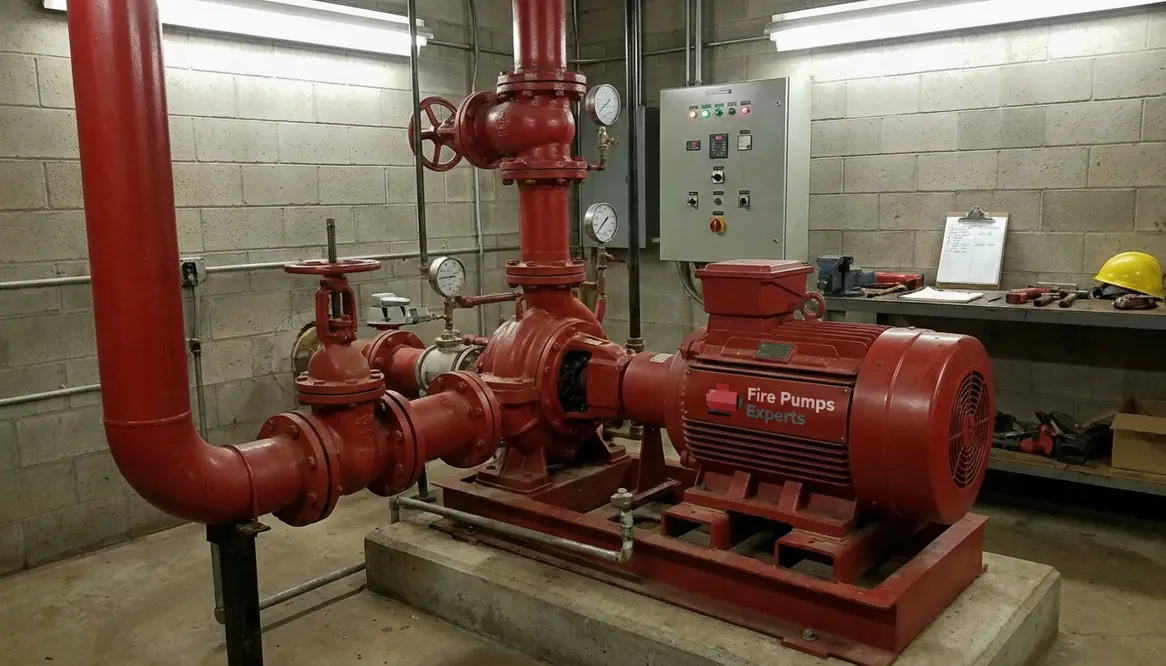
When I talk about AS 2941 commercial fire pump needs, I am talking about the kind of protection that keeps a large building from turning into a very expensive bad day. In commercial and industrial facilities, a fire pump is not a nice extra. It is a critical part of the fire system, and it must work when pressure drops and the fire alarm starts shouting for attention like a stage actor who missed his cue.
In this guide, I will walk through what the standard means, why it matters, and how I approach compliance for major properties. I will keep it plain, practical, and useful, because no one needs a fire safety lecture that reads like a tax form.
What AS 2941 means for fire pump systems
AS 2941 sets the design, installation, and performance rules for fire pump sets used in fire protection systems. For commercial buildings, this matters because a pump must deliver water at the right pressure and flow when the building demand rises. If the supply is weak, the sprinkler and hydrant system may not perform as planned. And that is not the plot twist any owner wants.
I always treat this standard as the backbone of pump selection. It shapes the pump type, the driver, the controls, the tank setup, and the test needs. It also helps match the system to the site risk. A tall office tower, a warehouse, and a mixed use commercial site do not need the same setup, even if they all look impressive in a property brochure.
For a deeper compliance view, I also recommend reviewing commercial fire pump compliance guidance from a specialist source that focuses on major properties and industrial sites.
How I check fire pump design for commercial buildings
When I review a fire pump design, I start with the building risk profile. Then I look at water supply, system demand, pump duty, redundancy, and access for testing. After that, I check whether the pump set can do the job under real site conditions, not just in a neat drawing that behaves well on paper.
Here is the design logic I follow:
First column
- Building size and use
- Fire load and hazard level
- Water source reliability
- Pump duty and standby need
Second column
- Hydrant and sprinkler demand
- Controller and power supply
- Room ventilation and drainage
- Routine test access
These checks matter because a compliant pump system must do more than exist. It must start on demand, hold pressure, and keep working under load. I also make sure the pump room supports safe maintenance. A cramped room with poor access is like trying to service a spaceship in a closet. Technically possible, but nobody will enjoy it.
Why installation details decide compliance
Even a strong pump can fail if the installation is sloppy. That is the hard truth. AS 2941 commercial requirements push us to think about the full set, not just the pump itself. Pipe layout, suction conditions, electrical supply, control wiring, and valve positions all shape performance.
I pay close attention to the suction side because bad suction can starve the pump. I also check that the discharge line supports the required pressure without unnecessary loss. In addition, I look at controller placement, emergency power if needed, and clear labels for operators. These details seem small, but they often decide whether the system passes on day one and still behaves on day one thousand.
Another point worth noting is maintenance access. If I cannot inspect the system safely and quickly, then the building has a hidden problem. Compliance is not only about the install. It is also about keeping the system ready for the long run.
AS 2941 commercial testing and maintenance basics
Testing keeps the pump honest. I like to think of it as the system’s annual audition. Without it, everyone assumes the fire pump is ready, and assumptions are where risk likes to live rent free.
The testing schedule must confirm start up, pressure, flow, alarms, and driver performance. In commercial and industrial buildings, I always stress regular checks because these sites often depend on stable water delivery across long pipe runs and high demand areas. A test that only looks good in a quick glance is not enough.
Maintenance should also cover fuel supply where relevant, battery condition, seals, bearings, controllers, and any signs of leaks or corrosion. If a fault appears, I act early. Small issues become big failures when heat, smoke, and time enter the chat.
I also advise keeping clear records. Good records show a pattern of care, and they help owners prove the system has stayed in service. That matters during audits, insurance review, and any fire safety inspection.
FAQs about fire pump rules for major commercial properties
What I want owners and managers to do next
If you manage a commercial building, I want you to treat the fire pump as essential life safety equipment, not background noise. Review the design, check the install, confirm the test records, and fix weak points before they become real trouble. If your site serves a major property or industrial facility, now is the time to act. Speak with a specialist, verify your AS 2941 commercial setup, and keep your system ready for the moment it matters most.