AS 2941 Fire Pump Deficiencies to Watch
When I look at a fire pump system, I do not just see pipes, valves, and a motor humming in the corner. I see the muscle behind a building’s fire defense. And when AS 2941 deficiencies show up, that muscle can fail at the worst possible time. In commercial and industrial facilities, and in major property buildings, even a small issue can turn into a serious risk. So today, I will walk you through the most common fire pump problems I watch for, why they matter, and how to stay ahead of them before the system starts acting like a tired old sidekick in a movie no one asked for.
What AS 2941 deficiencies usually show up first?
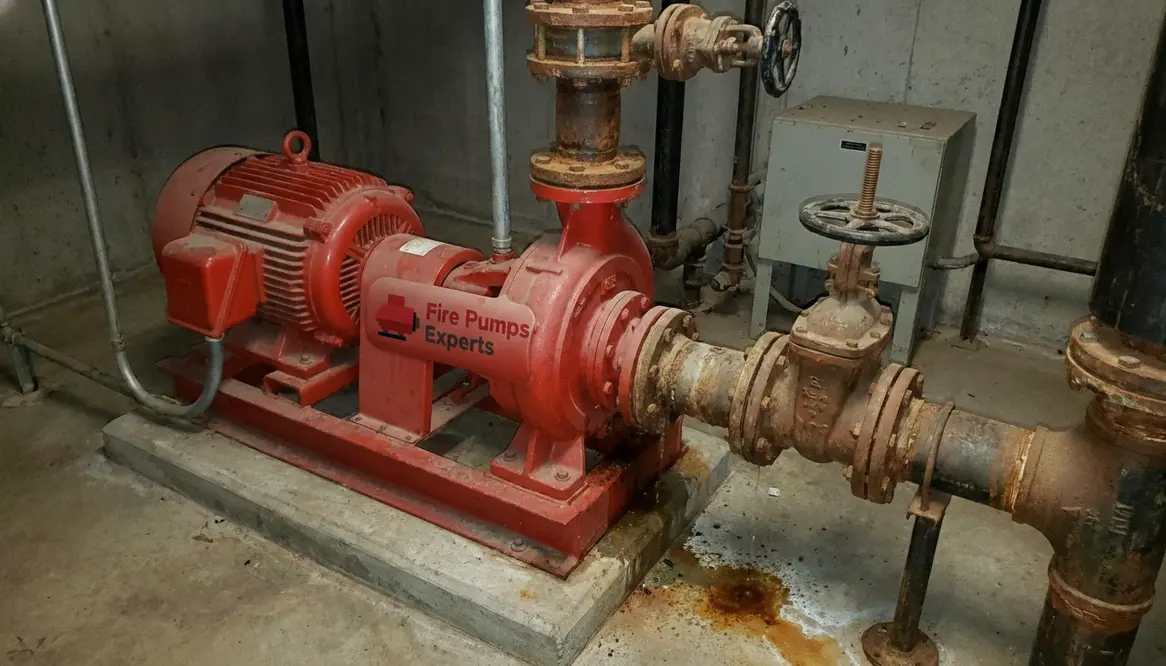
The first signs often appear in the basics. I check for leaks, corrosion, loose fittings, faulty gauges, and poor pump room conditions. These seem simple, yet they often point to deeper trouble. For example, a small leak may mean worn seals, while rust can show long term water exposure or poor upkeep. Also, if the pump room gets too hot, too cold, or too cramped, the system may not perform as it should.
Why these early issues matter
Early AS 2941 deficiencies are like a warning light on a dashboard. You can ignore them for a while, but sooner or later the real fault shows up. Small leaks can lead to pressure loss, corroded fittings can snap when stressed, and poor ambient conditions can shorten motor and controller life. The earlier these are caught, the cheaper and safer the fix tends to be.
Why poor pump performance matters
A fire pump must deliver the right pressure and flow when the system calls for it. If it does not, then the whole fire protection setup takes a hit. I often see issues like delayed start up, weak discharge pressure, strange vibration, or uneven operation. These are not just annoying little quirks. They can point to impeller damage, motor trouble, blocked suction lines, or a control issue.
And yes, a fire pump should not behave like a sitcom character who cannot get through one scene without drama. It should stay steady, ready, and serious.
Common fire pump performance problems
Common problem
- Poor pressure
- Vibration
- Delayed start
- Short cycling
What I look for
- Possible suction blockage or worn pump parts
- Loose mounting or internal wear
- Controller or power supply issue
- Pressure sensing or control fault
How I inspect fire pump controls and power supply
Controls and power supply sit at the heart of reliable fire pump operation. So, I always check the controller, transfer switch, battery backup, alarms, and power source. If any of these parts fail, the pump may not start when it should. That is a bad day waiting to happen.
I also look for loose wiring, damaged panels, old batteries, and poor labeling. Moreover, if the system lacks clear test records, I take that as a warning sign. Good records help show whether the pump has run under proper conditions, and they also make it easier to spot a pattern before a full failure lands on your desk.
Signals that controls need attention
- Unlabeled or confusing control panels
- Evidence of moisture or dust inside enclosures
- Batteries past their recommended service life
- Alarms that are muted, ignored, or permanently overridden
AS 2941 deficiencies in water supply and valves
Water supply problems can hide in plain sight. I inspect suction tanks, valves, strainers, backflow devices, and pressure levels. If the water source cannot support the pump, the system loses its edge. In industrial settings, this can become even more serious because demand may be higher and more complex.
Valve issues also deserve close attention. A stuck, closed, or partly open valve can choke the system. In the real world, that kind of mistake can sit unnoticed for months. Then one day, the building needs the system, and the water path acts like a road blocked by construction with no warning signs. Not ideal.
Water supply checks
- Condition and level of suction tanks
- Condition of strainers and backflow devices
- Evidence of supply interruptions or pressure drops
- Any changes to site demand since the system was designed
Valve and isolation checks
- Valves left shut after maintenance
- Partly open valves that throttle flow
- Indicators that do not match the valve position
- Inaccessible or hidden isolation points
When maintenance habits create new risks
Some deficiencies come from the pump itself, but others come from weak maintenance habits. I often find out of date inspections, missed test runs, dirty pump rooms, and repair logs that look like they were written in a rush during a coffee break. This matters because good maintenance keeps small faults from growing into major failures.
Also, when staff ignore odd sounds, smells, or warning lights, they give minor trouble a chance to grow teeth. That is never the hero arc we want.
Maintenance habits I look for
Good habit
- Regular testing
- Clean pump room
- Clear logs
- Fast repairs
Why it helps
- Shows if the pump performs under real load
- Reduces heat, dust, and access issues
- Makes trends easier to catch
- Stops one issue from triggering another
What I check before a major property inspection
Before I complete a fire pump review for a commercial or industrial site, I focus on the full picture. I do not just ask, “Does it run?” I ask, “Does it run the right way, with the right support, under the right conditions?” That shift matters.
I confirm the pump room layout, access, signage, drainage, ventilation, test results, and service history. I also look for signs that the system has been patched too many times without a proper fix. When I see several small issues together, I treat them as a larger warning. After all, systems often fail in layers, not all at once.
Layered risks and AS 2941 deficiencies
One leak, one bad valve, or one lazy test record might not shut a system down on its own. But stack a few of them together and you start to see why AS 2941 deficiencies are taken so seriously. My aim is to catch those layers before a real fire tears through the gap between “almost compliant” and “actually reliable.”
AS 2941 deficiencies in the real world
Out on real sites, AS 2941 deficiencies rarely arrive with a trumpet blast. They slip in quietly: a test that gets skipped during a busy week, a valve left one quarter shut after a repair, a controller alarm that everyone swears they will “look at later.” None of these make for dramatic headlines, but they all chip away at system reliability.
The buildings that ride out emergencies well are usually not the ones with the newest gear. They are the ones where someone cared enough to keep the basics in order, treated maintenance records as more than paperwork, and refused to ignore the odd noise coming from the pump room.
FAQ
Conclusion
I treat AS 2941 deficiencies as early warning signs, not minor annoyances. When I inspect a fire pump system, I look for leaks, weak performance, control problems, valve trouble, and poor maintenance habits before they turn into bigger risks. If you manage a commercial, industrial, or major property building, now is the time to act. Review the system, fix the weak spots, and keep your fire pump ready to do its job when it matters most.