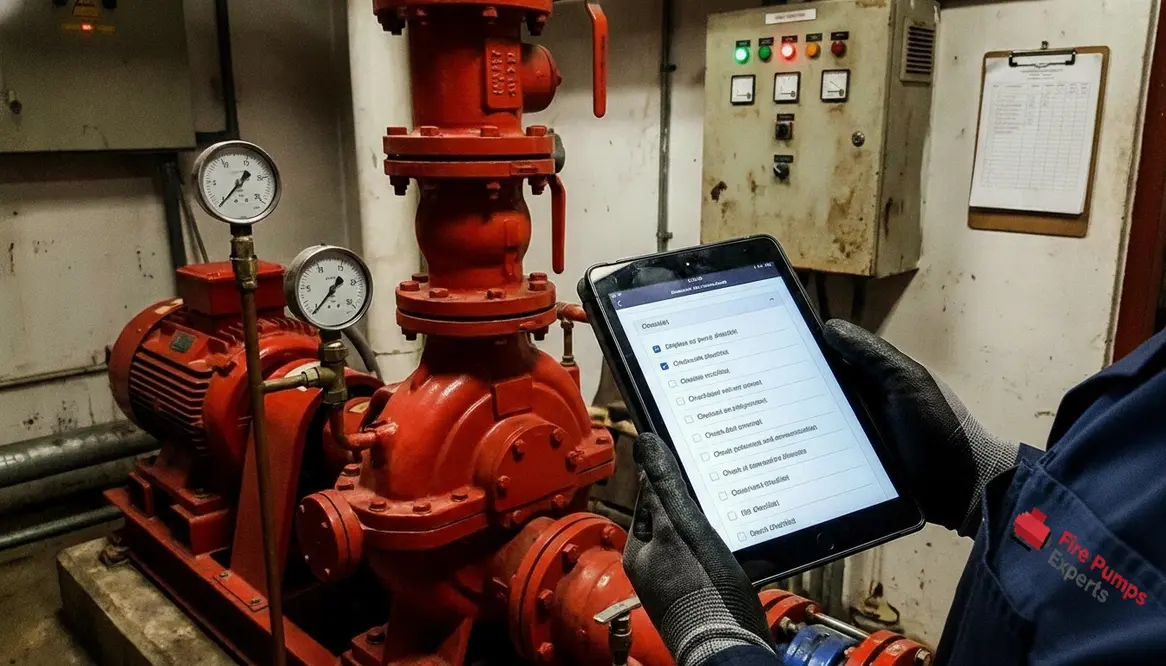
AS 2941 Fire Pump Inspection Checklist Guide
A practical look at what gets checked, why it matters, and how to keep fire pump systems ready when it counts.
AS 2941 Fire Pump Inspection Checklist: What I Check, Why It Matters, and How I Keep Systems Ready
When I walk into a commercial or industrial site, I treat the AS 2941 inspection like the quiet hero of fire safety. It does not make noise. It does not ask for attention. Yet when a fire pump fails, everyone suddenly cares, and fast. I have seen how a solid inspection routine protects major property buildings, keeps systems reliable, and helps teams avoid a very bad day. So, in this guide, I will break down what I check, why I check it, and how I keep the process simple, clear, and effective.
Quick answer: what the AS 2941 inspection covers
I use this inspection to confirm that the fire pump system can start, run, and support the water supply when a fire event hits. In practice, I look at the pump, driver, power source, controls, valves, gauges, and test results. I also check for signs of wear, leaks, trouble alarms, and anything that could turn a life safety system into a very expensive paperweight. Nobody wants that kind of surprise.
At a glance: what I focus on
- Pump body condition and visible leaks
- Driver health (electric or diesel)
- Power supply, control panel, and alarms
- Suction and discharge valves, gauges, and relief valves
- Fuel supply, batteries, and starting performance
- Test results and the story told by the records
AS 2941 inspection checklist for commercial sites
When I inspect a fire pump in a commercial or industrial building, I follow a clear path. First, I confirm access to the pump room and make sure the area stays clean, dry, and easy to reach. Then I inspect the pump body for leaks, corrosion, loose fittings, and odd vibration. I also check the driver, whether it runs on electric power or diesel, because both need regular care.
Next, I review the control panel. I want to see normal power, correct alarm status, and no warning lights shouting for attention. After that, I inspect suction and discharge valves, pressure gauges, relief valves, and pump packing or seals. Finally, I confirm the fuel supply for diesel units, the battery condition, and the test log. A clean record tells me the team has done the work, not just hoped for the best. Hope is nice. Maintenance is better.
Dual view: what I check during the inspection
Equipment condition
Here, I look at visible wear, corrosion, vibration, leaks, and alignment. These small signs often point to bigger trouble later.
Operational readiness
Here, I confirm the pump starts properly, reaches the right pressure, and responds as expected under test conditions.
How I test the pump system step by step
I never rush the test. Instead, I follow a steady routine that helps me spot weak points before they become real failures. First, I verify the pump is ready for test and that the building team knows what is happening. Then I run the pump in accordance with the site procedure and the applicable standard. During the test, I watch pressure, flow, start time, noise, heat, and any abnormal movement.
After that, I compare the results with expected performance. If the pump struggles to start, loses pressure, or behaves like it has stage fright, I flag it. I also check whether the automatic start function works as intended. In a fire event, there is no room for hesitation. A fire pump should act like a seasoned action star, not someone waiting for a cue card.
For commercial and industrial facilities, I also pay attention to system demand. A major property may have large risers, long pipe runs, or high water use. That means the pump must handle the load without drama. I make sure the test shows the system can do its job under real world pressure. A structured AS 2941 inspection routine makes this far easier to manage and repeat.
What I look for in records, faults, and follow up
An inspection means more than taking a quick look and moving on. I always review records because the history of a system often tells the real story. If the same fault keeps appearing, I know the issue has not been solved. So, I check maintenance logs, test sheets, repair notes, and any previous alerts.
Then I look for repeat problems such as low pressure, failed starts, battery issues, damaged seals, or valve trouble. I also confirm that any past repairs actually fixed the root cause. A band aid may work for a cut finger, but it does not belong on a fire pump strategy. If I find a serious fault, I recommend immediate action and a proper follow up plan.
When I call in extra help
For deeper guidance, I often point teams to the fire pump inspection services for commercial and industrial buildings page, especially when they need structured support for large sites and major properties. On complex sites, a disciplined AS 2941 inspection framework often benefits from specialist input to keep everything aligned and defensible.
Why AS 2941 inspection matters for major properties
Commercial and industrial buildings carry higher risk because they often hold more people, more equipment, and more valuable assets. That is why a strong inspection process matters so much. I use the AS 2941 inspection to help reduce the chance of pump failure, improve compliance, and support safer building operations.
Just as important, regular checks can help owners avoid costly downtime. If a fire pump fails in a warehouse, hospital, plant, or office tower, the impact can be huge. Operations may stop, repairs may drag on, and insurance claims may get messy. So, I treat each inspection as both a safety task and a business task. That is not flashy, but it is smart.
Confidence through consistency
When I stay consistent, I give building teams confidence. They know the system has been checked by someone who understands what matters, not just what looks shiny in the room. A disciplined AS 2941 inspection routine turns fire pumps from mystery equipment into known, predictable assets that are ready to perform.
FAQ
Conclusion
If you manage a commercial or industrial property, I recommend keeping your fire pump checks tight, regular, and properly recorded. A strong AS 2941 inspection protects people, supports compliance, and helps your building stay ready when it counts. If your current process feels patchy, now is the time to fix it. Review your pump system, close the gaps, and get the right support before a real emergency writes the ending for you.