AS 2941 Fire Pump Installation Requirements Guide
AS 2941 Fire Pump Installation Requirements Overview
When I look at AS 2941 installation for fire pumps, I do not see paperwork. I see the backbone of life safety in commercial and industrial buildings. A fire pump does one job, and it does it under pressure, literally. If the system fails, the whole building feels it. So, I treat this standard as a practical guide for getting water where it needs to go, when it matters most. In a major property, that is not a nice to have. That is the whole game.
In this article, I will walk through the main requirements, the key checks, and the common mistakes that can turn a solid project into a costly headache. And yes, fire pump rooms may be serious business, but there is still room for a little human touch. Even codes can have personality, in the same way a steel door has personality. Not much, but enough.
What AS 2941 installation means for major facilities
AS 2941 installation sets the rules for fire pump systems used in commercial and industrial settings. It helps ensure the pump can support the fire protection system during an emergency. I see it as the bridge between design intent and real world performance. If the bridge is weak, the building pays the toll.
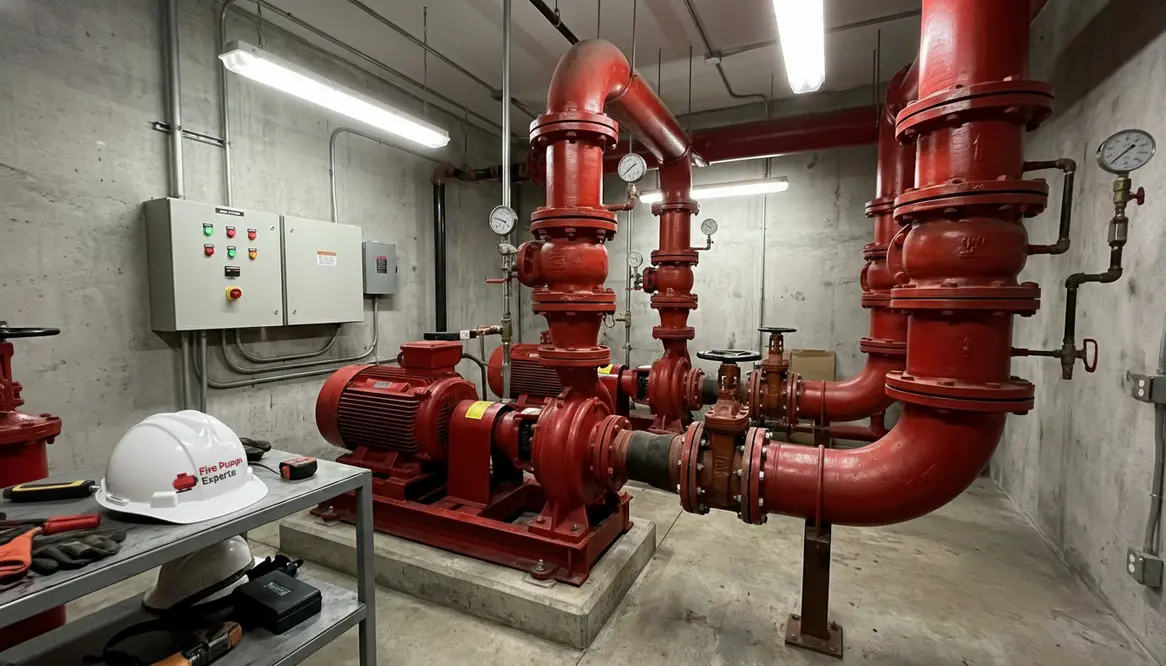
This standard covers how the pump, driver, controls, suction, discharge, and support gear must work together. It also shapes how the system sits inside the building. That means room size, access, ventilation, drainage, and maintenance space all matter. In other words, the pump cannot be squeezed into a corner like an old couch in a student flat.
The main goal is simple. The pump must start reliably, run properly, and supply the needed pressure and flow. For commercial towers, logistics hubs, plants, and large estates, that reliability is non negotiable. It keeps occupants safer and helps protect assets, operations, and business continuity.
Fire pump room requirements you should plan for
The fire pump room needs proper space and support from the start. I always look at the room as part of the system, not just a box that holds equipment. If the room fails the setup, the pump will not perform at its best.
Here is a quick dual view of the key room needs:
Physical space
The room must allow safe access to all sides of the pump and controls. Installers and maintenance teams need room to inspect, test, and repair without a wrestling match with pipework.
Environmental control
The space must stay dry, secure, and properly ventilated. Heat build up, water leaks, or poor airflow can shorten equipment life and create avoidable faults. A fire pump room should feel like a controlled asset space, not a swamp with ambition.
Power and access
The power supply, controller, and any backup systems must remain accessible and protected. I also check that the room allows fast entry during testing or emergencies. If people cannot reach the gear, the gear becomes a very expensive sculpture.
Drainage and housekeeping
Good drainage matters because pumps and fittings may need test flow or maintenance water removal. Clean floors, clear paths, and safe access make the whole setup easier to manage over time.
How I check pump, suction, and discharge setup
This part deserves care, because the hydraulic side makes or breaks the system. First, I confirm the pump matches the building demand. Then I look at the suction line, discharge line, and all connected valves and fittings. Every piece must support smooth flow without needless restriction.
For suction, I want stable water supply and proper pipe sizing. Poor suction design can cause cavitation, noise, and reduced performance. That is the engineering version of a bad coffee run. Nobody wins. I also check the pump base and alignment so vibration stays low and the unit runs cleanly.
For discharge, I verify that the piping can move the required water volume and pressure to the fire system. The valves must be clearly arranged and easy to operate. I also make sure the test and relief arrangements suit the system design. These details may seem small, but small details are where large failures like to hide.
If a project includes a reference document or service guide, I suggest linking to an official fire pump installation standard resource so teams can verify the latest requirements and build with confidence. For commercial and industrial properties, that kind of reference can save time, money, and more than a few grey hairs. A practical place to start is a specialist technical site such as https://firepumps.org, which curates guidance focused on pump performance and compliance.
AS 2941 installation checklist for compliance
When I review AS 2941 installation work, I use a simple checklist approach. It keeps the job clear and helps catch issues before commissioning. The standard may be technical, but the process should feel practical.
- Confirm the pump suits the building fire demand
- Check the room size, access, and ventilation
- Verify power supply, controls, and backup arrangements
- Inspect suction and discharge pipe layout
- Confirm valves, gauges, and fittings are easy to reach
- Test drainage, lighting, and room safety conditions
- Carry out start up and performance checks before handover
Once I get through that list, I know the installation has a far better shot at long term reliability. Also, I can sleep better, which is always a bonus when dealing with critical building systems.
FAQ about fire pump installation in commercial buildings
Why I treat this standard as a business critical step
I never see fire pump work as a box ticking exercise. I see it as a business critical safeguard for large buildings that cannot afford weak protection. When the pump system meets the standard, the building gains resilience. When it does not, everyone feels the risk, from site managers to owners to occupants.
AS 2941 installation is where design intent, equipment choice, and on site workmanship meet real world performance. Aligning those three pieces is not just about passing inspections. It is about giving people in the building a system that will respond the way they expect when alarms sound and conditions are at their worst.
Ready to make your fire pump project safer and simpler? I can help you review the requirements, tighten the details, and guide your commercial or industrial installation toward full compliance. If you want a clearer path through the process, reach out now and let us turn a complex job into a confident result. Your building deserves a system that works when it must, not just one that looks good on paper.