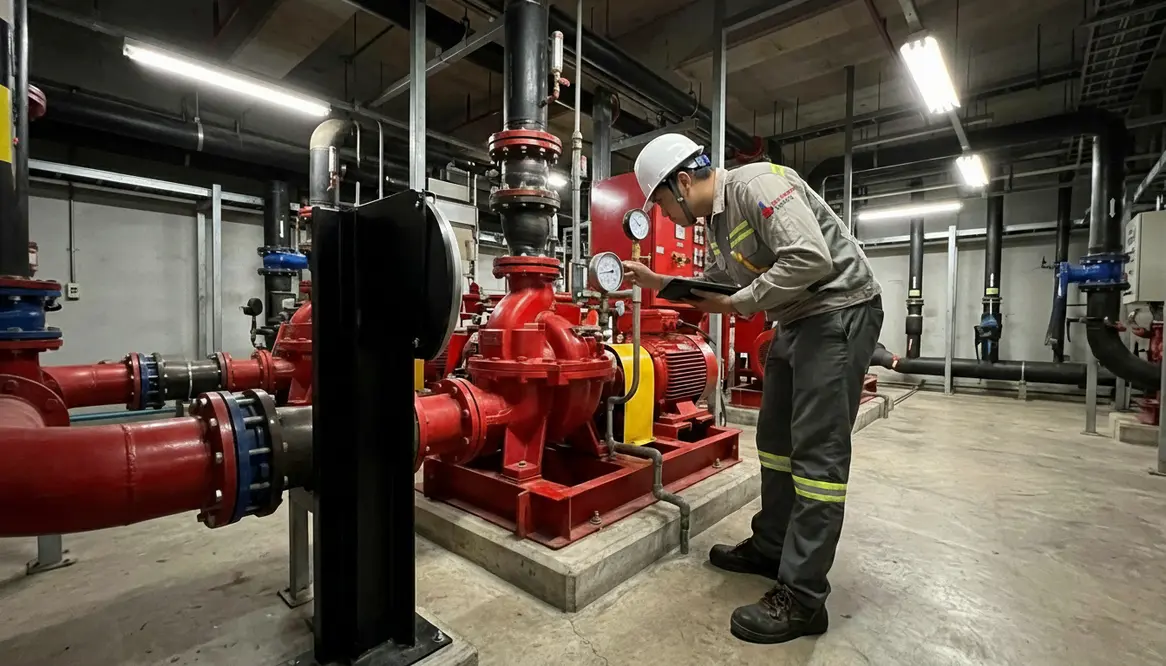
AS 2941 Fire Pump Testing Requirements Guide
AS 2941 fire pump testing requirements explained
When I talk about fire protection in commercial and industrial buildings, I always come back to AS 2941 testing. It is the steady, behind the scenes work that helps keep a fire pump ready when things go sideways. And in a world full of alarms, deadlines, and “we will fix it next week” promises, that kind of reliability matters. In this article, I will break down what the standard expects, why the testing matters, and how building owners can stay on the right side of safety and compliance without losing sleep.
Why this standard matters more than you think
AS 2941 testing is not just paperwork. It is the practical framework that proves your fire pump will deliver when your sprinkler or hydrant systems are under real pressure, not just test conditions.
If the pump fails when the system calls for flow, insurance, regulators, and very unhappy stakeholders will all want to know why. “It worked last year” is not a defence anyone wants to test in the real world.
What AS 2941 testing means for your building
AS 2941 testing sets the rules for checking fire pumps used in fire fighting systems across commercial and industrial properties. I see it as the health check your pump cannot skip. The standard looks at performance, pressure, flow, controls, and overall readiness. In plain terms, it helps confirm the pump will do its job when a fire system needs water fast.
For major properties, this is not just a box to tick. It affects safety, compliance, and building uptime. If a pump fails under load, the whole fire system can suffer. And that is a very expensive way to learn that “it worked last year” is not a compliance strategy.
When AS 2941 testing should happen
I usually tell clients to treat fire pump testing like a routine, not a rescue mission. The standard calls for regular checks, and the exact schedule depends on the pump type, system use, and site conditions. However, the key point stays the same. You do not wait for a warning sign to appear before you test.
- Weekly or routine visual checks
- Periodic run tests
- Performance testing at set intervals
- Full service inspections by a qualified technician
Because commercial and industrial sites work hard, their fire systems must work harder. A warehouse, plant, or high rise does not get a pass just because the calendar is busy. Even Batman had a maintenance plan.
What a fire pump test actually checks
I like to think of a fire pump test as a live rehearsal. The goal is not just to see if the pump starts. The real goal is to see how it behaves under pressure. A proper test should check key parts of the system and show whether the pump can support fire protection demand.
Dual view of a proper test
- Mechanical side: The pump, engine or motor, valves, fuel supply, and bearings must all perform as expected.
- System side: The controller, alarms, pressure levels, and water delivery must match the site’s needs.
Also, the technician should look for signs of wear, leaks, vibration, and poor starting response. These small issues can turn into large failures later. That is why testing is not just about numbers. It is about spotting trouble before it becomes a headline.
How I approach AS 2941 testing on site
When I handle AS 2941 testing for commercial or industrial facilities, I follow a clear process. First, I review the site details and the fire system setup. Then I inspect the pump area, confirm access, and check that nothing blocks safe operation. After that, I run the test and record the readings.
- Checking pump condition before startup
- Running the pump and watching the start sequence
- Measuring pressure and flow performance
- Looking at alarms, controls, and power supply
- Recording results for compliance and future tracking
Real world factors that affect your pump
Because every site is different, I also pay attention to environmental factors. Heat, dust, vibration, and heavy use can all affect performance. A pump sitting in a tough plant room does not live a pampered life, and honestly, it knows it.
AS 2941 testing gives a consistent structure to measure how that tough environment is changing the pump over time, so maintenance is planned, not panicked.
Why AS 2941 testing matters for compliance and risk
Fire pump testing does more than satisfy a standard. It helps reduce risk for people, property, and business operations. If your system fails during an incident, the damage can spread fast. So, I always push for testing that is accurate, well documented, and done on time.
Good testing also helps with maintenance planning. When you track performance over time, you can spot trends before they become failures. That means fewer surprises, fewer repairs under pressure, and fewer awkward conversations with stakeholders who thought the fire system was “basically fine.”
If you want a practical place to start, I recommend reviewing expert guidance from https://firepumps.org/as-2941-testing/. It gives building owners and facility managers a clearer path toward proper inspection and ongoing compliance, and keeps AS 2941 testing aligned with the realities of your specific site.
FAQ: AS 2941 fire pump testing
AS 2941 testing tends to raise the same practical questions from property and facility teams. Here are some straight answers.
Conclusion
If you manage a commercial or industrial property, I recommend treating fire pump testing as a serious habit, not a last minute chore. AS 2941 testing protects your building, your people, and your operations when it matters most. It gives you structure, evidence, and a clear rhythm for keeping critical equipment ready.
So, if your fire pump has not had proper attention lately, now is the time to act. Schedule a qualified inspection, review the records, and keep your system ready for the day it must perform. The cost of disciplined AS 2941 testing is always lower than the cost of finding out, too late, that your pump was not ready.