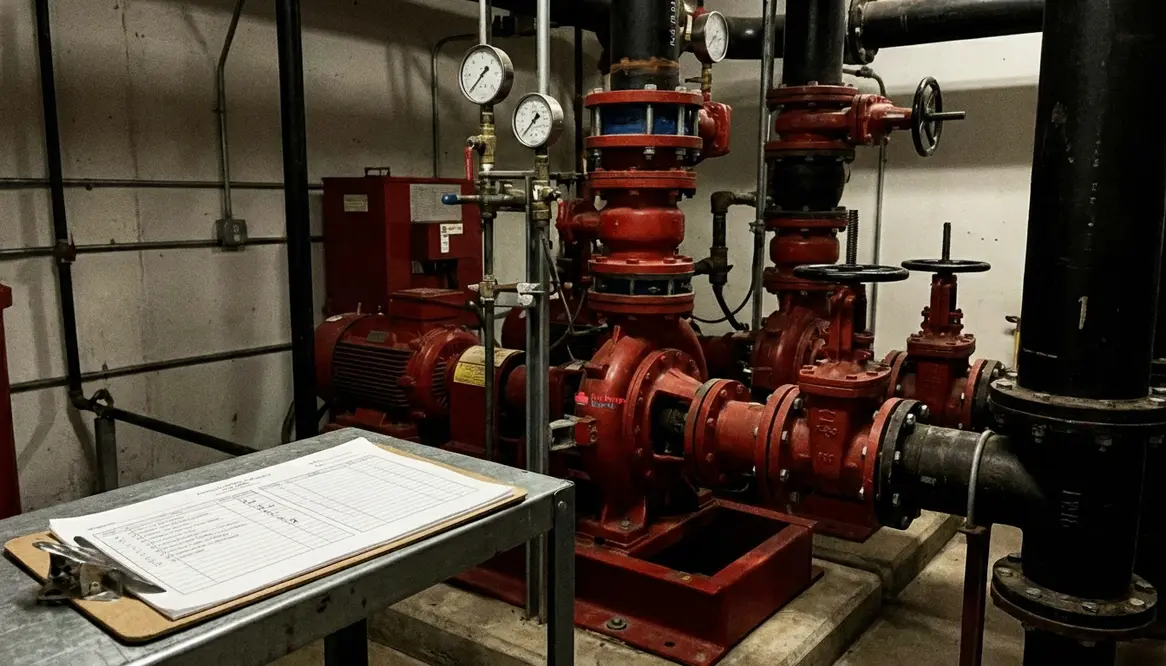
AS NZS Fire Pump Standards Guide for Building Owners
A practical walkthrough of what matters, why it matters, and how to stay compliant without turning fire pumps into a full-time job.
AS/NZS fire pump standards explained for building owners
When I talk about fire safety in major commercial and industrial buildings, I start with the basics: AS/NZS standards set the rules for how fire pumps should perform, be installed, and be maintained. These standards help building owners protect people, property, and business continuity when a fire strikes. And yes, this is one of those topics that sounds dry until the day it saves a tower, a warehouse, or a plant from becoming a very expensive campfire. In this guide, I will break down what matters, why it matters, and how I would approach compliance without turning the whole process into a full time headache.
Quick view for building owners
- AS/NZS standards define how fire pumps should be designed, installed, and maintained.
- A compliant pump is central to life safety, asset protection, and insurance expectations.
- Compliance is an ongoing process shaped by building use and risk, not a one-off certificate.
Why AS/NZS fire pump standards matter for large buildings
I see fire pumps as the quiet muscle of a fire protection system. They sit in the background, but when pressure drops, they step up fast. That matters in tall offices, logistics centres, industrial sites, hospitals, shopping centres, and other major properties where water demand can rise quickly. The AS/NZS standards help make sure the pump can deliver the right pressure and flow when the sprinklers, hydrants, or fire hose reels need it most.
For building owners, the point is simple. A compliant fire pump supports life safety, reduces damage, and helps you meet legal and insurance expectations. If your pump fails, the whole system can wobble like a bad movie sequel. Therefore, I treat these standards as part of the building’s operating core, not just a box to tick.
What the standards cover in fire pump design and setup
The standards guide several parts of the system. First, they shape the pump selection. I need the pump size, duty point, and pressure to match the building’s fire risk and water demand. Next, they cover installation details, including location, ventilation, access, and protection from heat, flooding, or damage. Then, they address controls, alarms, fuel supply for diesel sets, and backup arrangements so the pump can keep running under stress.
In practice, I look at these main points:
Fire pump design requirements
- Correct flow and pressure for the site
- Reliable power source or backup power
- Safe room layout and easy access for maintenance
- Clear control and alarm functions
- Protection from failure during emergency use
Fire pump installation and testing
- Proper pipework and fittings
- Pump room ventilation and drainage
- Initial performance testing after install
- Clear signoff records for compliance
As a result, the pump does not just exist on paper. It works in the real world, where fires do not care about paperwork, schedules, or your Monday meeting.
How I check compliance for commercial and industrial sites
When I review a site, I start with the building type, fire load, and water supply. Then I check whether the pump system matches the actual risk. For example, a high rise office tower needs a different approach from a heavy industrial plant with large floor areas and high demand zones. I also review whether the building has changed over time. A tenant fit out, warehouse expansion, or plant upgrade can alter fire demand without anyone noticing right away. That is where trouble likes to hide.
To keep things clear, I use a simple dual view of the compliance task:
What I look for
- The right pump capacity for the building use
- Current test records and service logs
- Signs of wear, leaks, or control issues
- Fuel, power, and water supply reliability
What building owners should ask
- Does the system still suit the building now?
- Has any change affected the fire risk?
- Are inspections happening on time?
- Would the pump pass a real emergency?
Because standards evolve, I also make sure the system aligns with current rules and local requirements. For practical guidance, I often point owners to a trusted commercial fire pump compliance resource that focuses on major properties and industrial facilities. That kind of reference helps keep the conversation grounded in real site needs, not guesswork from the back of a napkin.
Maintenance and testing that keep the system ready
A fire pump can meet the standard on day one and still fail later if nobody keeps an eye on it. That is why I treat maintenance as ongoing risk control. Regular checks help catch issues with batteries, starters, bearings, valves, cooling systems, and controls before they become a very bad surprise. In addition, test runs confirm the pump still starts, holds pressure, and performs under load.
I usually focus on these actions:
- Weekly or routine visual checks
- Scheduled start and run tests
- Flow and pressure verification
- Review of alarms and fault signals
- Logbook updates after every service visit
Good records matter just as much as good hardware. They prove care, support audits, and help owners spot patterns. If the pump has been limping along for months like an old action hero on the last scene, the records will usually tell the story.
Common mistakes building owners should avoid
I see a few mistakes again and again. Owners sometimes assume the system stays compliant forever after installation. However, buildings change, and so do demands. Others skip routine testing because the pump “looks fine,” which is a bold strategy for fire protection and a terrible one for peace of mind. Another common problem is poor access. If maintenance staff cannot reach the pump room safely and quickly, response time suffers.
So, I always tell owners to avoid these traps:
- Ignoring changes in building use
- Delaying maintenance after faults appear
- Treating records as optional
- Blocking access to the pump room
- Using unqualified service help
When owners stay proactive, they protect the building and reduce costly downtime. That is good business, plain and simple.
How AS/NZS standards fit into your long-term strategy
AS/NZS standards are often treated as paperwork, but they work better as a planning tool. Used well, they help you sequence upgrades, target high-risk gaps, and budget for plant replacement before it turns into an emergency project.
When you line up your fire pump strategy with AS/NZS standards and your asset plan, you gain a few things: clearer conversations with insurers, fewer surprises during audits, and a stronger case when you need funding for upgrades.
FAQ
Conclusion
If I had to sum it up, I would say this: fire pump compliance is not just about following a rulebook, it is about keeping a serious system ready for a serious moment. If you own or manage a commercial or industrial property, I recommend reviewing your current setup, maintenance records, and site risk now. Then, speak with a qualified fire pump specialist who understands AS/NZS standards and major building demands. A calm plan today can prevent chaos tomorrow.