AS/NZS Fire Pump Water Supply Guide for Buildings
AS/NZS Fire Pump Water Supply Considerations for Commercial and Industrial Buildings
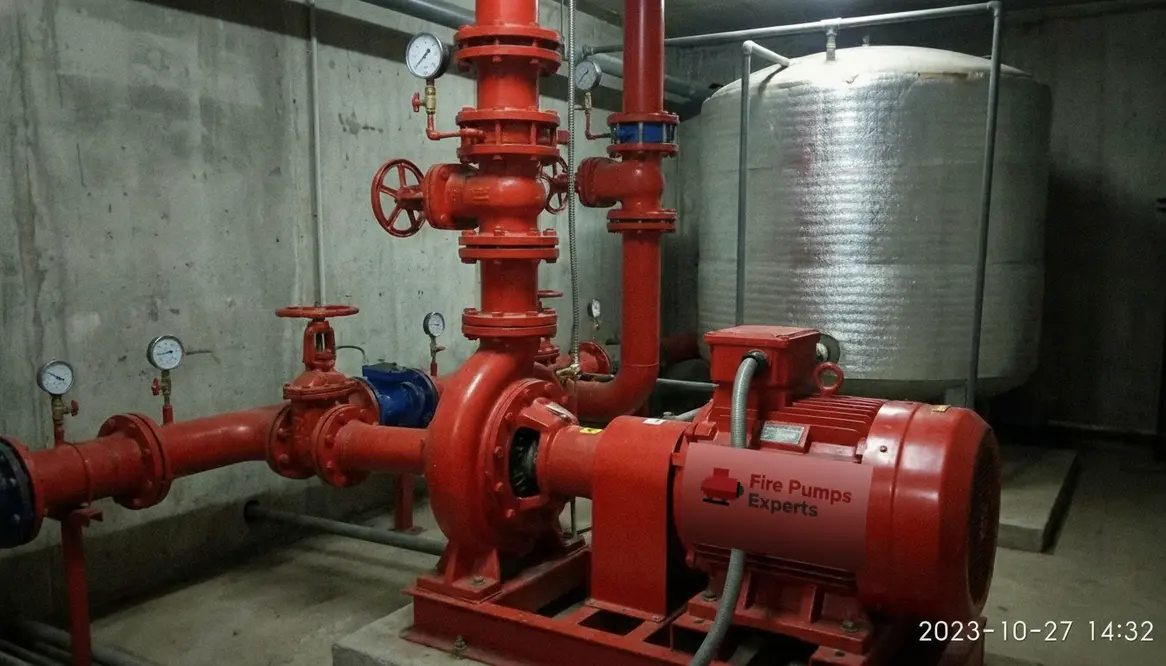
When I look at AS/NZS water supply needs for fire pumps, I see more than pipes, tanks, and pressure gauges. I see the quiet backbone of a building’s fire protection plan. In a commercial tower, a factory, or a major property, the pump only works as well as the water behind it. If that supply falls short, the whole system starts acting like a hero with a flat battery. That is never a good scene.
So, I focus on the water source first. After that, I check flow, pressure, reliability, and the way the supply behaves during real fire demand. That approach helps me keep fire pump systems aligned with AS/NZS standards while also supporting practical use in large buildings and industrial sites.
What I check first in a fire pump water supply
I always start by asking one simple question: can the water source support the fire pump under real emergency demand? If the answer is uncertain, I dig deeper. The source may come from a town main, a storage tank, a dam, or another approved supply. However, the source must deliver enough water at the right pressure for the full duty of the system.
I also look at continuity. A water source that works fine on a calm Tuesday may behave very differently during peak demand or when nearby users draw from the same main. That is where planning matters. For commercial and industrial facilities, I treat water supply as a live system, not a theory in a folder.
To stay on track, I review:
- Available flow at the required pressure
- Supply reliability during peak use
- Storage capacity if the main cannot carry full demand
- Connection size and pipe condition
- Any risk of air, blockages, or sudden pressure loss
That may sound like a lot, but it is cheaper than learning the hard way. Fire systems do not enjoy surprises. Neither does insurance.
Why pressure and flow matter so much
Flow and pressure sit at the heart of any fire pump design. I need enough water volume, and I need it to move with enough force to reach the protected area. If flow drops, sprinkler performance can suffer. If pressure falls too low, hose reels and hydrants may not deliver what the system needs.
Here is the simple version: water has to arrive fast enough and strong enough. In a major building, the pump may serve several zones or a large suppression network. Therefore, I never assume the existing supply will perform well just because it looks solid on paper. Paper is neat. Fires are not.
For large sites, I also compare the pump duty point with the available supply curve. That tells me whether the pump can actually perform the job or whether it is merely dressing for the role.
| Supply Issue | What I Look For | Why It Matters |
|---|---|---|
| Low pressure | Gauge readings, pump curve match | System may not discharge properly |
| Low flow | Test results, main size, storage | Pump may starve under demand |
| Unstable supply | Peak use, interruptions, site history | Fire response may fail when needed most |
Relating flow and pressure back to AS/NZS water supply expectations
Whenever I review flow and pressure, I map those results back to AS/NZS water supply criteria for the specific system type. That keeps test data grounded in real performance needs instead of wishful thinking or optimistic design assumptions.
How I assess AS/NZS water supply risks on site
In real projects, I do not stop at theoretical capacity. I inspect the site conditions that can weaken the supply. For example, aging pipework can reduce flow through scale, corrosion, or hidden restrictions. Likewise, a shared water main may look adequate until nearby demand spikes. Then the whole system takes a hit.
I also pay close attention to tanks. If a tank feeds the fire pump, I check usable volume, refill rate, suction arrangement, and protection from contamination. Moreover, I look at the pump room layout, because a poor layout can create suction problems or maintenance headaches. And maintenance problems, as we all know, love to show up at the worst possible time, like a villain in a sequel.
Key site checks I use:
- Test the water source under realistic demand
- Confirm suction conditions and avoid air entry
- Review tank refill rate and reserve volume
- Check for shared supply risks with other tenants or processes
- Confirm the system matches the building’s fire risk
I always recommend working with experienced fire pump specialists who understand commercial and industrial facilities. For more background, I often refer to the commercial fire pump supply guide as a useful starting point for building owners and managers who need practical guidance.
Common weak points in AS/NZS water supply setups
- Assuming the town main will always perform like it did on one daytime test
- Ignoring future expansion of the site that increases fire water demand
- Undersized suction lines that choke the pump when it finally needs to work
- Storage tanks that look big but offer limited usable volume at pump level
What I do when the building needs a dual supply plan
Sometimes one water source is not enough. In that case, I build a dual supply plan. This can mean a town main plus storage, or two independent sources that support the pump in different ways. The aim is simple: if one source weakens, the second one keeps the system alive.
For major properties, I often see dual supply plans used to improve resilience. That makes sense, because downtime costs money, and fire risk does not care about the accounting calendar. A second supply can also help during maintenance, testing, or temporary disruptions.
When I design or review a dual supply setup, I focus on:
- Automatic changeover between supplies
- Backflow protection and safe isolation
- Equal or suitable pressure support
- Clear maintenance access for both lines
- Evidence that each source can meet the system demand
Just as important, I make sure the controls remain simple. A complicated setup may look impressive, but if it confuses staff during an emergency, it becomes a problem instead of a solution. Fire safety should feel calm, even if the building is doing its best impression of a disaster movie.
Dual supply and long-term AS/NZS water supply compliance
A dual source arrangement only helps if both sources satisfy the intended AS/NZS water supply performance over time. I keep records, test both paths, and confirm that changeover controls still behave the way the design intended.
How I keep the system ready for the long run
Once the supply is in place, I do not walk away and call it done. I check it over time. Water supply conditions change. Demand changes. Equipment ages. So, I support routine testing, flow checks, and maintenance records that show the system still matches the original design intent.
I also watch for signs that the building use has changed. A warehouse may expand, a plant may add new processes, or a property may increase occupancy. Each change can affect water demand. Therefore, I treat the fire pump water supply as part of the building’s living safety plan, not a one time install.
At this stage, I keep the goal clear: reliable water, stable pressure, and a pump that can do its job when every second counts. That is the kind of quiet strength a commercial facility needs.
FAQ
Conclusion
Ready to protect your commercial or industrial facility with confidence? I can help you review your fire pump water supply, spot weak points, and align the system with AS/NZS expectations. A strong setup starts with clear checks, practical planning, and the right expert support. If you want reliable fire protection that works when it matters, now is the time to act and get the supply side right.