BS EN 12845 Fire Pump Installation Deficiencies Guide
How weak details in BS EN 12845 installation work turn into costly failures when the sprinkler system is needed most.
BS EN 12845 Fire Pump Installation Deficiencies can look small on paper, and then turn into a very expensive problem when a sprinkler system needs to work for real. I have seen how one weak pump room detail, one poor pipe run, or one skipped test can throw the whole fire protection plan off balance. In commercial and industrial buildings, that risk is not theory. It is downtime, damage, and a very bad day with a clipboard. So, in this guide, I will walk through the most common weaknesses I see in BS EN 12845 installation work, why they matter, and what I would check first if I wanted the system to perform when it counts.
Across warehouses, production plants, and large offices, the same avoidable errors keep showing up. Some are design shortcuts, some are rushed installation choices, and some are simply the result of nobody asking the awkward questions at the right time. The goal here is not to name and shame, but to show where the real risks usually sit, and how a tighter approach to BS EN 12845 installation can prevent a very expensive lesson later on.
What I check first in BS EN 12845 installation
When I review a fire pump set, I start with the basics, because that is where most failures hide. The pump may be the star of the show, but the room, the feed, and the controls write the script. If any of those parts slip, the system can still pass a quick glance and fail under pressure. That is the sort of surprise nobody wants in a warehouse, plant, or large office block.
Pump room location and access
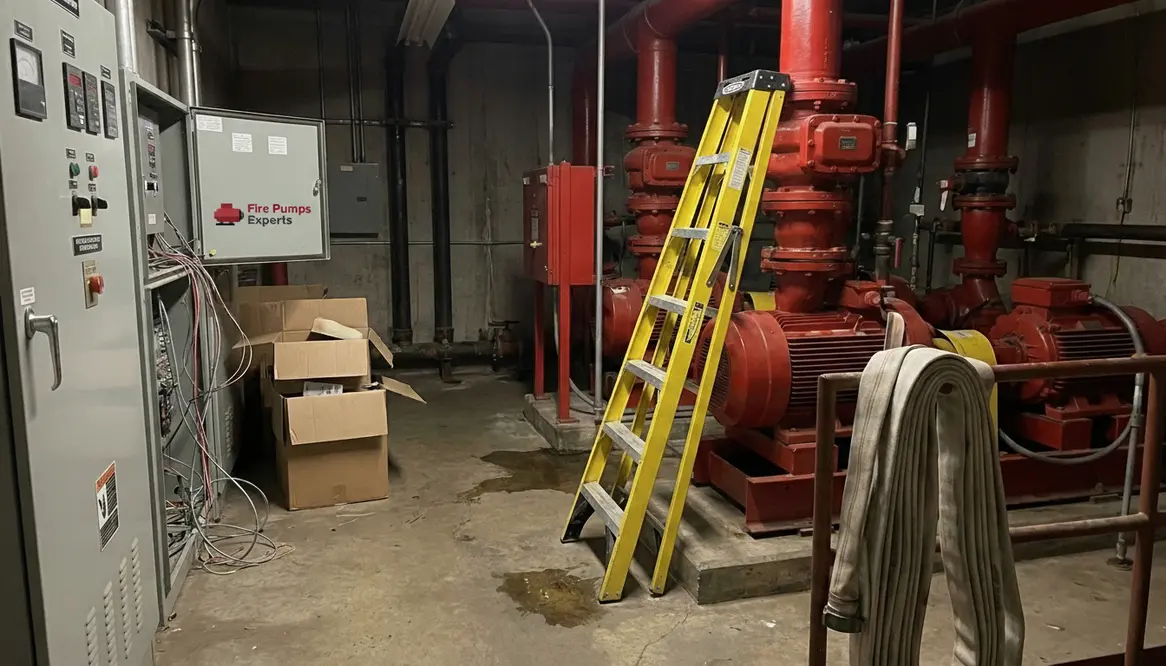
First, I look at pump location and access. The pump room must stay clear, dry, and easy to reach. If staff have to move storage, squeeze past equipment, or hunt for the door like it is a scene from a mystery film, the setup already has a flaw. I also check the power supply, battery backup, and controller placement. These parts must stay protected and easy to inspect. A neat plant room is not a luxury; it is part of the fire safety plan.
Suction and discharge pipework
Next, I check suction and discharge pipework. Poor pipe support, wrong pipe size, sharp bends, and air leaks can all hurt performance. The pump might still run, but it may not deliver the flow and pressure the building needs. That is like buying a sports car and then leaving it stuck in second gear. It looks impressive, but it will not save the day.
Common deficiencies I see on site
Many issues repeat across commercial and industrial sites, and they often begin during design, then grow during installation. The good news is that most of them are visible if I know where to look. The bad news is that they often hide behind a fresh coat of paint and a confident nod.
- Poor pump room layout: I often see blocked access, cramped service space, or missing labels.
- Weak suction conditions: Air leaks, bad alignment, and short water supply can reduce performance fast.
- Improper pipe support: If the pipework moves, vibrates, or strains the pump, wear follows soon after.
- Control faults: Loose wiring, wrong settings, or poor segregation can stop automatic operation.
- Missing test points: Without proper testing, I cannot prove the pump will meet demand.
Each of these can seem minor at first. However, together they can turn a reliable fire pump into a very expensive ornament. And yes, a fire pump that only looks good is about as useful as a chocolate teapot in a boiler room.
For facility teams that want a deeper technical check, I often suggest using a trusted BS EN 12845 fire pump installation guide as a reference point during inspection and review. It helps keep the focus on the details that matter in large property and industrial settings.
How I test performance and spot hidden problems
Testing tells the truth. I can inspect a system for ten minutes and learn a lot, but a proper test tells me whether the pump can do its job under real demand. That is why I treat commissioning and ongoing test records as gold. They show patterns, and patterns show trouble before failure does.
Dual view: visual check and performance check
Visual check: I look for leaks, poor alignment, corrosion, loose bolts, damaged cabling, and signs of vibration. These often point to deeper issues.
Performance check: I compare actual flow, pressure, start times, and controller response against the design intent. If the numbers drift, I do not shrug and move on. I dig deeper.
Pressure loss across the system can reveal hidden pipe restrictions, valve issues, or wrong pump selection. Likewise, slow start-up may point to control faults, weak batteries, or bad electrical supply. I also watch for heat, noise, and vibration, because these often whisper the truth before the pump shouts it. In a busy industrial site, those whispers matter.
Why BS EN 12845 installation fails in large buildings
Large commercial and industrial buildings place heavy demand on sprinkler systems. Long pipe runs, high water needs, staged plant areas, and mixed occupancy all raise the stakes. That means small errors during BS EN 12845 installation can grow into major defects later on. A pump that works near the bench test may not cope with the full load of a high rise, distribution centre, or production facility.
Coordination gaps and missing ownership
I often find failure starts with poor coordination between the fire engineer, installer, and site team. One group assumes another has handled the detail, and the result is a gap. Classic human behaviour, really. We love a plan until the plan needs a bolt tightened. To avoid that, I push for clear sign off, proper as built records, and real site checks before handover.
Maintenance drift and silent failures
Another common issue is lack of maintenance planning. A system can meet standard on day one and drift away by month twelve. If nobody checks valves, tests start routines, and reviews flow results, the gap widens quietly. Then one day the system needs to perform, and the building discovers that confidence is not the same as compliance.
In larger sites, I also see the impact of staff turnover. The person who understood every quirk of the pump set moves on, and the knowledge goes with them. That is why I treat clear documentation, labelled controls, and simple test routines as part of the protection package, not nice extras bolted on at the end of a BS EN 12845 installation.
Practical checks to strengthen BS EN 12845 installation
If I were handed a set of keys and asked to judge a pump room in ten minutes, there are a few things I would always look at. None of them require a lab coat, but together they say a lot about whether the BS EN 12845 installation was treated as a tick-box job or a life-safety system.
- Is there clear, safe access to the pump room, with no storage blocking doors or panels?
- Are the controllers labelled, tidy, and protected from accidental damage or casual tinkering?
- Does the suction pipe look properly supported, with sensible bends and no obvious air traps?
- Are gauges, test points, and valves positioned where a real person can actually use them?
- Do recent test records exist, and do the numbers make sense for the building they serve?
These are not the whole story, but they are a reliable early warning system. When these details are sloppy, the deeper technical work of the BS EN 12845 installation usually needs a hard look as well.
FAQ
Conclusion
If I want a sprinkler system to protect a large building, I cannot treat the pump set like background furniture. I need sound design, clean installation, regular testing, and honest reporting. So, if you manage a commercial site, industrial plant, or major property, now is the time to inspect your fire pump setup with care. Review the details, fix the gaps, and bring in expert help before a small defect turns into a costly failure.