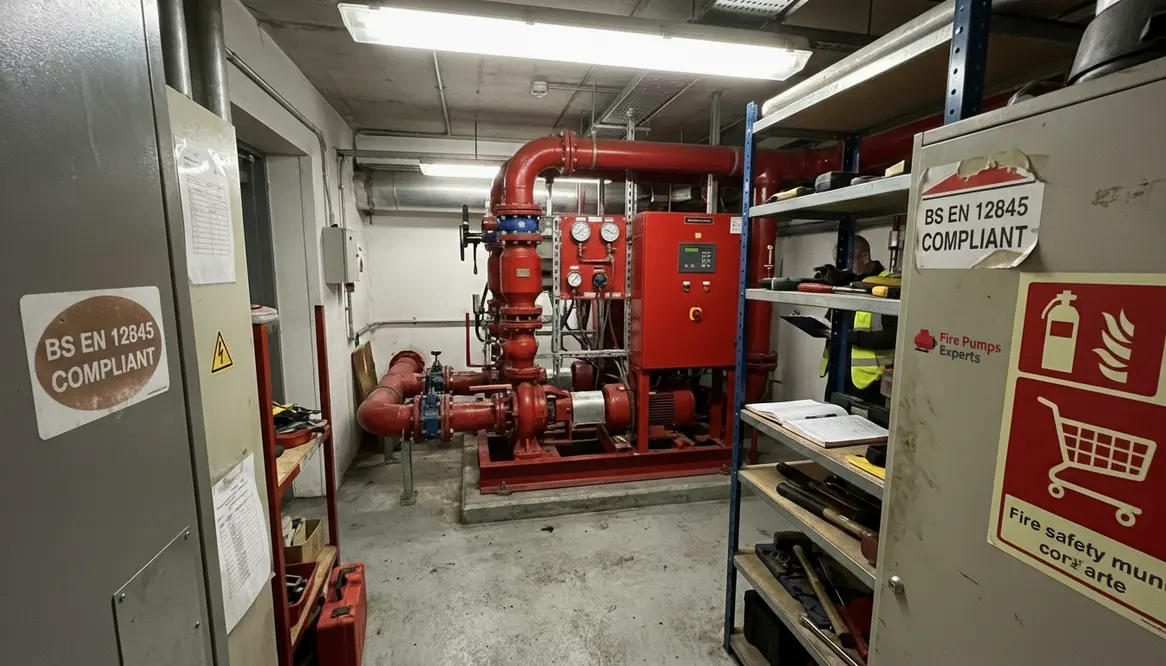
BS EN 12845 Fire Pump Rules for Shopping Centres
BS EN 12845 fire pump requirements for shopping centres sit at the heart of a building’s fire safety plan. I treat them as the steady drumbeat under the whole system. If the sprinklers are the chorus, the fire pump is the bass line that keeps the music going when pressure drops. In a busy shopping centre, that matters a great deal. With crowds, stock rooms, food courts, and long corridors, I need reliable water flow when every second counts. So, in this guide, I break down what the standard expects, how the pump system works, and what I look for when a centre must stay safe, compliant, and ready.
What BS EN 12845 Expects From a Shopping Centre Fire Pump
BS EN 12845 sets the rules for automatic sprinkler systems, and the fire pump must support the sprinkler demand without fail. In simple terms, I need the pump to deliver the right pressure and flow for the hazard level in the building. Shopping centres often include mixed uses, so I always look at the highest risk area, not the nicest looking one. The fashion hall may look calm, but the storage room behind it can tell a very different story.
The standard also expects the pump set to work as part of a full water supply plan. Therefore, I check the water source, tank size, pump duty, standby arrangement, and control method. If the system cannot meet the design demand, the sprinklers may as well be wearing tap shoes in a thunderstorm. They will not perform when needed.
How I Size a Pump for a Retail Complex
When I size a pump for a retail complex, I start with the sprinkler design data. Then I look at the sprinkler density, the number of heads that may operate, and the pressure needed at the most remote point. After that, I make sure the pump can hold the duty point for long enough to support the full fire event.
Here is the simple logic I follow:
- I confirm the hazard classification for each key area.
- I calculate the required water flow and pressure.
- I check friction losses in pipes and valves.
- I confirm the water tank can support the pump run time.
- I review whether a standby pump or backup power is needed.
In many shopping centres, the pump choice must balance reliability and space. That sounds easy until you meet a plant room already packed like a Marvel crossover event. Still, the standard does not bend for clutter, so I plan for access, maintenance, and safe testing from the start.
BS EN 12845 Shopping Centres: Pump Room, Power, and Water Supply
The pump room must stay dry, secure, ventilated, and easy to reach. I want clean access for service teams, and I want enough room around the pump for checks, repairs, and replacement parts. Because fire systems do not enjoy drama, I also keep the room free from heat, flooding risk, and general chaos.
Power supply matters just as much. If I choose an electric pump, I check the main supply and any backup source. If the centre uses a diesel pump, I review fuel storage, ventilation, and exhaust routing. Either way, I need confidence that the pump starts fast and keeps running. No one wants a hero that takes a coffee break when the alarm sounds.
The water supply also needs close attention. The tank must hold enough water for the design duration, and the fill arrangement must support recovery after use. I also review valves, alarms, and pressure controls. Each part may look small on its own, yet together they decide whether the system saves the day or simply looks busy.
This is where the phrase BS EN 12845 shopping centres really earns its keep: the standard shapes how the pump room, power resilience, and water supply come together as one dependable package.
Testing and Maintenance Schedule I Would Use
I never trust a pump just because it looks new. I test it, log it, and test it again. BS EN 12845 expects regular checks that prove the system can perform under real conditions. So, I build a routine that covers daily, weekly, and periodic tasks.
Routine checks that keep pumps honest
Daily I check pressure levels, fault alarms, and pump condition indicators.
Weekly I run the pump and confirm starting, running, and control response.
Monthly I review fuel, batteries, valves, and visible wear.
Yearly I arrange full service checks and system review by a competent specialist.
This routine helps me catch small issues before they become costly repairs or, worse, a failed fire event. It also supports compliance records, which matter when insurers, inspectors, or building managers ask for proof. In business, paper trails may feel dull, but so does explaining why the pump never started.
How I Reduce Risk in a Busy Shopping Environment
Shopping centres bring special risks because people, stock, and services move through the same space all day. Therefore, I look beyond the pump itself and consider the full system around it. I review sprinkler coverage, alarm links, isolation valves, and the impact of refurbishments. A café fit out today can become a fire risk tomorrow if nobody revisits the design.
Priority areas I always review
| Area | What I check |
| Sales floors | Sprinkler coverage and pressure demand |
| Storage areas | Higher hazard load and pump flow need |
| Plant rooms | Access, isolation, and service space |
| Loading bays | Impact risk, exposure, and water supply reach |
For larger commercial sites, I also recommend speaking with a specialist who works with major properties and industrial facilities. If you want deeper guidance on compliant design, you can review BS EN 12845 fire pump requirements for commercial buildings for a useful starting point. It gives a practical route into the subject without dressing it up like a blockbuster sequel.
When people talk about BS EN 12845 shopping centres, this is usually what they mean in practice: aligning the pump, sprinklers, and layout so that everyday changes in tenants and stock do not quietly break the fire strategy.
FAQ
Conclusion
If you manage a shopping centre, I would not leave fire pump compliance to chance. The right BS EN 12845 setup protects people, stock, and the building itself, while also supporting smooth inspections and lower risk. So, review your water supply, pump capacity, and maintenance plan now. Then, speak with a specialist who understands commercial and major property systems. A calm site starts with solid protection, and I always say that peace of mind beats panic by a long mile.
For anyone responsible for BS EN 12845 shopping centres compliance, that peace of mind comes from knowing the design, installation, and upkeep all support the moment the alarms sound, not just the paperwork on a quiet day.