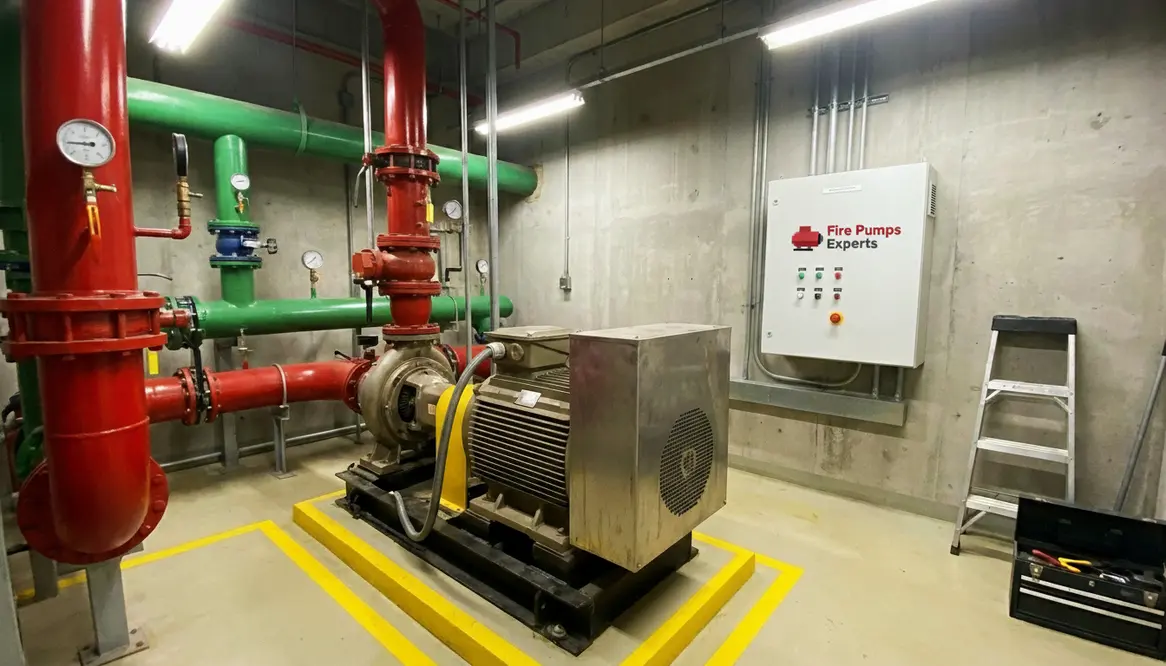
LPC Rules Room Fire Pump Room Requirements Guide
When I look at LPC Rules room requirements for a fire pump room, I see more than a box with a pump inside. I see the nerve center of fire protection for commercial and industrial buildings. And yes, that room has rules. Real ones. Not the kind your cousin ignores while “fixing” a leak with duct tape and hope. In this guide, I break down what matters, why it matters, and how these requirements help keep major properties safe, code ready, and far less dramatic when an emergency hits.
For commercial and industrial facilities, the fire pump room has one job: protect the system that protects everyone else. So I will walk through the basics, the room setup, the equipment needs, and the inspection habits that keep the whole thing working like a well timed movie scene.
What I mean by LPC Rules room requirements
When I say LPC Rules room, I am talking about the space that holds the fire pump and its related gear in buildings that need serious fire protection. These rules help make sure the pump stays ready, accessible, and safe to operate. In short, the room must support the pump without adding new risks. That sounds simple, but in practice it takes careful planning.
First, the room must stay protected from damage, heat, flooding, and unwanted access. Next, it must allow clear movement around the equipment. Then, it must give firefighters and maintenance crews fast access during an emergency. If the room turns into a storage closet for spare chairs, paint cans, and mystery boxes from 2009, then the whole setup starts losing its edge.
Because these facilities often serve large tenant loads, high value assets, or critical operations, the fire pump room must work every time. I always treat it as a priority space, not an afterthought tucked behind a wall like a secret level in a video game.
How I set up the room for safety and access
The room layout matters just as much as the pump itself. I always look for enough space to install, test, service, and replace equipment without turning the job into an obstacle course. Clear access helps everyone, from the service tech to the emergency crew, do the work fast and safely.
Here is what I focus on:
- Enough working room around the pump, controller, and related parts
- Easy entry for maintenance and emergency response
- Proper lighting for inspection and repair
- Protection from freezing, overheating, and water damage
- No storage of unrelated items inside the room
Also, the room should stay clean and dry. Water on the floor can damage equipment, trip workers, and create a bad day in one step. Meanwhile, clutter makes inspections harder and slows down response time. Nobody wants to hunt for a valve while a building is under pressure. That is not a plot twist anyone asked for.
What equipment I expect in the LPC Rules room
A proper fire pump room does more than hold the pump. It supports the full fire protection setup. I expect the room to house the pump, controller, suction and discharge piping, valves, gauges, and any needed power or backup systems. In many cases, the room also needs alarms, ventilation, and drainage control so the system stays stable.
Common fire pump room needs at a glance
Item
- Pump unit
- Controller
- Valves
- Gauges
- Ventilation
- Drainage
Purpose
- Moves water at the needed pressure
- Starts and manages pump operation
- Controls flow and isolates parts for service
- Shows pressure and system condition
- Helps keep heat and fumes under control
- Removes water and prevents damage
That equipment list may sound plain, but each piece plays a role. If one item fails, the whole system can stumble. And in a commercial or industrial setting, stumbling is the last thing you want from fire protection.
I also pay close attention to electrical and backup power needs. A fire pump room cannot depend on wishful thinking or a weak power setup. It needs dependable operation under stress, because emergencies never RSVP before they arrive.
How I handle inspections, testing, and maintenance
This is where the room proves its worth. A fire pump room can look perfect and still fail if nobody checks it. So I keep inspections and testing on a steady schedule. That means looking at valves, pressure readings, control panels, and the general condition of the room itself.
Routine testing helps me catch problems early. For example, I can spot a pressure drop, a stuck valve, a noisy controller, or signs of wear before they turn into a full system failure. That early warning matters a lot in major properties, where one weak link can put people, equipment, and operations at risk.
Keeping the LPC Rules room ready
Maintenance also keeps the room compliant and ready. In my experience, the best fire pump rooms are not the fanciest ones. They are the ones that stay clean, documented, and consistently checked. A little discipline here saves a lot of trouble later. And honestly, that is one of the few places where boring is beautiful.
Why fire pump room compliance matters for major properties
For large commercial and industrial facilities, compliance is not just a paperwork exercise. It supports safety, insurance, and business continuity. A fire pump room that meets code helps the building respond properly when fire conditions demand it. That can protect workers, reduce loss, and keep operations from turning into a very expensive headline.
I also remind property teams that local rules and the adopted LPC standards can shape the final setup. So it helps to review the facility design early, not after construction when changes cost more and morale drops faster than a laptop battery during a power outage. If you need a deeper resource, I recommend reviewing fire pump room requirements for commercial properties as part of your planning process. A good starting point for technical guidance is https://firepumps.org, paired with your local LPC documentation.
How a strong LPC Rules room supports the bigger picture
When the room meets the standard, the entire fire protection system stands on firmer ground. That is the goal. Strong setup, clear access, reliable performance, fewer surprises. The LPC Rules room becomes a controlled space where equipment, layout, and maintenance all line up to do exactly what they are supposed to do when the building is under stress.
FAQ
Final CTA
If you manage a commercial or industrial property, I urge you to take the fire pump room seriously before trouble ever shows up. Review your layout, check your equipment, and confirm that your room meets the right LPC standards. A solid fire pump room protects people, property, and business continuity. If you want help evaluating your setup, now is the time to act, not after the alarm starts singing.