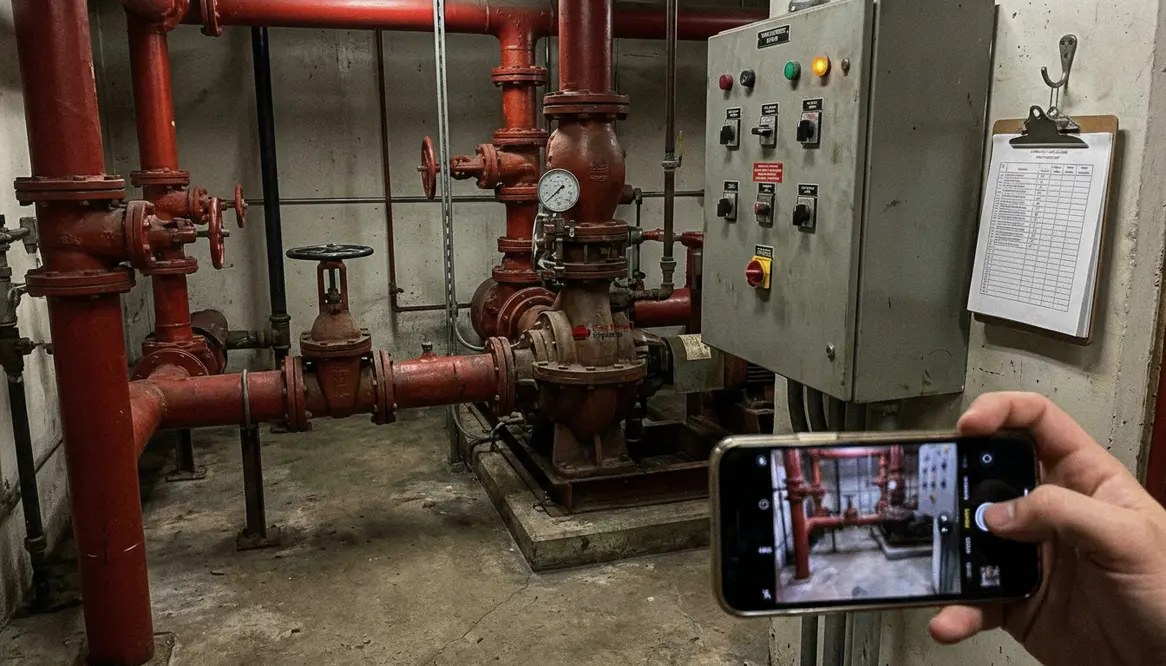
LPC Rules Sprinkler Pump Guide for Buildings
A practical walk-through for owners of towers, warehouses, and major properties who want fire protection that actually works when it counts.
Why this guide matters for building owners
If I own a commercial tower, a warehouse, or a major property, I do not get to treat fire protection like background music. I need systems that work when the heat shows up, and that is where the LPC Rules sprinkler pump comes in. These rules help me make sure the pump can support the sprinkler system with the right pressure and flow. In plain terms, they help keep a building ready for a fire event, not just decorated for one. And yes, that matters more than the coffee machine in the lobby, even if the coffee machine gets more attention.
In this guide, I will walk through what the rules mean, why they matter, how I check compliance, and how I keep my building ready for inspection without turning the process into a full time drama series.
Quick snapshot
- Use LPC Rules sprinkler guidance to match pumps to building risk.
- Check design, installation, and maintenance long before inspections.
- Avoid expensive redesigns by getting the first pump choice right.
- Treat the pump room as critical infrastructure, not storage.
What LPC Rules sprinkler pump guidance means for my building
The LPC Rules sprinkler pump guidance tells me how a pump should support a sprinkler system in a commercial or industrial building. I use it to make sure the pump can deliver water fast enough and at the right pressure when the system activates. That sounds simple, but the real value sits in the details.
First, the pump must match the building risk. A small office floor and a large distribution center do not play by the same rules. Second, the pump must work with the water supply, pipe layout, and sprinkler demand. If any one part falls short, the system may underperform when it matters most. That is not a fun surprise. Nobody wants a fire safety plan that behaves like a lazy extra in a disaster movie.
For building owners, the big takeaway is this: I cannot choose a pump based on guesswork. I need a design that follows the right LPC standards for my property type, use, and hazard level. When I treat the LPC Rules sprinkler guidance as a checklist instead of a suggestion, the whole system becomes more dependable.
How I check LPC compliance before problems start
System and demand checks
I start with the building use, fire load, and sprinkler layout. Then I review the pump duty point, water source, and any pressure losses across the system. If the pump cannot meet the demand at the sprinkler heads, I know I have a problem before an inspector or insurer points it out. That is the ideal time to act.
I also look at the pump room itself. Access, power supply, ventilation, frost protection, and test arrangements all matter. A good pump in a bad room still gives me a headache. So I treat the room as part of the whole system, not as an afterthought hiding next to a mop bucket.
My practical LPC checklist
- Confirm the building classification and fire risk
- Check pump duty and standby needs
- Review suction source and water supply reliability
- Inspect valves, gauges, and control panels
- Test pressure and flow under real conditions
- Keep records of every inspection and service visit
Also, I make sure I work with specialists who understand commercial fire pump systems, not general trades who only meet fire protection when the alarm sounds like a surprise guest star.
Why the right LPC pump design saves time and money
A proper pump design helps me avoid expensive changes later. If I install the wrong size pump, I may end up with poor coverage, wasteful power use, or a system that fails testing. Then I pay again to fix what should have been done right the first time. That kind of math belongs in a comedy, not in building management.
Good design also helps me with insurance and compliance. When my records show that the pump, controls, and water supply all support the sprinkler system correctly, I reduce risk and strengthen my position during reviews. In commercial and industrial buildings, that kind of proof has real value.
And because fire systems often sit quietly for long periods, I need a design that can stay ready without constant trouble. The best systems do not ask for attention every week. They simply wait, calm and steady, like the strong quiet type in the room. A well planned LPC Rules sprinkler pump setup gives me that kind of quiet confidence.
LPC Rules sprinkler pump maintenance for major properties
I do not stop at design. I keep the pump healthy through regular testing and planned maintenance. A fire pump that has not been checked may start acting like a machine with stage fright. It might still run, but I do not want to find out during an emergency.
My maintenance routine usually covers weekly visual checks, monthly operational tests, and periodic full performance testing. I look for leaks, unusual noise, pressure loss, vibration, and control faults. I also verify that batteries, starters, and power supplies stay in good shape. Furthermore, I keep every test logged so I can show a clear compliance trail.
For larger buildings, I also plan for coordination with other life safety systems. Sprinklers, pumps, alarms, and water storage need to work together. If one system falls behind, the whole chain weakens. That is why I treat fire protection like an orchestra, not a solo act.
Design focus
- Right pump size
- Correct water source
- Proper pressure
- Match to system, hazard, and LPC expectations
Maintenance focus
- Regular testing
- Clear, complete records
- Fast fault repair
- Reliable operation during real incidents
What I do when I need expert support
When I need expert help, I look for a partner who works with commercial and industrial facilities only, because those buildings bring serious demands. I want advice that fits major properties, not a one size fits all answer from someone who thinks a warehouse is just a bigger garage.
For deeper guidance, I would use a trusted fire protection resource like firepump compliance support for commercial buildings if I need a specialist view on LPC rules, pump performance, or system planning. That kind of support helps me make smart decisions faster and with less risk.
In the end, the right guidance keeps my building safer, my records cleaner, and my stress lower. And in property ownership, that is about as close to a standing ovation as it gets. When I understand how the LPC Rules sprinkler pump fits into the bigger protection strategy, every inspection becomes a lot less dramatic.
FAQ
My next move as a building owner
If I want my sprinkler system to do its job, I need the pump, the design, and the maintenance plan to work as one. So I should review my current setup, compare it with LPC expectations, and fix any weak points before they turn into costly trouble. If I manage a commercial or industrial building, now is the time to act. I can request a specialist review, improve my fire pump plan, and keep my property ready for the day it truly matters.