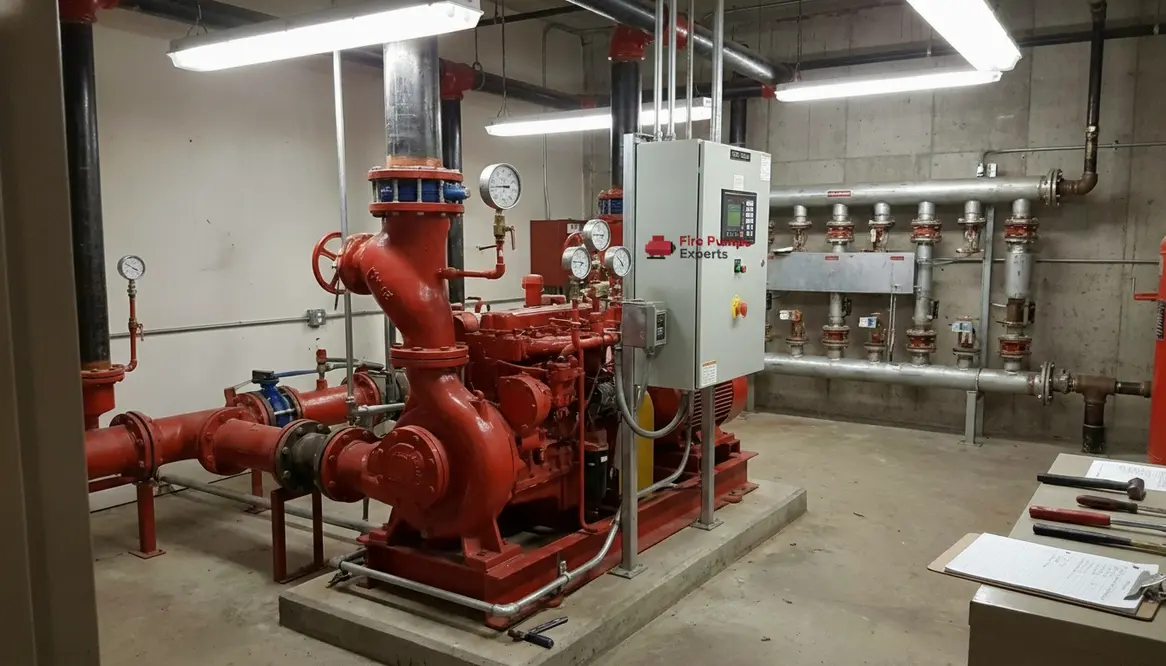
LPC Rules Fire Pump Requirements Explained
When I talk about LPC Rules fire pump requirements, I am talking about the standards that help commercial and industrial buildings stay protected when the water supply alone cannot do the job. In a big property, a weak pump can turn a small fire problem into a full blown headache. So, in the first 100 to 150 words, let me be clear: LPC Rules set out how fire pumps should be selected, installed, tested, and maintained so they can perform when the pressure drops and the stakes rise. That matters whether the building is a warehouse, a plant, a data center, or a major commercial site. The rest of this article breaks it down in plain language, with no smoke and mirrors, just the facts that help me, and you, make smart fire protection choices.
What LPC Rules fire pump requirements cover
At the core, LPC Rules fire pump requirements focus on one thing: making sure the sprinkler system gets enough water at the right pressure during a fire. I look at these rules as the playbook for keeping a building ready when the main supply falls short. They guide pump size, pump type, power source, installation layout, and testing.
For commercial and industrial facilities, this is not a side note. Large buildings often have long pipe runs, heavy water demand, and complex risk zones. Therefore, the pump must do more than run. It must deliver the right flow and pressure under stress, and it must do it reliably. That is the difference between a system that looks good on paper and one that actually works when life gets dramatic, like a bad season finale.
Quick view: what the rules really control
- Pump duty point: flow and pressure to satisfy the sprinkler design
- Acceptable pump types and drivers for the site’s risk profile
- Power reliability, including backup where required
- Room layout, clearances, and environmental protection
- Testing, maintenance routines, and record keeping
Handled properly, these LPC Rules requirements turn a basic pump into a dependable part of the overall fire strategy.
How I check fire pump sizing and water supply
Before I size a fire pump, I first look at the building demand. I review the sprinkler system design, the hazard level, the pipe friction loss, and the water source. Then I compare that need with what the supply can provide. If the source cannot meet demand, the fire pump steps in.
Here is the simple logic:
- The system needs enough flow for the fire risk
- The pump must support pressure loss across the full system
- The water supply must stay stable for the required duration
- The pump must match the site’s risk profile and building size
Also, I do not treat sizing like a rough guess. A pump that is too small will underperform. A pump that is too large can cause control issues and waste energy. So, the goal is balance. Think of it like choosing the right engine for a heavy truck, not a golf cart with ambition.
What LPC Rules fire pump requirements mean for installation
Installation matters just as much as pump selection. The pump room must allow safe access, proper ventilation, drainage, and enough space for maintenance. In addition, the pump needs a stable power source and the right suction conditions. If the suction line is poor, the pump can struggle, and nobody wants that kind of workplace drama.
In my experience, the best installations follow a clean, practical layout. The equipment sits where technicians can inspect it fast. The controls stay easy to reach. The piping supports the pump without strain. And the room stays protected from heat, flooding, and accidental damage. That keeps the system ready for real use, not just for inspection day theater.
For commercial and industrial fire pump compliance, I also pay close attention to the overall site design. A large facility may need redundancy, better access routes, and stronger safeguards around the pump area. That is especially true in places with critical production, storage, or business continuity needs.
Why testing and maintenance keep the system honest
A fire pump that never gets tested is like a superhero who only trains in the mirror. It may look fine, but nobody knows how it will perform under pressure. LPC Rules fire pump requirements place strong value on routine checks, flow testing, alarm checks, and maintenance records.
I always push for regular testing because small issues show up early when people inspect the system with care. For example, a valve may stick, a power issue may appear, or a pressure drop may reveal a hidden problem. If I catch that early, the fix is usually simple. If I ignore it, the repair bill tends to grow fangs.
Key maintenance focus points
- Weekly checks: Visual inspection, control settings, and signs of leaks
- Monthly checks: Start up review, pressure reading, and alarm confirmation
- Annual checks: Full performance testing, service review, and documentation
- After changes: Recheck the system after upgrades, repairs, or building layout changes
These steps help me keep the fire pump dependable. They also make audits smoother, which is always a nice bonus. Nobody wakes up thrilled for paperwork, but documentation can save a lot of trouble later.
How I apply LPC Rules in real commercial projects
When I work on a major property, I treat LPC Rules as a practical guide, not a pile of dusty pages no one reads until there is a problem. I use them to match the pump to the building risk, verify the water source, and confirm the system can do its job during an emergency.
In real projects, this means I ask a few key questions. Does the site have enough supply? Does the pump room support safe operation? Can the system handle the required fire load? Are the records current? If the answer to any of those is no, I know where to focus.
For property owners and facility managers, the value is clear. A compliant pump system supports business continuity, protects people, and reduces the chance of costly downtime. That is not just technical housekeeping. That is smart risk control with a very serious job.
If you want to explore structured technical guidance beyond LPC Rules requirements, resources such as https://www.firepumps.org can add helpful context around pump performance curves, drivers, and system integration.
Putting LPC Rules requirements to work
When LPC Rules requirements are applied with care, the result is a pump installation that fits the building instead of fighting it. The rules help shape realistic design pressures, sensible room layouts, and maintenance routines that teams can actually follow. Rather than being a box‑ticking exercise, they become a framework for decisions that stand up when a real emergency pushes the system to its limits.
FAQ
Conclusion
If I want a fire pump system that truly protects a large property, I do not treat LPC Rules as optional reading. I use them as the backbone of a safe design, solid installation, and reliable testing plan. So, if you manage a commercial or industrial facility, now is the time to review your system, verify compliance, and close any weak spots before trouble shows up uninvited. A well prepared pump room is peace of mind in steel and water.