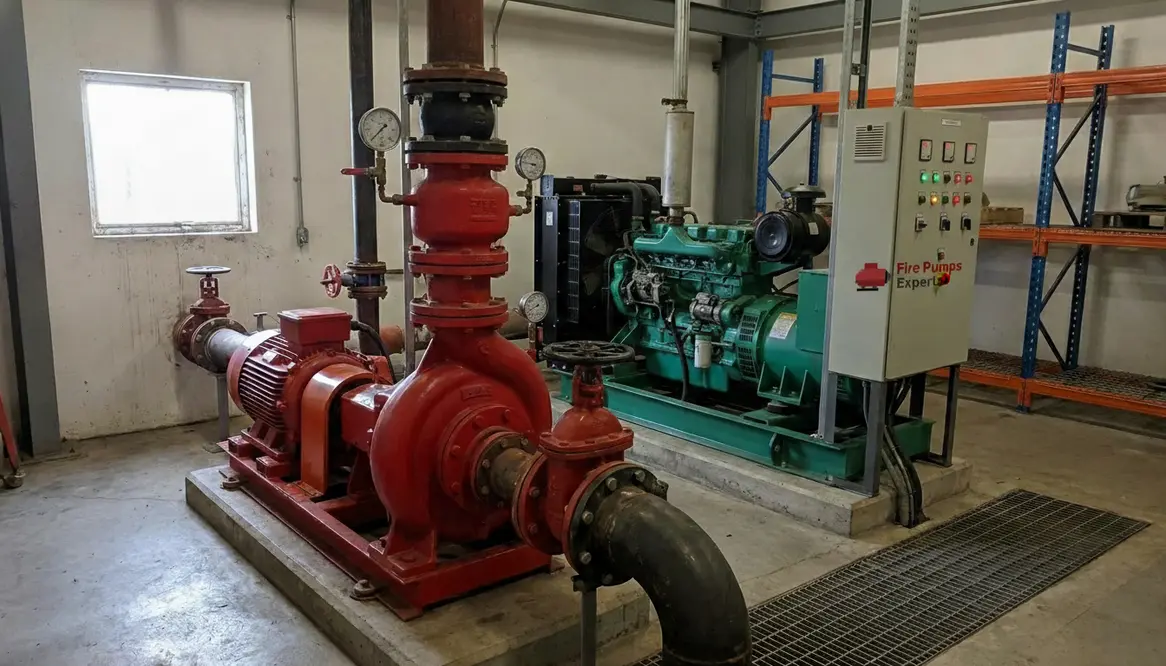
LPC Rules Fire Pump Design for Commercial Sites
How LPC Rules shape fire pump performance, reliability, and real-world readiness for commercial and industrial properties.
LPC Rules Fire Pump Design Considerations
When I look at LPC Rules fire pump design considerations, I see more than a box to check. I see the part of a fire protection system that has to wake up fast, run hard, and not get stage fright when the pressure drops. In commercial and industrial buildings, and in major property sites, the fire pump often becomes the quiet hero in the back room. It does the heavy lifting while the rest of the system gets the credit. And yes, like any good hero, it needs the right suit, the right prep, and a solid plan. That is where LPC Rules come in. They shape the design so the pump can support real risk, real demand, and real life when the stakes are high.
In this article, I will walk through the main design points I use when I review fire pump layouts for large facilities. I will keep it practical, direct, and grounded in what matters most for commercial and industrial properties. No fluff, no smoke and mirrors. Just the kind of guidance that helps a project move from “looks fine on paper” to “ready for the real world.”
The aim is simple: turn LPC Rules design requirements into a fire pump setup that works smoothly with the building, the people, and the risks on site.
What LPC Rules Mean For Fire Pump Design
LPC Rules set a clear path for how I size, place, and support a fire pump in a protected building. First, I start with the hazard level and the water demand. Then I match the pump to the expected flow and pressure needs. That sounds simple, but the details matter. A pump that is too small will fail under load, while one that is too large can create waste, stress, and poor system control. Nobody wants a fire pump that behaves like it drank three energy drinks and missed the memo.
Next, I check how the pump fits into the wider fire protection system. The water source must support it. The pipework must handle the flow. The power supply must stay stable. In large commercial and industrial sites, these parts often change from one project to the next, so I never assume the setup will “just work.” I verify it and keep the LPC Rules design intent firmly in view while I do.
How I Size And Place The Fire Pump
Sizing for real demand
Size is only half the story, but it is the first half I have to get right. I start with the required flow and pressure for the most demanding scenario the building may face. I match the pump curve to that need, making sure the pump can deliver at duty point without falling off a cliff as the system reacts.
With LPC Rules design, I avoid oversizing just “to be safe.” Too much capacity can over-pressurize parts of the system, stress fittings, and make control valves work harder than they should. The goal is not a gym-show-off pump. The goal is a disciplined workhorse.
Placement for access and resilience
Location matters just as much as capacity. I want the fire pump in a space that stays safe, dry, and easy to reach for service. If the room floods, gets too hot, or sits in a hard to access corner of the property, I already know problems will follow. Fast response starts with smart placement and clean routing of suction and discharge pipework.
I also look at the pump type, driver type, and how the system will start. For some facilities, a diesel driven pump gives useful backup. For others, an electric pump fits the site better. Either way, I check the full design chain. The pump must start when needed, keep pressure steady, and work with the rest of the equipment without drama. In this business, drama belongs in TV, not in the fire room.
Fire Pump Room Checks I Always Make
I treat the pump room like the control center it really is. The room must support operation, testing, and maintenance over time. Here is the simple split I use:
Design focus
- Enough space around the pump for access and repair
- Safe room temperature and ventilation
- Protected power or fuel supply
- Drainage that handles test water and leaks
Why it matters
- It helps the pump stay ready
- It makes regular testing easier
- It lowers the chance of shutdown during an emergency
- It supports long term system reliability
This part may not sound glamorous, but neither does a clogged drain until it becomes the problem everyone talks about on a Monday morning.
Dual Column Review Of Key LPC Rules Fire Pump Design Checks
Water supply
I confirm the source can deliver enough water at the right pressure. That includes checking tanks, town mains, suction conditions, and any transfer pumps that sit upstream of the fire pump. If the supply cannot meet the LPC Rules design assumptions, the whole strategy starts to wobble.
Pump performance
I verify the pump matches the required flow curve and pressure need. I look at duty point, churn pressure, and how the pump behaves across the operating range so it supports sprinklers, hydrants, or other systems without unpleasant surprises.
Power or driver
I confirm the electric or diesel setup has reliable backup support. Fuel storage, battery capacity, changeover arrangements, and cable routing all have to line up with LPC Rules fire pump design expectations so that a power blip does not become a full system failure.
System support
I make sure the pipe network, valves, and fittings can handle the demand. That means sensible velocities, correct materials, and isolation points that do not cripple the system during maintenance or an incident.
Emergency readiness
I check that the pump starts, runs, and stays dependable under fire conditions. Sequencing with jockey pumps, alarms, and signal paths all need to make sense so the system wakes up cleanly when it is needed most.
Maintenance access
I leave enough room and clear paths for testing and service. If a technician cannot reach valves, gauges, or strainers without gymnastics, the maintenance plan will slowly fall apart and the LPC Rules design benefits will fade with it.
Why Testing And Maintenance Decide Success
A design only proves itself during testing. That is why I never treat commissioning as a box ticking exercise. I want flow tests, pressure checks, start tests, and routine inspections to fit the site from day one. If the pump struggles during a test, I want to know now, not during an emergency when everyone is already having a bad day.
Maintenance also matters because systems age. Valves wear. Connections loosen. Fuel systems need care. Electrical parts need checks. So I build design choices that support long term service, not just first day approval. That approach saves time, reduces risk, and keeps the system aligned with LPC Rules over the full life of the building. A strong LPC Rules design is not just about the first inspection; it is about the fiftieth.
Keeping LPC Rules Design Practical For Commercial Sites
Designing for real buildings, not brochures
In commercial and industrial buildings, I focus on real site conditions. A warehouse may have different water demand than a high rise plant room. A manufacturing site may need stronger backup planning than a retail tower. So I avoid cookie cutter thinking. Instead, I look at occupancy, asset value, water supply risk, and the size of the protected area. Then I design from there, using LPC Rules design principles to keep everything consistent and justifiable.
Connecting guidance with the job in front of you
I also recommend reviewing trusted industry guidance early in the project. For more background on fire pump planning and protection for major properties, I suggest using fire pump design guidance for commercial facilities as a starting point for deeper research. It helps connect the code side with the real world side, which is where most of the useful work happens and where LPC Rules fire pump design choices prove their worth.
FAQs: LPC Rules Fire Pump Design For Commercial Sites
Conclusion
If I want a fire pump system to protect a major property well, I start with the LPC Rules and build from there. Good design depends on water supply, pump selection, room layout, power support, and testing. Taken together, those choices turn LPC Rules fire pump design guidance into real reliability on the ground.
In the end, reliable fire protection is not about luck. It is about careful planning and steady follow through. If you are working on a commercial or industrial project, now is the time to review your design, tighten the weak spots, and make sure the system is ready when it counts.