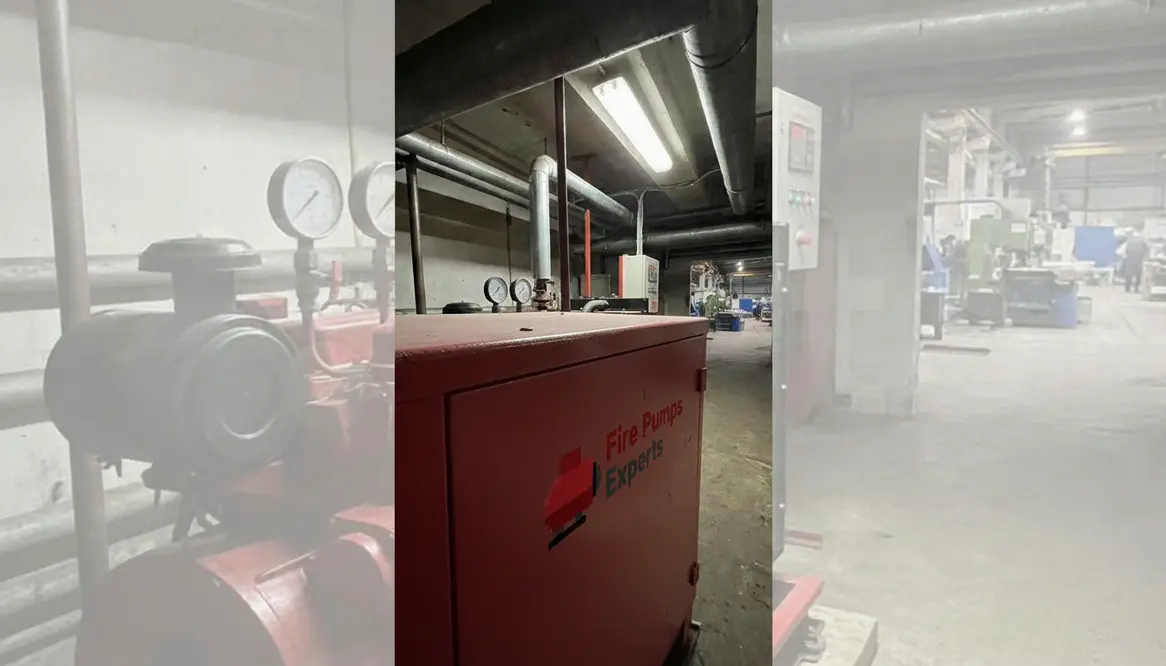
BS EN 12845 Manufacturing Fire Pump Guide
When I look at BS EN 12845 manufacturing, I see more than a rule book. I see the quiet backbone of fire protection for busy sites where heat, sparks, chemicals, and heavy machines all share the same stage. In a manufacturing plant, a fire pump is not decoration. It is the part that steps up when water pressure drops and the system needs a steady hand. And yes, that is the kind of job that sounds simple until the day it is not. So, in this guide, I will break down what the standard asks for, what it means in real life, and how I would approach it on a working site.
What BS EN 12845 Means for a Manufacturing Site
BS EN 12845 sets the fire sprinkler rules for commercial and industrial buildings across many parts of Europe and the UK. For manufacturing sites, it matters because these buildings often hold high fuel loads, moving equipment, and people who cannot afford delays when alarm bells start ringing.
In plain terms, the standard helps me make sure the sprinkler system gets enough water, at the right pressure, for the right amount of time. That sounds tidy on paper. In the real world, it means I must account for site size, hazard level, water supply, and how fast a fire could spread across production areas. A biscuit factory and a metalworks plant do not play by the same rules, and frankly, neither one wants a dramatic surprise.
The fire pump becomes essential when the supply from the main source cannot meet the demand on its own. That is why BS EN 12845 manufacturing sites often need careful design review before anyone starts buying equipment like it is a weekend shopping spree.
How I Choose the Right Fire Pump Capacity
I start with the hazard class, because that drives the flow rate and pressure target. Then I look at the sprinkler demand, the water tank size, the pipe layout, and any losses from long runs or high lifts. After that, I check how the pump performs under the worst case demand. In other words, I plan for the day the system has to earn its keep.
For manufacturing sites, I usually look at these core points:
Flow rate to match sprinkler demand across the protected area
Pressure to keep water reaching the sprinklers at the correct level
Run time so the pump can support the system for the required duration
Water source whether that comes from a tank, reservoir, or reliable supply
Duty and standby setup where the site risk justifies extra resilience
And yes, a pump that looks powerful on a brochure can still fail the job if the demand curve says otherwise. The numbers always get the last word. They are rude like that.
What I Check in the Pump Room and Water Supply
A fire pump only works well if the surrounding setup supports it. So, I never treat the pump room as an afterthought. I check access, ventilation, drainage, power supply, lighting, and protection from damage. If the room feels like a forgotten storage closet with hero dreams, that is a problem.
I also focus on the water supply because the pump can only boost what is actually there. If the tank sits too low, if the intake draws air, or if the supply line limits flow, the whole system suffers. That is why I prefer to review the supply path as one joined system, not a pile of separate parts. The pump, tank, valves, and controls must all work together, like a band that actually rehearsed before the gig.
For BS EN 12845 manufacturing sites, I pay close attention to reliability. If the plant runs hot processes, stores flammable goods, or operates around the clock, then the fire pump setup needs stronger protection and better testing discipline.
Key reliability checks
- Protected power and fuel arrangements
- Secure suction conditions and venting
- Environmental protection from flooding and frost
- Clear access for inspection and maintenance
How I Handle Testing, Maintenance, and Compliance
Compliance does not end when the system passes the first check. It lives in the routine. I always push for planned testing because pumps can lose performance quietly, and that is exactly the sort of surprise nobody wants at 2 a.m.
Typical fire pump testing rhythm
| Area | What I Check |
| Weekly | Visual checks, fault lights, fuel or power status, and obvious leaks |
| Monthly | Start sequence, pump run behaviour, alarms, and control panels |
| Annually | Full performance review, pressure testing, and system condition |
I also keep records clean and current. That helps me prove compliance, spot slow decline, and fix small issues before they become expensive ones. If a valve sticks or a controller acts moody, I would rather know during testing than during an actual fire. That is a much worse time to discover the system has a personality.
For deeper guidance, I often point people to industrial fire pump solutions for commercial and industrial facilities because a site with serious risk needs practical support, not guesswork.
Why BS EN 12845 Manufacturing Sites Need the Right Design Partner
Manufacturing sites are not one size fits all. A food plant, a plastics line, and a warehouse with production space each carry different fire risks. So, I look for a design partner who understands process layout, occupancy, and equipment risk before they touch the pump schedule.
The best results come when I match the fire strategy to the actual building use. That means I do not copy and paste a design from another site and hope for the best. Hope is not a fire protection plan. It is a nice feeling, but it does not move water.
Keeping design aligned with reality
If the site changes, the system may need review too. New machinery, storage changes, or layout shifts can all affect pump demand and sprinkler coverage. I treat those changes seriously, because a small plant update can create a big fire problem if no one updates the protection plan.
Where BS EN 12845 manufacturing really earns its keep
- Complex production lines with changing hazards
- Sites expanding in phases over several years
- Plants storing or processing flammable liquids
- Facilities running 24/7 with limited shutdown windows
In those cases, the discipline behind BS EN 12845 manufacturing, combined with a design partner who understands both paperwork and plant reality, becomes the difference between a system that just ticks boxes and one that actually performs during a hard day at work.
FAQ
Conclusion
Final thought: If you run a manufacturing site, do not leave fire protection to chance. I would review the hazard, the water supply, and the pump setup now, before a problem forces the issue. Reach out to a specialist who understands commercial and industrial facilities, and make sure your fire pump system matches the real risk on your site. A calm plan today can prevent a very loud disaster tomorrow. In the end, BS EN 12845 manufacturing is only as strong as the people who apply it honestly, test it routinely, and respect the fact that fires do not care how busy production is when they start.