BS EN 12845 Fire Pump Tank Requirements Guide
A practical look at how a BS EN 12845 tank shapes sprinkler reliability, performance, and long-term safety on real sites.
BS EN 12845 Fire Pump Tank Requirements Explained
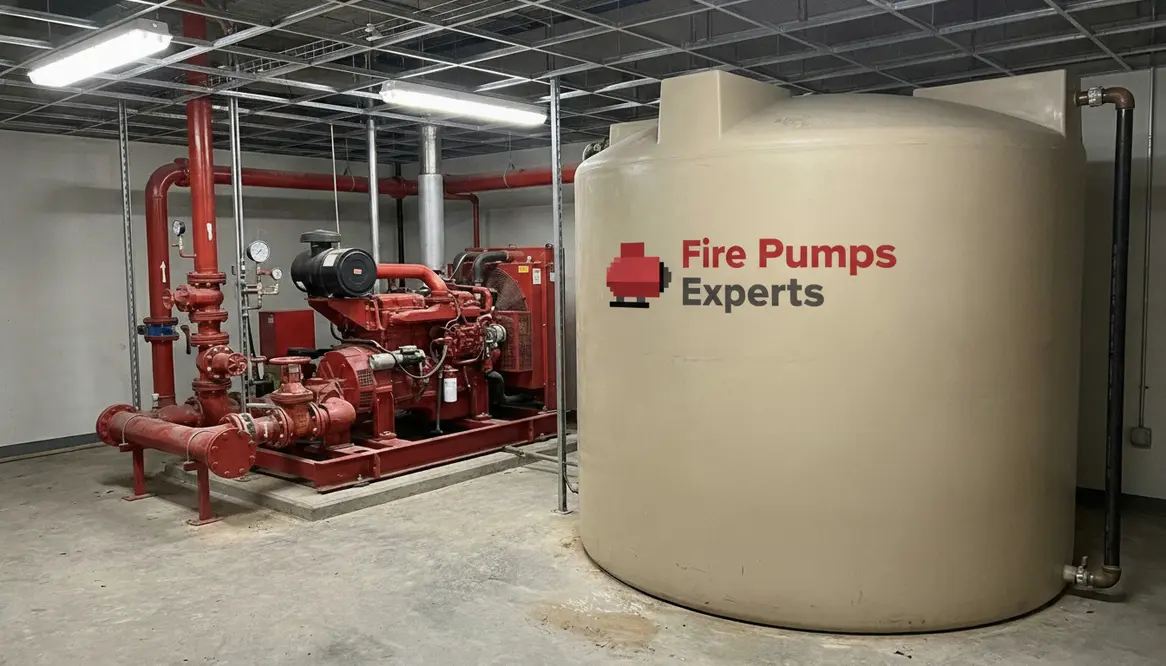
When I talk about fire protection for commercial and industrial sites, the BS EN 12845 tank sits right at the heart of the system. It is not just a water box with a serious job title. It is the reserve that keeps the fire pump fed when the heat is on and the pressure must not fall apart like a bad sequel. For large property buildings, warehouses, factories, data centres, and other major sites, the tank must hold enough water, stay reliable, and meet the standard with care. I will walk through the key rules, the common traps, and what good practice looks like in real life.
What BS EN 12845 Means for Water Supply Design
BS EN 12845 sets the rules for automatic sprinkler systems across commercial and industrial buildings. In simple terms, it tells me how much water I need, how long I need it, and how I must keep that supply ready. The tank supports the fire pump, so the system can deliver a steady flow during an emergency. That means I cannot treat tank size, layout, or refill speed as guesswork.
First, I check the hazard level of the site. Then I match the water demand to the expected sprinkler design and duration. As a result, the tank becomes a planned asset, not a random container parked in the corner like an extra prop from a warehouse drama. The standard also expects dependable supply arrangements, so I look closely at how the tank connects to the pump and where the water comes from.
Why the BS EN 12845 tank is central
On paper, the standard talks about flow rates, design areas, and duration. On site, all of that turns into one core question: can the BS EN 12845 tank keep the pump supplied for as long as the sprinklers are expected to run? If the answer is even slightly uncertain, the design needs more work.
That is why I treat the tank as part of the hydraulic design, not a bolt-on accessory. Its capacity, outlet height, suction connection, and refill plan must all support the pump curve and the sprinkler layout. When those line up, the system behaves predictably when it matters most.
BS EN 12845 Tank Size, Capacity, and Location
The tank must store enough water for the full sprinkler demand period set by the design. In many commercial and industrial settings, that means a substantial volume. Therefore, I always confirm the required storage before anyone orders equipment or pours concrete. A smaller tank may save space today, but it can fail the design tomorrow, and that is a very expensive way to learn a lesson.
Location matters just as much. I prefer a place that allows easy access for inspection, safe maintenance, and proper fire pump suction. Also, the tank should sit where damage risk stays low and where the structure can support the load when full. If the site uses multiple tanks or a combined supply, I make sure the arrangement still protects the required water reserve.
In practice, I look at two things side by side:
Capacity checks
- Required sprinkler duration
- Fire pump demand rate
- Allowance for dead water
- Refill strategy
Site checks
- Ground support
- Access for maintenance
- Protection from impact
- Distance to pump set
- Weather and freezing risk
When all of these items are checked early, the BS EN 12845 tank stops being a future headache and becomes part of the site’s long-term resilience plan.
How I Check Construction, Inlets, and Outlet Details
A proper tank needs more than volume. It also needs the right build quality. I check that the tank uses suitable materials for the site, resists corrosion, and stays sealed under normal and emergency use. A good tank should not leak, warp, or invite trouble from the first cold snap. That would be a plot twist nobody asked for.
Next, I review the inlet and outlet arrangement. The inlet must refill the tank in a controlled way, while the outlet must support the fire pump without air problems or flow loss. I also look for correct valve placement, safe isolation for maintenance, and clear level control. Moreover, the arrangement should let staff inspect the tank without shutting down the whole building plan.
Water quality also matters. If sediment builds up, the tank can suffer, and the fire pump may pull in debris. Therefore, I keep a close eye on cleaning access, internal condition, and any sign of contamination. Good design today prevents a costly rescue mission later.
Making the BS EN 12845 tank inspection-friendly
Inspection is easier when access is built into the design. I favour manways that can actually be used, platforms that do not require a climbing hobby, and clear routes to valves and level controls. When people can reach the equipment safely, they are more likely to keep the BS EN 12845 tank in the condition the standard expects.
Maintenance and Inspection for Reliable Fire Protection
Even a well sized tank can fail if nobody looks after it. So, I treat inspection as part of the protection system, not an admin chore. I check water level, valve position, structural condition, signs of rust, and any damage around the tank base. In addition, I make sure the pump suction remains clear and ready.
Regular testing matters too. The system should prove that it can deliver the needed water under working conditions. That means I do not just admire the tank and hope for the best. Hope is lovely at weddings; in fire protection, it needs a backup plan. I also keep records of inspection dates, faults, repairs, and test results so the building team can track trends and act early.
For commercial and industrial facilities, this discipline protects operations, assets, and life safety. It also helps reduce downtime, which business owners tend to enjoy more than surprise maintenance bills.
Simple maintenance habits that keep tanks ready
- Walk-by checks for leaks, noise, or obvious damage
- Routine level checks against expected set points
- Scheduled internal inspections for corrosion and sediment
- Test runs so the pump and tank work together as intended
FAQ
Below are quick answers to some of the questions I am asked most often about designing and maintaining a BS EN 12845 tank and its supporting system.
Get the Tank Right Before the Fire Alarm Ever Sounds
If you manage a factory, warehouse, data centre, or other major property, I strongly suggest you treat water storage as a core safety decision. A compliant system starts with the right design, the right capacity, and the right maintenance plan. If you want expert support for commercial and industrial fire protection, I encourage you to speak with a specialist who understands BS EN 12845 inside out. The best time to get it right is now, while the building is still quiet and the pumps are still sleeping.
For more technical guidance, example layouts, and design notes on fire pumps and storage, a useful starting point is https://firepumps.org, which offers additional context that can help you brief your designer or review existing installations.