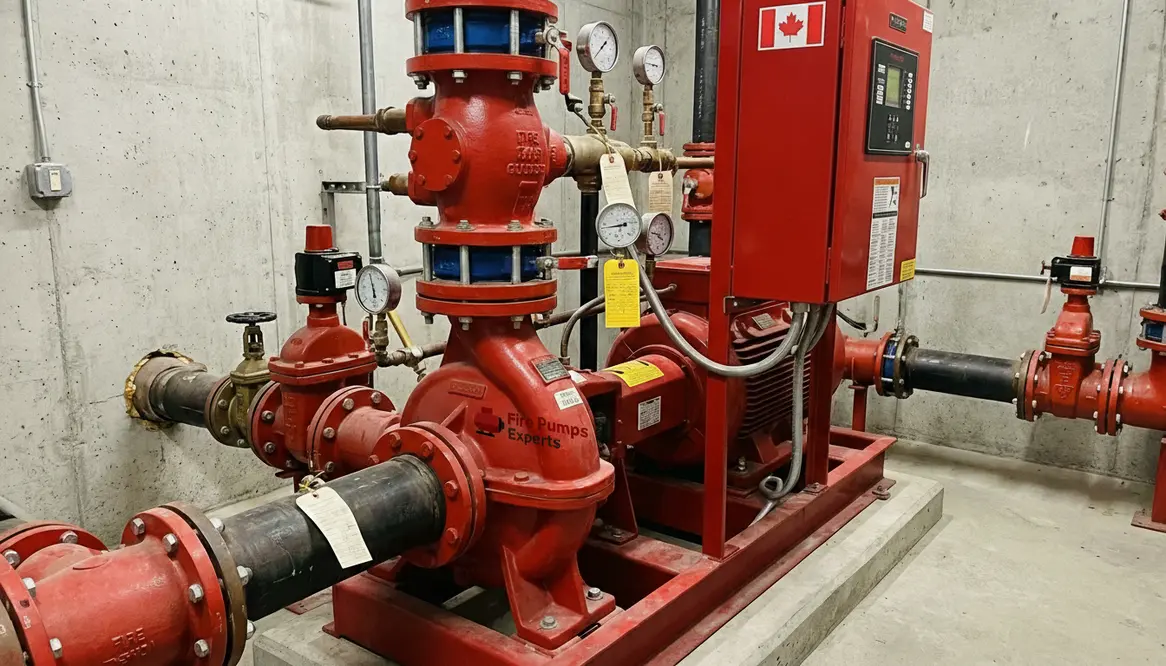
Canadian Fire Pump Requirements for Commercial Buildings
Canadian Fire Pump Requirements for Commercial Buildings may sound like the kind of topic that only wakes up engineers and code inspectors, but I promise it matters to anyone responsible for a large property. I work through this subject with one clear goal: to help commercial and industrial facility owners understand what a fire pump does, when it is required, and how to keep a building ready when the pressure drops and the stakes rise. In a Canadian commercial setting, that little machine can be the difference between a controlled emergency and a very bad day.
What I mean by a fire pump in a Canadian commercial building
In simple terms, a fire pump boosts water pressure for a sprinkler or standpipe system when the normal supply cannot do the job. I see this most often in large commercial buildings, industrial sites, and major properties where water pressure must stay strong across long pipe runs, tall floors, or dense hazard areas. Without enough pressure, the system may look fine on paper, yet fail when it matters. That is not a plot twist anyone wants.
Canadian code and local fire rules guide when a pump is needed, and the building design usually tells the story. If the water source cannot deliver the needed pressure and flow, then a pump often becomes part of the life safety plan. In practice, I treat it as an essential support system, not a backup toy hidden in a basement.
When a fire pump is required for commercial properties
I look at several factors before I decide whether a pump is needed. First, the building height matters. Taller buildings often lose pressure as water travels upward, so a pump helps keep the upper levels protected. Second, the size of the site matters. Large campuses and industrial facilities may have long pipe networks that drain pressure fast, like a phone battery at 2 percent during a Marvel finale.
Water supply also plays a major role. If the municipal supply cannot meet the design demand, a pump may be required. In some cases, the system needs extra pressure because the building has special hazards, high hose demand, or a layout that pushes the plumbing to its limit. I always say the code does not guess, and neither should we.
For commercial and industrial buildings, fire pump planning should start early in design. That way, I can compare the water supply, sprinkler demand, standpipe needs, and the pressure loss across the system before anyone pours concrete and acts surprised later.
Canadian commercial fire pump setup that meets code
Here is where the details matter. A proper setup must match the building demand, and it must also fit the code, the site, and the water source. I focus on three core parts:
Water source
The pump must draw from a supply that can feed the system. If the source is weak, the rest of the setup struggles.
Pump capacity
The pump must provide the required flow and pressure for the commercial fire protection system. Too small, and it fails the job. Too large, and it can create other problems. Bigger is not always better. Ask any superhero sequel.
Controller and power
The pump needs reliable power and a controller that can start the unit when needed. In many commercial buildings, I also look at backup power planning so the system stays ready during an outage.
Canadian commercial fire pumps usually need proper room layout, access, drainage, heat protection, and routine testing space. I like to think of the pump room as a quiet guardian with a very serious job, and it needs room to breathe.
How I check fire pump compliance in a commercial building
I never treat compliance as a one time checklist. Instead, I look at the full system from design to testing. First, I review the building documents and compare them to the actual installed equipment. Then I check whether the pump matches the sprinkler and standpipe demand. After that, I look at suction conditions, discharge pressure, and the controller function.
Regular testing matters just as much as installation. A fire pump can sit there looking confident, like it owns the place, but testing proves whether it can actually perform. I also check alarms, power supply, valves, and maintenance records. If any of those parts slip, the whole system can suffer.
Quick comparison for commercial and industrial facilities
| Area I review | What I look for |
| Water supply | Enough pressure and flow for the system |
| Pump sizing | Matches building demand and hazard level |
| Controller | Reliable automatic start and status signals |
| Testing | Regular performance checks and records |
| Installation space | Access, drainage, heat, and safe operation |
Why maintenance matters more than people think
A lot of owners assume that once a pump is installed, the work is done. That is where trouble likes to sneak in. Fire pumps need regular inspection, testing, and upkeep to stay ready for the long haul. I check for wear, leaks, vibration, power issues, and valve problems because small issues can grow into expensive failures.
For Canadian commercial properties, maintenance also helps prove the system stays within code expectations. That protects the building, the people inside it, and the owner from avoidable risk. It also keeps surprises to a minimum, which is nice, because nobody enjoys discovering a dead pump during an emergency. That kind of surprise belongs in a bad sitcom, not a life safety system.
If you want deeper technical guidance on testing standards, sample procedures, and record-keeping approaches for your fire pump program, you can review the resources and articles available at https://firepumps.org.
FAQ for Canadian commercial fire pump planning
Get your Canadian commercial fire pump plan right
If you manage a commercial building or industrial facility, I recommend treating fire pump planning as a core safety step, not a side note. The right pump setup can protect your people, your property, and your operation when pressure matters most. So, if you want your system checked, sized, or reviewed for compliance, now is the time to act. A smart fire pump plan today can save you from a very costly headache tomorrow.
Across any Canadian commercial portfolio, consistent design, testing, and maintenance standards keep decisions clear and performance predictable. When the water supply stumbles or pressure starts to fall, you will be glad your fire pump and its support systems were treated as essential, not optional.